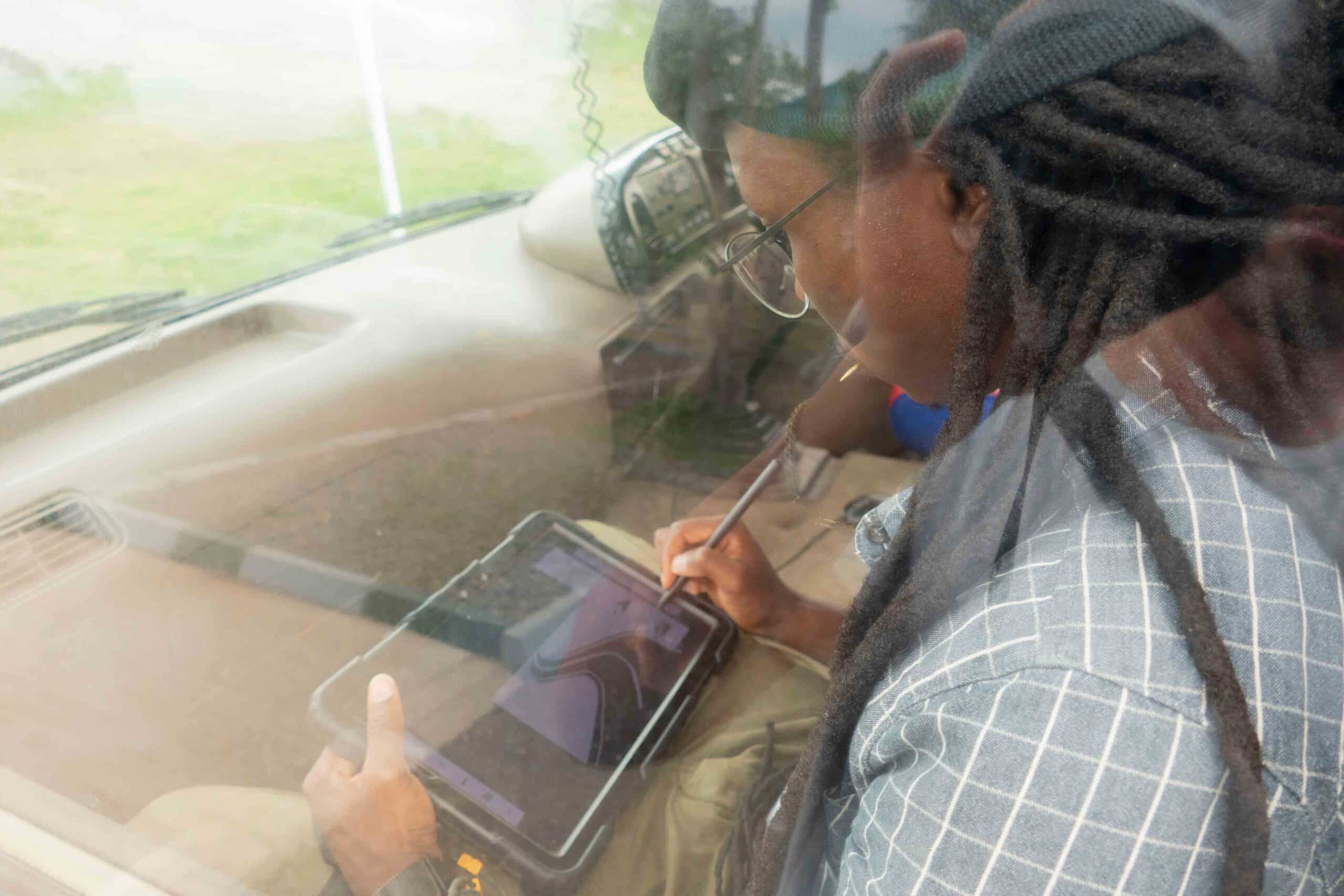
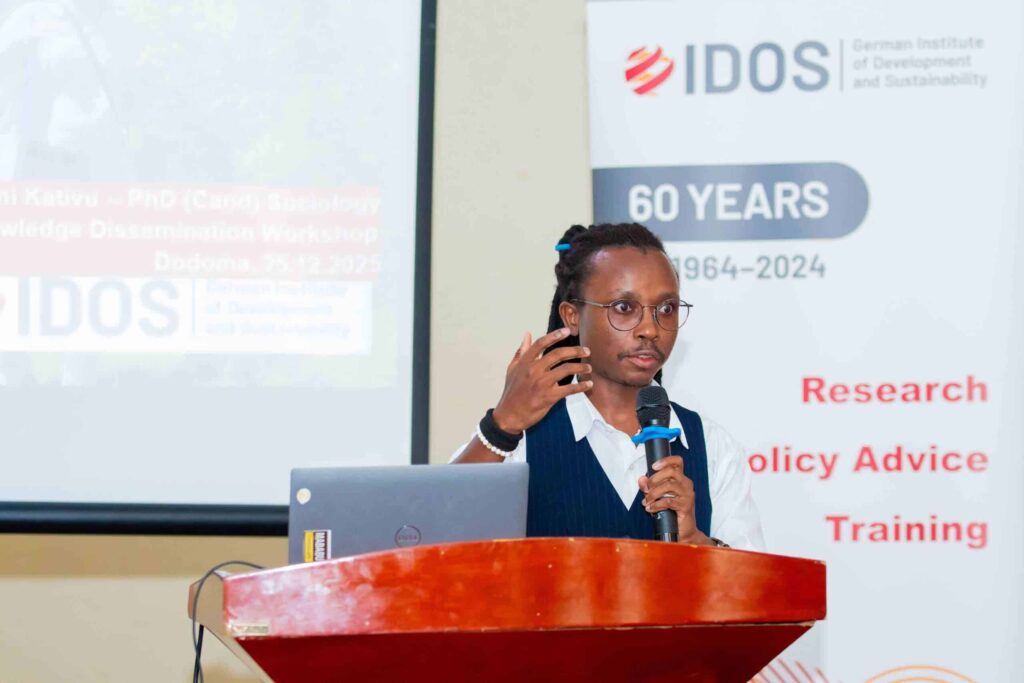
In this paper, Saymore Ngonidzashe Kativu (Project B05 “Science Futures”) offers a reflective, autoethnographic account of what it is like to be an Early Career Researcher (ECR) working in international research collaborations focused on Africa. He examines how unequal power relations, funding systems, academic norms, and fieldwork experiences shape ECRs’ identities, sense of belonging, and ability to contribute to knowledge production. He argues that ECRs often occupy an in-between position—”not Western enough, but not Southern enough”—which creates unique challenges but also reveals deeper inequalities in global scientific collaborations.
Scholarly Becoming, Politics and Precarious Positionalities of Early Career Research(ers) in Global-Africa Scientific Knowledge Production Assemblages: Autocritical Questions and Decolonial Reflections
By Saymore Ngonidzashe Kativu
Abstract
This paper offers an auto-critical reflection on the micropolitics and precarious positionalities of Early Career Researchers (ECRs) within global-Africa scientific knowledge production assemblages. Drawing from my doctoral research in a German Collaborative Research Centre, I interrogate the entangled conditions shaping how ECRs navigate epistemological authority, legitimacy, and belonging in international scientific collaborations. Written as an autoethnography, I foreground the embodied, affective, and ethical struggles of negotiating scholarly identity across asymmetrical geographies of knowledge. I anchor on five interrelated hard labors defining the ECR experience: the onto-epistemological, macro-meso-micropolitical, identity, affective, and collaborative labors – demonstrating how they surface in academic spaces, supervisory relationships, funding architectures, disciplinary canons and in fieldwork encounters, where participants question the extractive nature of ethnography and invoke the reciprocal ethics of Ubuntu. Consequently, I highlight ECRs as occupying precarious positions predominantly ‘not Western enough, but not Southern enough’– cultivating (dis)integrative encounters with an ontology that considers itself globalized. I argue these struggles are central to the politics of knowledge production in global-Africa assemblages (meaning those transnational scientific assemblages linking African field sites and sometimes African born ECRs, international universities, funding infrastructures, and globally circulating epistemologies) and bear significant consequences on science futures. Conclusively I call for attention to epistemic care, reciprocity, and reflexivity required to de-Westernize science-making; towards reimagined research futures where the scholarly worlds are more accountable to community worlds where our empirics are obtained.
Reference
Kativu, S., N. 2026. Scholarly becoming, politics and precarious positionalities of Early Career Research(ers) in global-Africa scientific knowledge production assemblages: Autocritical questions and decolonial reflections, Social Sciences & Humanities Open, Volume 13, 2026, DOI