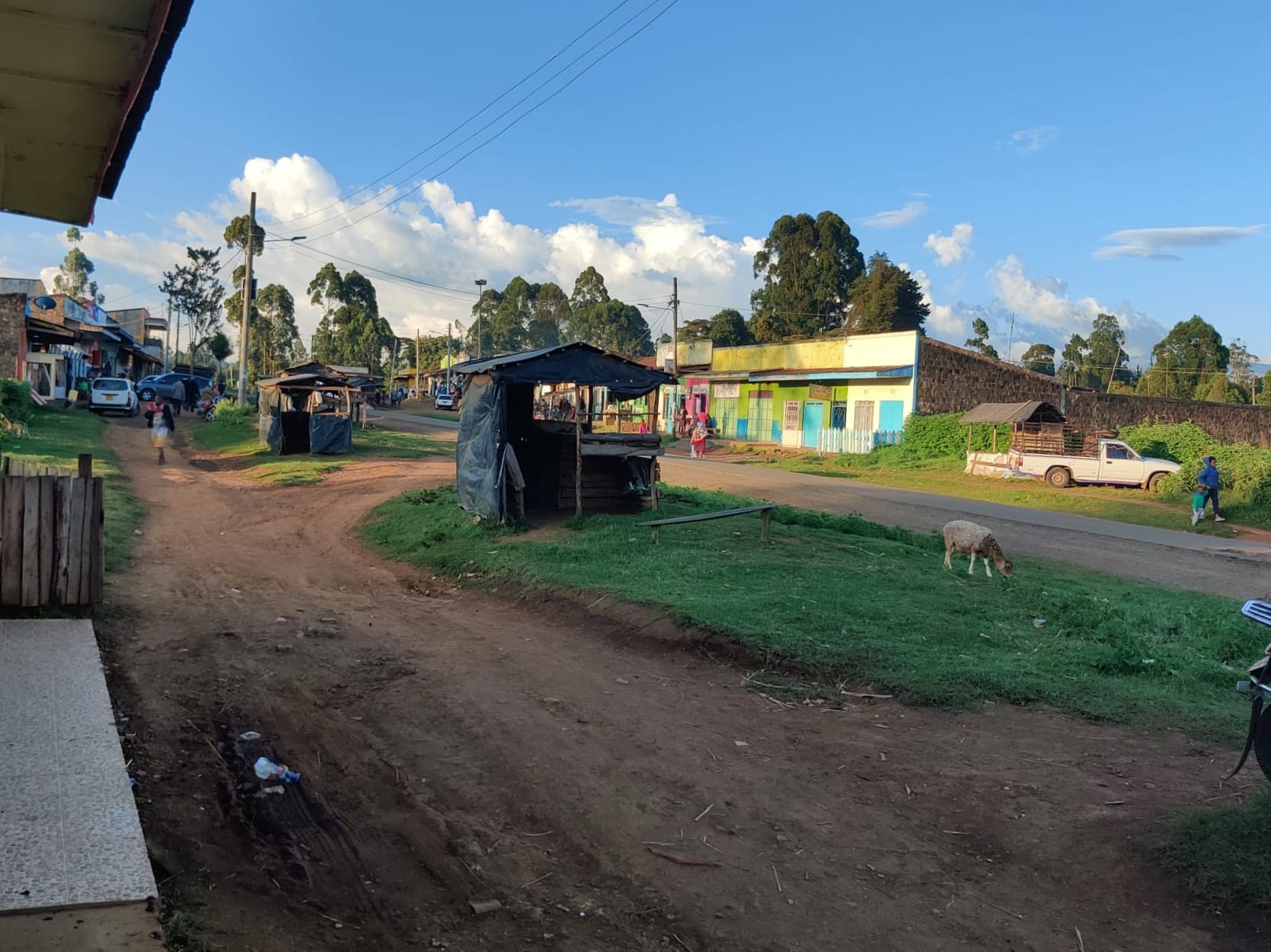
This study, conducted by scientists from the University of Namibia in cooperation with researchers of our sub-project B02 “Future Infections”, investigates overlooked causes of febrile illness in Namibia’s Zambezi Region, where malaria remains an important concern but does not explain all cases of fever. By screening blood samples for several vector-borne pathogens, the authors found evidence of previous exposure to Rift Valley fever virus and spotted fever group Rickettsia. The findings highlight the need for improved diagnosis and integrated One Health surveillance to better understand and prevent emerging zoonotic infections.
Evidence of exposure to Rift Valley fever virus and spotted fever group Rickettsia among patients presented for malaria screening in the Zambezi region, Namibia (2017)
By Oscar Madzingira, Leo Tileni Lucas, Vonai Charamba, Elfriede Hoebes, Ophelia Chuma Matomola, Lydia Eloff, Hannah Munzel, Davis Ropafadzo Mumbengegwi, Simbarashe Chitanga & Sandra Junglen
Abstract
Background
There is increasing recognition of the importance of vector-borne pathogens as causes of febrile illness, yet they remain underdiagnosed in Namibia. The decline in the malaria burden while prevalence of febrile illness remains in Namibia, has highlighted the need to investigate alternative causes of this syndrome. Therefore, our study investigated exposure to selected vector-borne causes of zoonotic febrile illness among individuals presenting for malaria screening in the Zambezi Region of Namibia.
Methods
A retrospective cross-sectional study was conducted using 1094 dried blood spot samples collected between January and December 2017 from individuals presenting for malaria screening across 11 health facility catchment areas in the malaria-endemic Zambezi Region of Namibia. Sera eluted from dried blood spots were tested using commercial ELISA assays to detect antibodies against Rift Valley fever virus (RVFV), Crimean – Congo haemorrhagic fever virus (CCHFV), West Nile virus (WNV), and spotted fever group (SFG) Rickettsia. Apparent and true seroprevalence estimates were calculated, and binomial Firth penalized logistic regression was used to assess associations between seropositivity and demographic, behavioural, and clinical variables.
Results
Out of 1094 participants, 3.66% (40/1094) were exposed to RVFV corresponding to a true prevalence of 3.56–3.66% (95% CI: 2.51–4.98%). The seroprevalence of SFG Rickettsia was 0.18% (2/1094, 95% CI: 0.05–0.66%). There was no evidence of exposure of the patients to CCHF and WNV. Furthermore, from logistic regression analysis, there were no statistically significant associations between exposure to RVFV and SFG Rickettsia with demographic, behavioral and clinical predictors. Ten individuals tested positive concurrently for RVFV and malaria.
Conclusion
These findings provide evidence of exposure of the human population in the Zambezi region to RVFV and SFG Rickettsia spp. This calls for the strengthening of diagnostic approaches and implementation of One Health surveillance that incorporates human, animal, vector, and environmental monitoring to facilitate early detection and prevention of these infections.
Reference
Madzingira, O., Lucas, L.T., Charamba, Hoebes, E., Matomola, O.C., Eloff, L., Munzel, H., Mumbengegwi, D.R., Simbarashe, C., Junglen, S. 2026. Evidence of exposure to Rift Valley fever virus and spotted fever group Rickettsia among patients presented for malaria screening in the Zambezi region, Namibia (2017). BMC Infect Dis (2026). DOI