CRC TRR 228 Project B02

Future Infections

Linking social-ecological transformations, land surface changes and arthropod-borne infections

B02 Future Infections

Vision

To advance our understanding of climate and land-cover/use impacts on mosquito-borne diseases in Africa for predicting outbreaks and protecting vulnerable communities through innovative research.

Project Summary

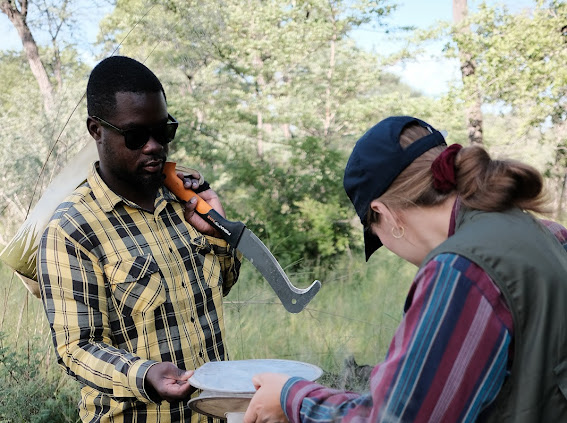
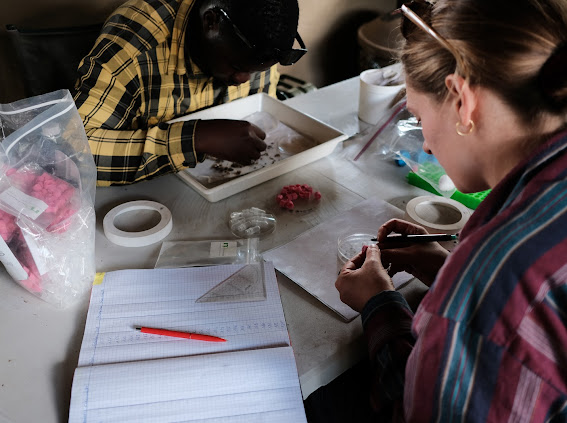
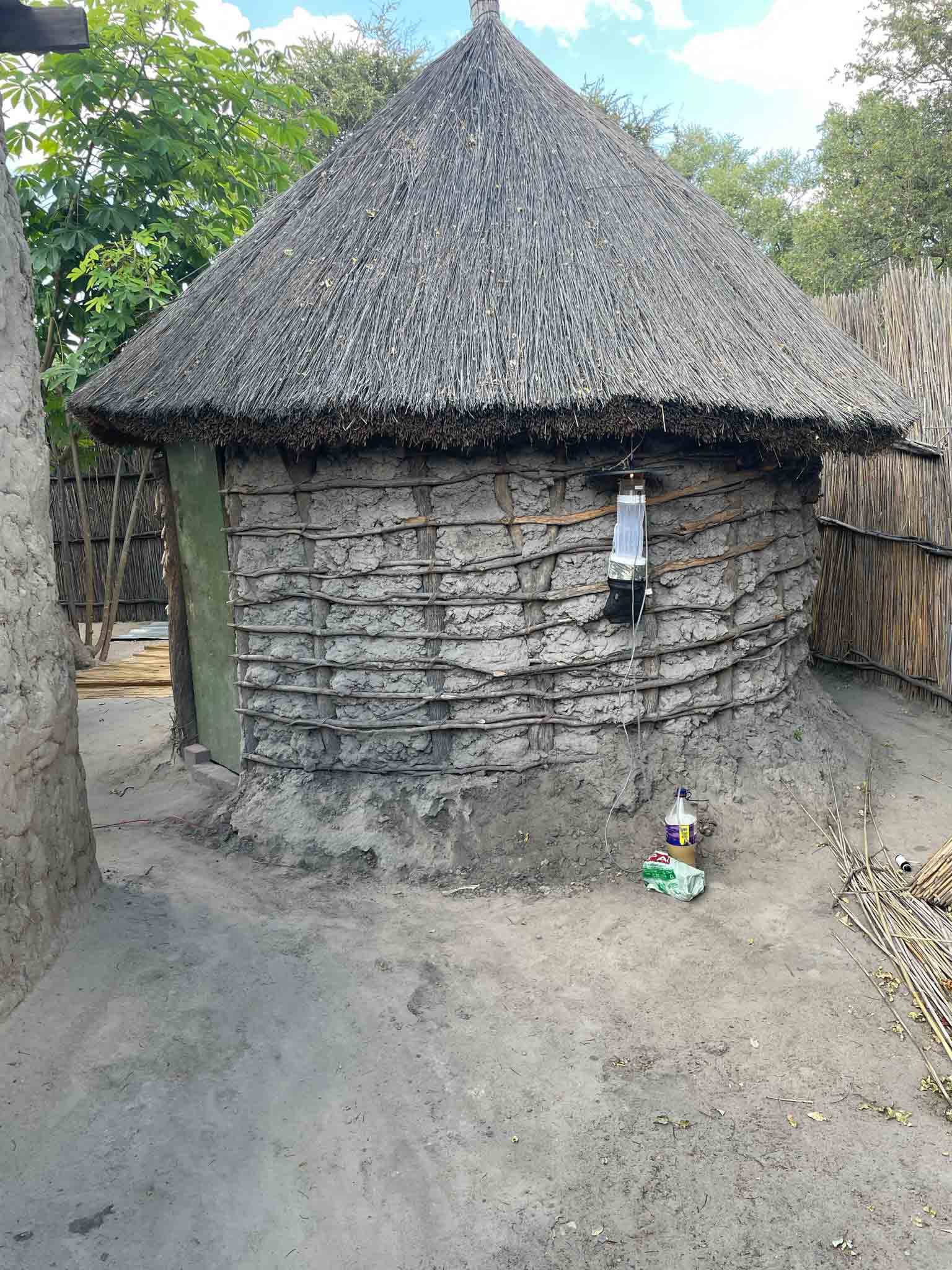
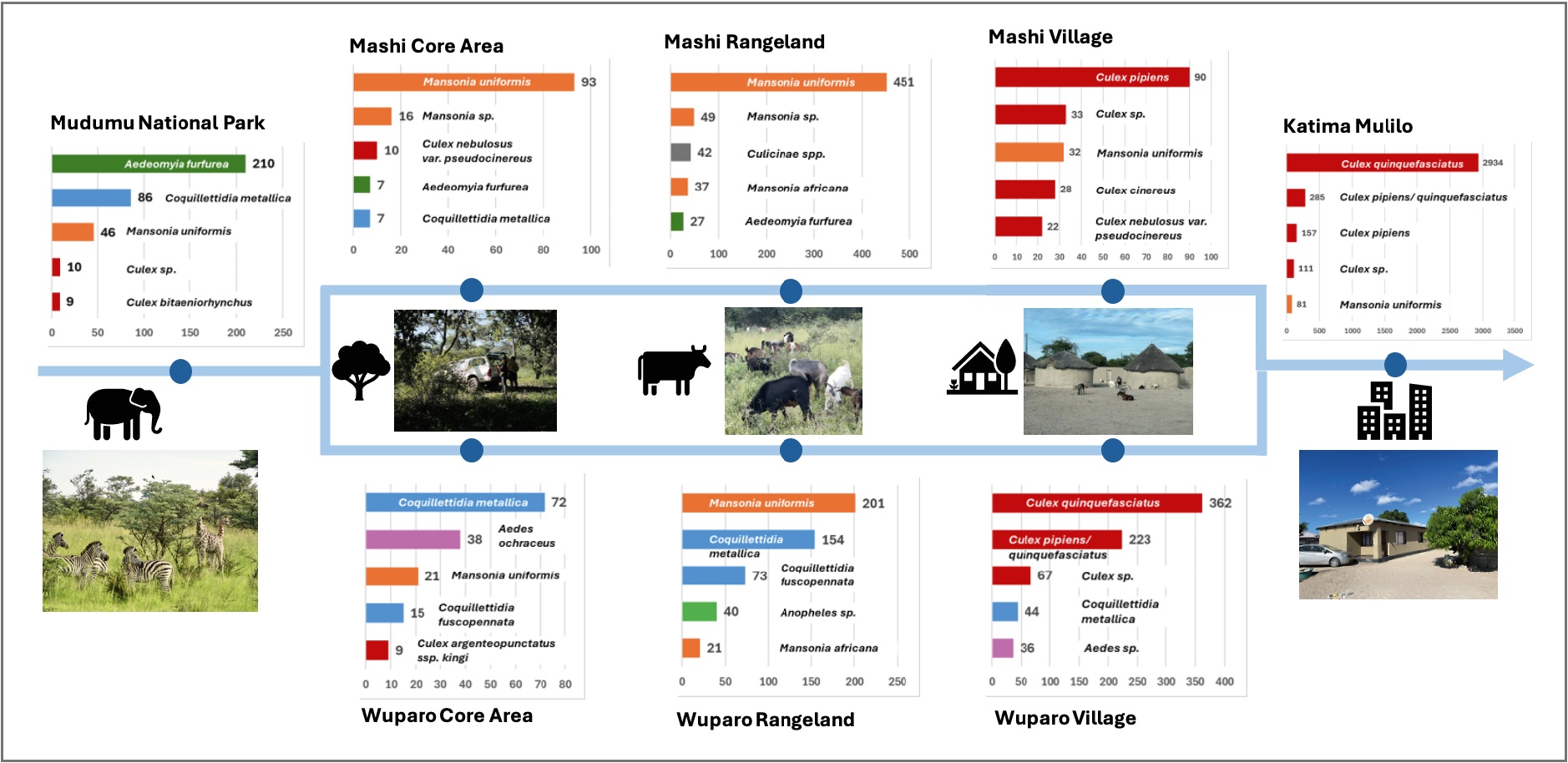
The spread of infectious mosquito-borne diseases, significantly impacting human well-being and futures, is driven by landcover and land-use changes, including shifts in livestock and human densities, along with socio-ecological transformations. Additionally, climate change, specifically rising temperatures, shifting rainfall patterns, and extreme weather events like floods, alter vegetation growth and its spatial distribution and affect human and livestock health by increasing mosquito populations and consequently increasing risks of disease outbreaks. Agricultural changes, including irrigation, intensification, and invasive weeds, further heighten these risks. In the previous phase, we observed a shift in mosquito communities between conserved landscapes and human settlements. In the Kavango- Zambezi Transfrontier Conservation Area (KAZA), mosquitoes fed on wildlife in conserved areas but switched to humans and livestock in rangelands, where pathogen-transmitting species were more abundant. Mosquito diversity declined with wildlife refaunation, resembling that found near human settlements, particularly in high-elephant-density areas, highlighting the need for balanced ecosystem restoration. We detected arboviruses like West Nile virus (WNV), Bagaza virus, and Rift Valley Fever virus (RVFV) in livestock in Namibia and Kenya, indicating human exposure. However, agro-pastoralist communities in the Kenyan Rift Valley (KRV) lacked arboviral knowledge. Additionally, invasive alien plants (IAPs) like Parthenium and Prosopis enhanced mosquito survival, with Parthenium DNA found in plant-sugarfed mosquitoes. These factors – shifting mosquito communities, arbovirus circulation, and expansion of IAPs – suggest rising human infection risks in changing landscapes. In the next funding phase, we will examine the impacts of urbanization, IAPs, and climate change on mosquito-borne diseases in KAZA and KRV by using and developing advanced remote sensing (RS) techniques. Combining RS and land surface modelling, we will assess how droughts, heat waves, and floods interact with IAPs to influence mosquito communities and their disease transmission. Understanding risk factors and human exposure to arboviruses is crucial, particularly through socio-anthropological studies. Rainfall intensity, open-water longevity, air temperature and humidity are key factors in mosquito breeding and disease spread. Using modelling, we will simulate changes in mosquito abundance and arboviral prevalence under different climate and land-cover scenarios, including dynamics in dominant plant functional types. To analyse disease-spreading insect distribution, we will map vegetated habitats in drought- and flood-prone areas, focusing on invasive plant-driven landcover changes. Spaceborne and drone-based RS will be employed to evaluate the role of IAPs, particularly Parthenium hysterophorus, in future disease prevalence. These insights will enable us to better predict outbreaks of mosquito-borne viruses, allowing key stakeholders in the KAZA and KRV to take preventive future actions.

Research Regions: KAZA TFCA, Kenyan Rift Valley

The spread of infectious mosquito-borne diseases, significantly impacting human well-being and futures, is driven by land-cover and land-use changes, including shifts in livestock and human densities, along with socio-ecological transformations. Additionally, climate change, specifically rising temperatures, shifting rainfall patterns, and extreme weather events like floods, alter vegetation growth and its spatial distribution and affect human and livestock health by increasing mosquito populations and consequently increasing risks of disease outbreaks. Agricultural changes, including irrigation, intensification, and invasive weeds, further heighten these risks. In the 3rd phase, we will examine the impacts of urbanization, invasive alien plants, and climate change on mosquito-borne diseases in the Ka­vango Zambezi Transfrontier Conser­vation Area (KAZA) and Kenyan Rift Valley (KRV) by using and developing advanced remote sensing (RS) techniques.


  • How do urbanization, invasive plants, and climate change impact mosquito-borne diseases in KAZA and KRV?
  • How do droughts, heat waves, and floods affect invasive plants mosquito communities and disease transmission?
  • Can modeling of mosquito abundance and arboviral prevalence under different climate and land-cover scenarios help to predict disease outbreaks?

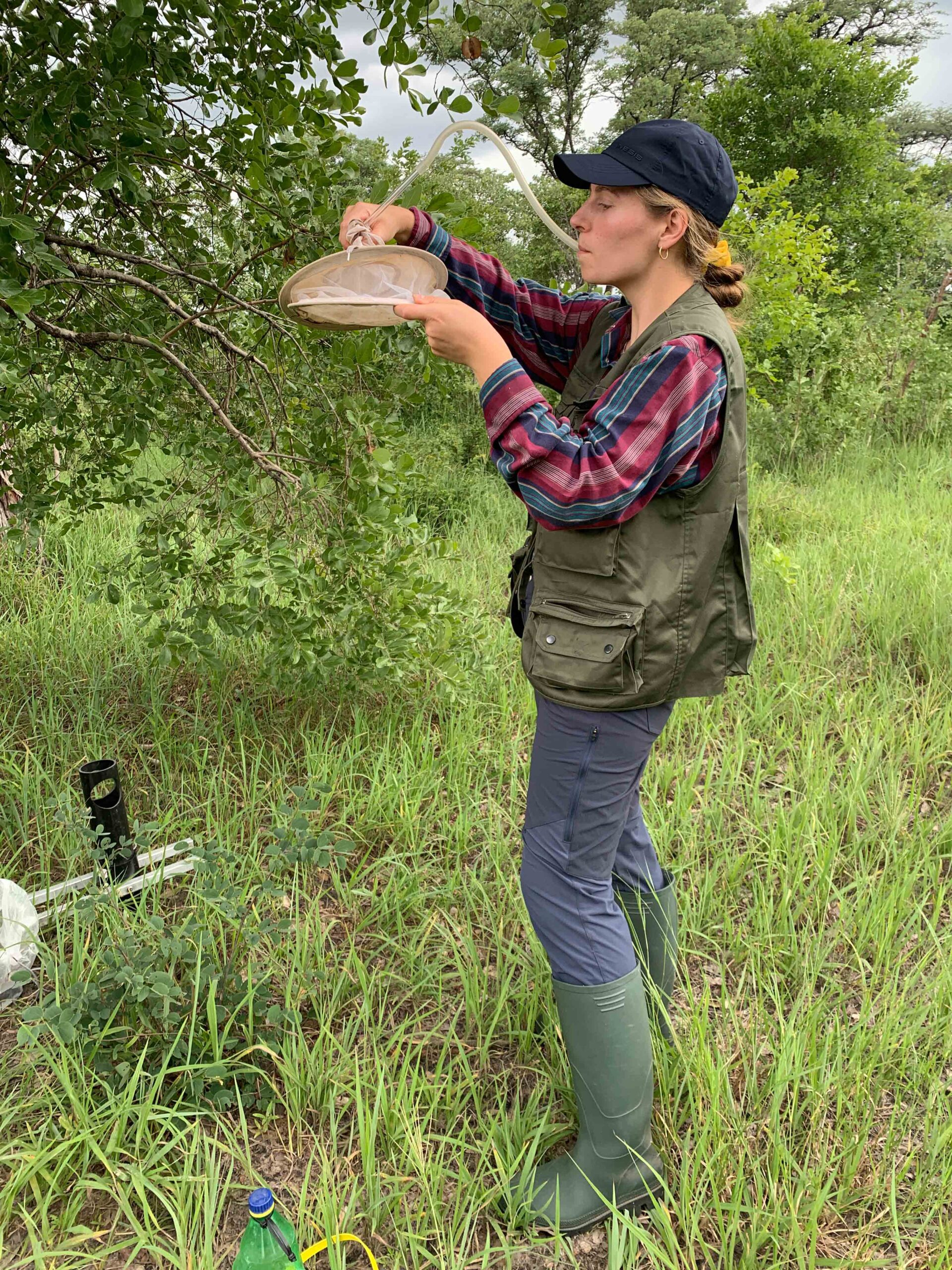
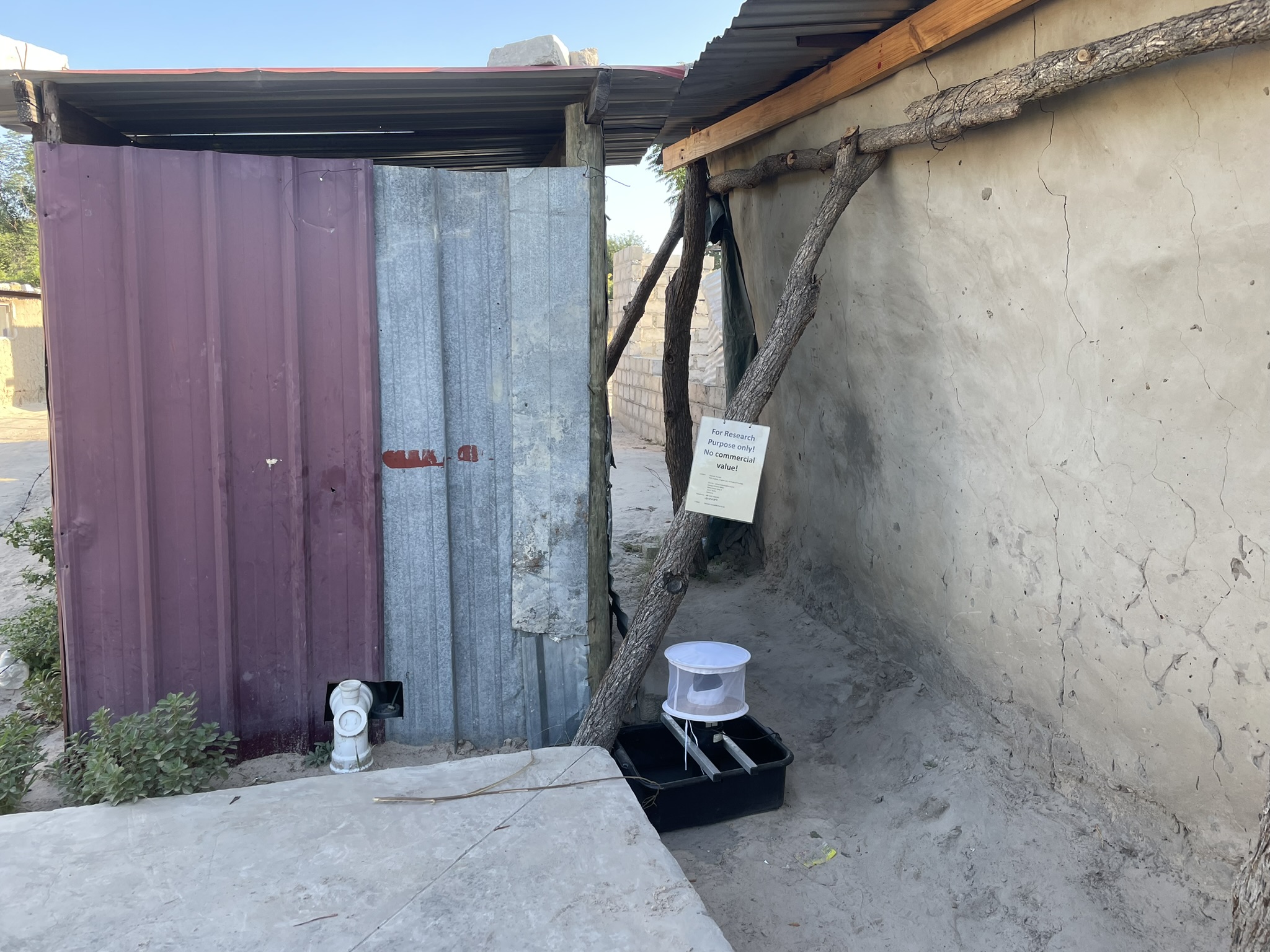
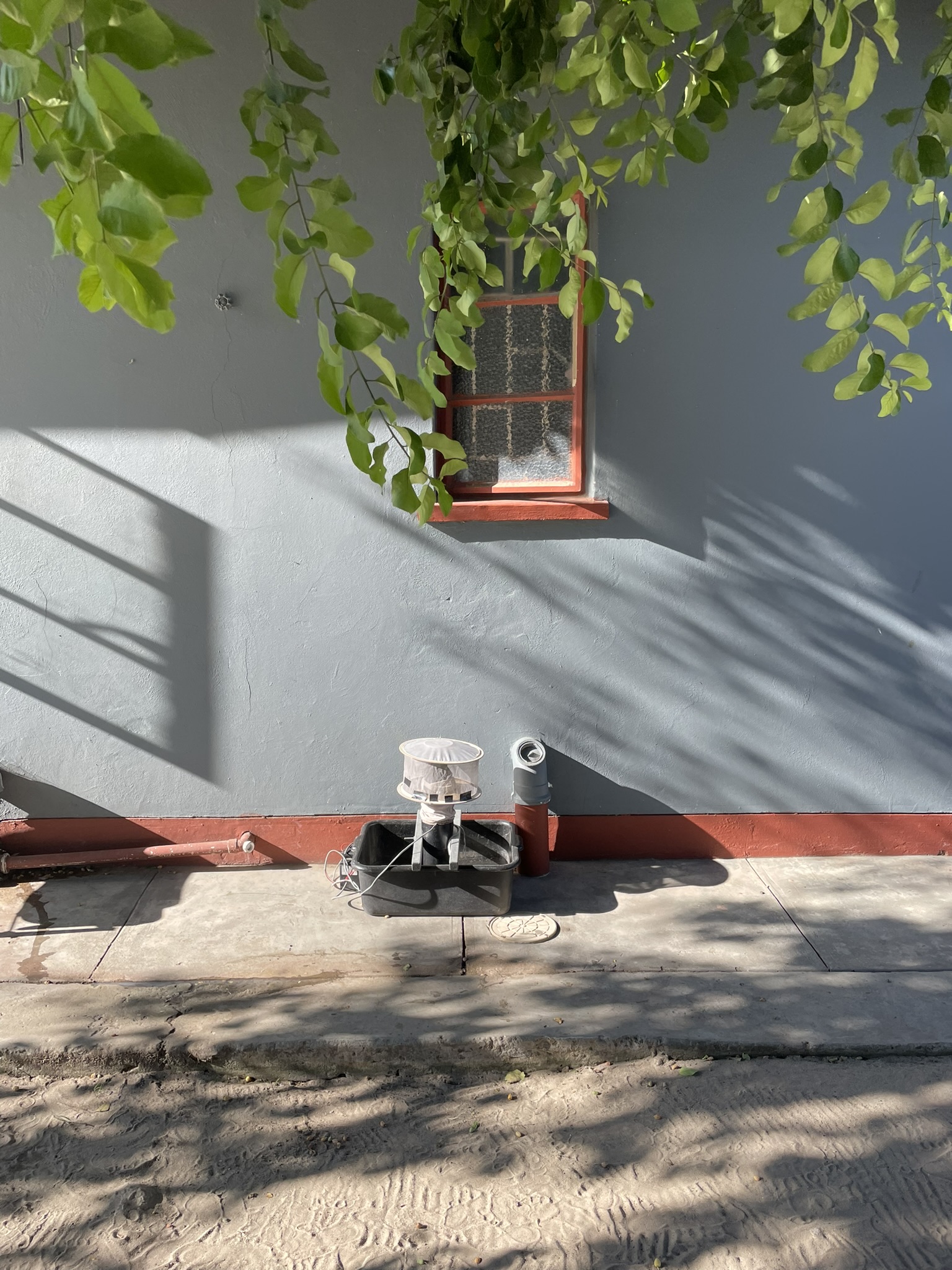
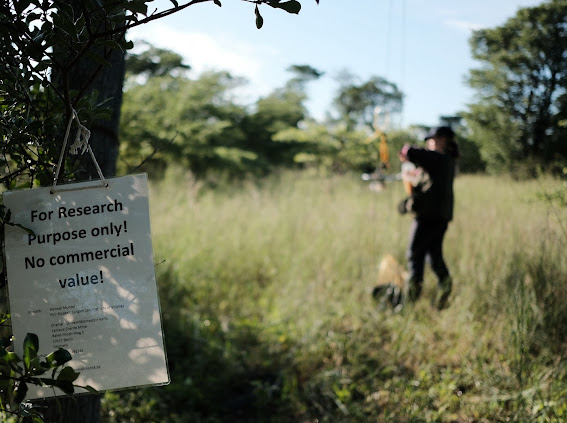
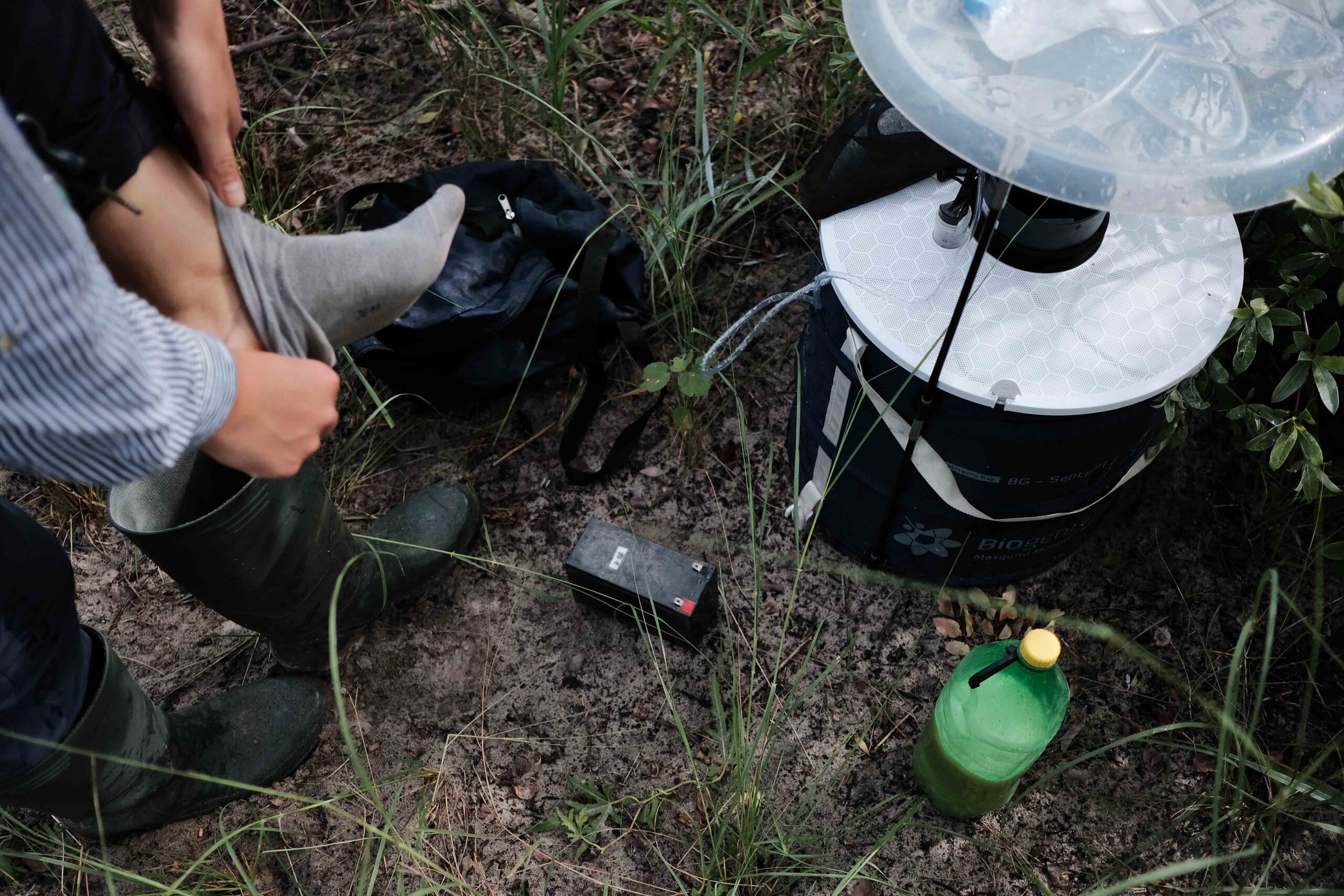
Mosquito-borne disease ecology studies implementing advanced remote sensing techniques, combined with demographic population, climate change, and land surface modelling.

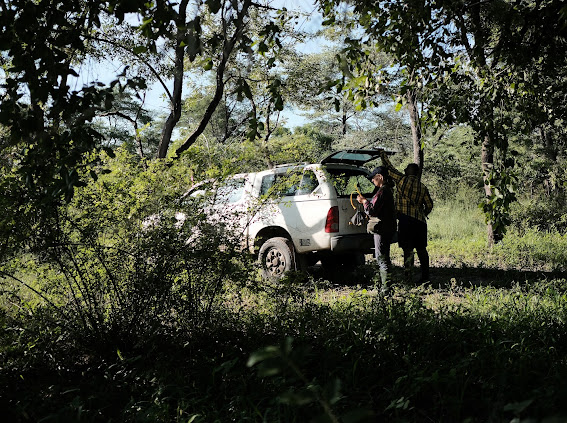
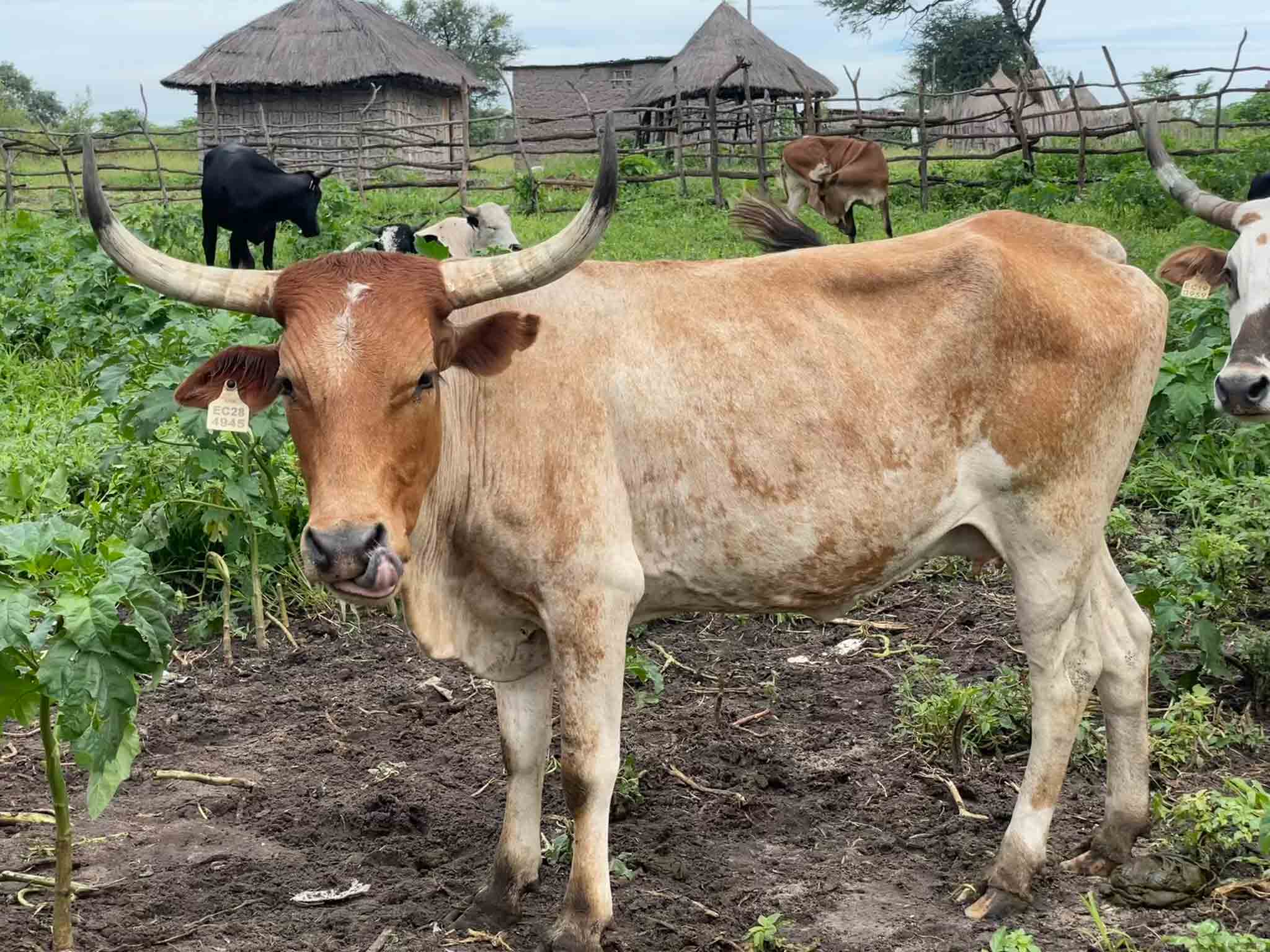
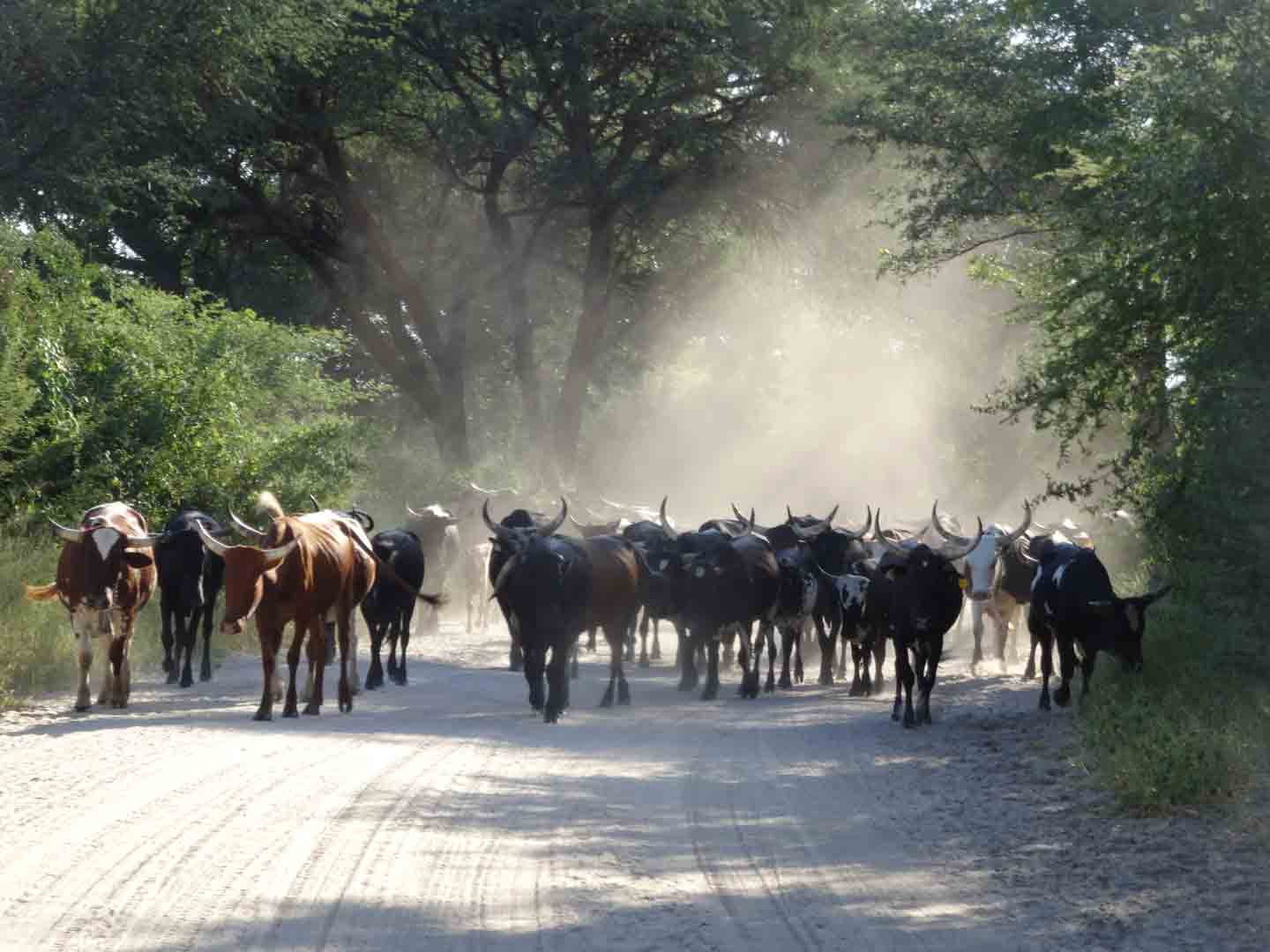
So far we observed a shift in mosquito communities between conserved landscapes and human settlements. In the Kavango-Zambezi Transfrontier Conservation Area (KAZA), mosquitoes fed on wildlife in conserved areas but switched to humans and livestock in rangelands, where pathogen-transmitting species were more abundant. Mosquito diversity declined with wildlife refaunation, resembling human settlements, particularly in high-elephant-density areas, highlighting the need for balanced ecosystem restoration. We detected arboviruses like West Nile virus (WNV), Bagaza virus, and Rift Valley Fever virus (RVFV) in livestock in Namibia and Kenya, indicating human exposure. However, agro-pastoralist communities in the Kenyan Rift Valley (KRV) lacked arboviral knowledge. Additionally, invasive alien plants (IAPs) like Parthenium and Prosopis enhanced mosquito survival, with Parthenium DNA found in plant-sugar-fed mosquitoes. These factors—shifting mosquito communities, arbovirus circulation, and expansion of IAPs—suggest rising human infection risks in changing landscapes. 

We found that elephant densities in KAZA affected mosquito species composition as well as mosquito densities. Similarly, in the KRV land-use changes caused by invasive plants like Parthenium, Prosopis and Lantana had a strong effect on mosquito community composition. Several pathogenic arboviruses, like West Nile virus that can cause encephalitis in humans were found in Cx. univittatus mosquitoes in KAZA. In total, we detected ten strains of WNV which grouped in two different phylogenetic clades. Our data indicate that two different variants were simultaneously circulating in Namibia and suggest that WNV may contribute to unknown disease aetiologies. In addition, novel orthobunya- and orbiviruses that are likely to cause malformations and abortions in livestock, were detected in mosquitoes and midges in KAZA. The presence of such a great variety of infectious pathogens may be responsible for high levels of uncertainties in shaping the future.

B02 supports the CRC’s boundary-bridging concept by exploring how bio-cultural shifts influence vector-borne diseases and human-animal health in rural Africa. It focuses on large-scale land-cover/ use changes—e.g., conservation, urbanization, and agriculture—altering ecosystems and social practices. B02 uses remote sensing and modelling techniques to link vegetation traits, invasive plants, mosquito ecology, and health outcomes in a One Health framework. Collaborations with other CRC projects (A01, A04, B01, C03, and Z02) will enhance vegetation and infrastructure mapping. B02 will also contribute to CRC exhibitions and policy forums in Kenya and Namibia, helping to shape future-oriented health and environmental strategies.

Publications

Agha, S.B., Alvarez, M., Becker, M., Fèvre, EM., Junglen, S., Borgemeister, C. 2021. Invasive alien plants in Africa and the emergence of arboviral diseases – A review and research outlook. Viruses 13 (1), 32. DOI

Chiuya T, Fevre E.M., Junglen S., Borgemeister C., 2023. Understanding knowledge, attitude and perception of Rift Valley fever in Baringo South, Kenya: A cross-sectional study. PLOS Glob Public Health. 2023 Sep 12;3(9). DOI

Chiuya, T., Fèvre, E. M., Okumu, N. O., Abdi, A. M., Junglen, S., Borgemeister, C. 2024. Exposure to Arboviruses in Cattle: Seroprevalence of Rift Valley Fever, Bluetongue, and Epizootic Hemorrhagic Disease Viruses and Risk Factors in Baringo County, Kenya.” Pathogens, 13(8), 613. DOI

Guggemos, H., Fendt, M., Hermanns, K., Hieke, C., Heyde, V., Mfune, JKE, Borgemeister, C., Junglen, S. 2021. ‘Orbiviruses in biting midges and mosquitoes from the Zambezi region, Namibia’, Journal of General Virology, 102(9). DOI

Guggemos, H., Fendt, M., Hieke, C., Heyde, V., Mfune, JKE, Borgemeister, C., Junglen, S. 2021 Simultaneous circulation of two West Nile virus lineage 2 clusters and Bagaza virus in the Zambezi region, Namibia. PLoS Neglected Tropical Diseases, 15(4): e0009311. DOI

Guggemos, H. D., Kopp, A., Voigt, K., Fendt, M., Graff, S. L., Mfune, J. K. E., Borgemeister, C., Junglen, S. 2024. Eilat Virus Isolated from Culex Univittatus Mosquitoes from the Namibian Zambezi Region Influences in Vitro Superinfection with Alpha- and Flaviviruses in a Virus-Species-Dependent Manner. PLoS ONE 19(12):1–16. DOI

Madzingira, O., Munzel, H., Simasiku, N. M., Lucas, L. T., Mwenda, E. N., Chinyoka, S., Tjipura-Zaire, G., Shilongo, F., Borgemeister, C., Khaiseb, S., Chitanga, S., Junglen, S. 2024. Seroprevalence of Brucella Spp. and Rift Valley Fever Virus Infections in Communal Pastoral Cattle at the Wildlife-Livestock Interface, Zambezi Region, Namibia. Frontiers in Veterinary Science 11. DOI

Osei-Owusu, J., Aidoo, O.F., Dofuor, A.K., Eshun, F., Gaikpa, D.S., Vigbedor, B.Y., Turkson, B.K., Ochar, K., Opata, J., Opoku, M., Ninsin, K.D. & C. Borgemeister, 2023. Buruli ulcer in Africa: Geographical distribution, ecology, risk factors, diagnosis, and indigenous plant treatment options – A comprehensive review. Heliyon. DOI

van Dam, A., van Engelen, W., Müller-Mahn, D., Agha, S., Junglen, S., Borgemeister, C., & Bollig, M. (2023). Complexities of multispecies coexistence: Animal diseases and diverging modes of ordering at the wildlife–livestock interface in Southern Africa. Environment and Planning E: Nature and Space, 0(0). Full Text

Project News

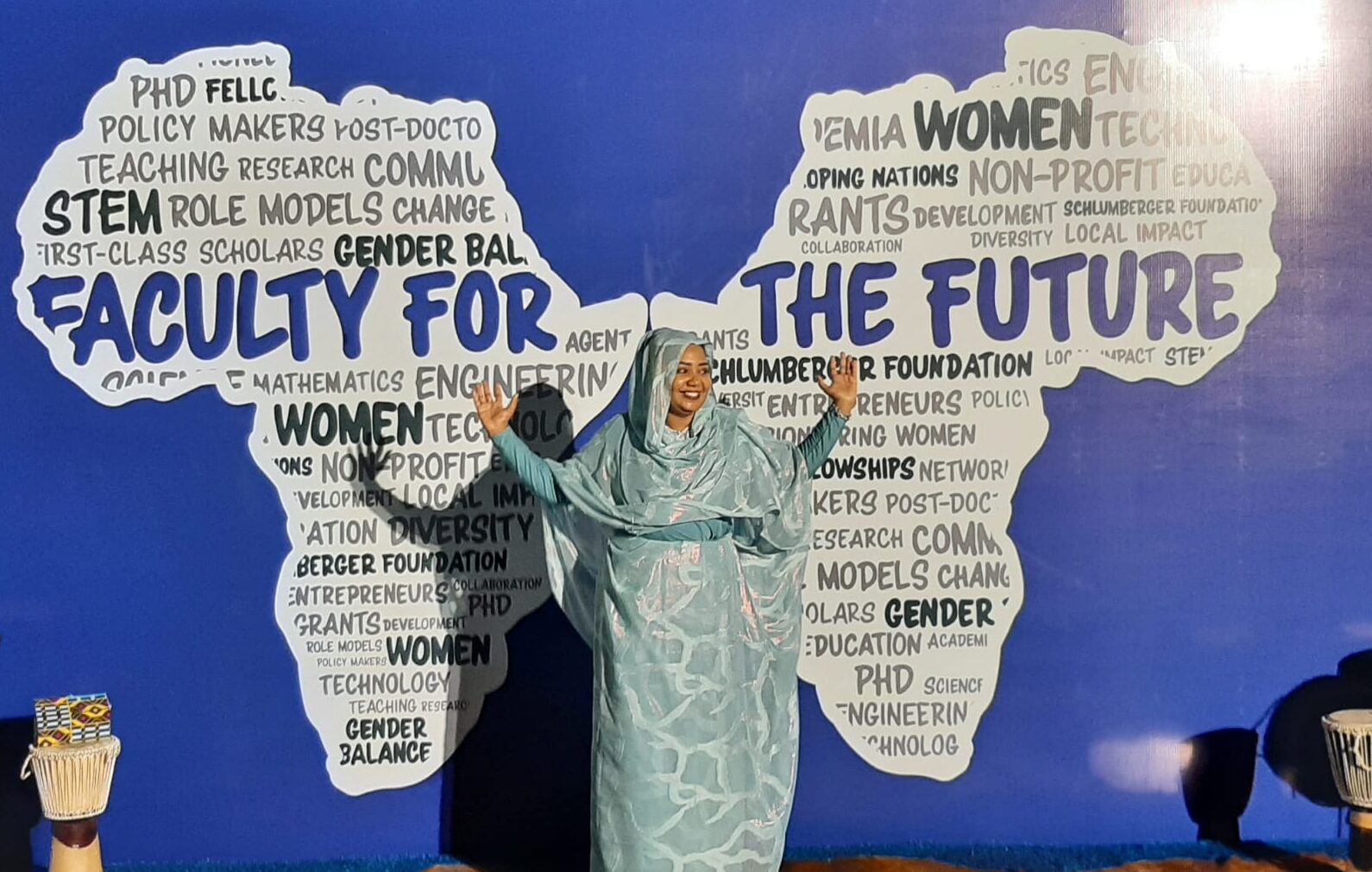
Researcher Tasneem Osman

Bridging Science, Policy, and Community: Reflections from a Season of Conferences

By Tasneem Osman (Project B02 Future Infections). As a researcher with a background in medical entomology and a deep commitment to public health, my journey ...
Read More »
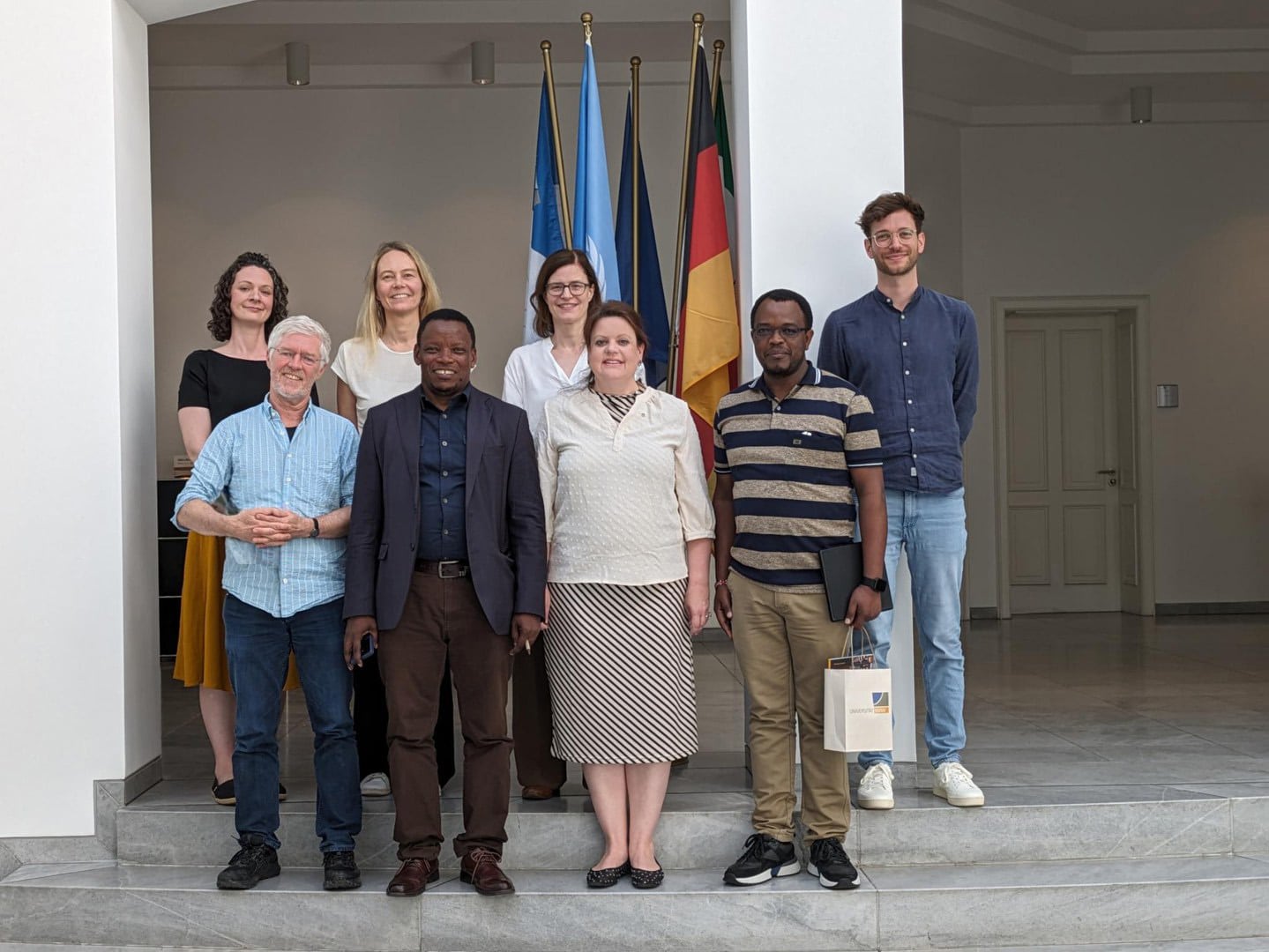
delegations of mzumbe university and the departemnt of geography at the university of bonn

Vice-Chancellor of Mzumbe University Visits Department of Geography in Bonn

A delegation from Mzumbe University in Tanzania recently visited the University of Bonn’s Department of Geography. Mzumbe University is a a partner institution in the ...
Read More »
The Logo of ECAS Conference 2023

CRC-TRR Future Rural Africa at ECAS 2023

As ECAS 2023 is set to begin in Cologne on May 31, we are not only thrilled to announce that the CRC Future Rural Africa ...
Read More »
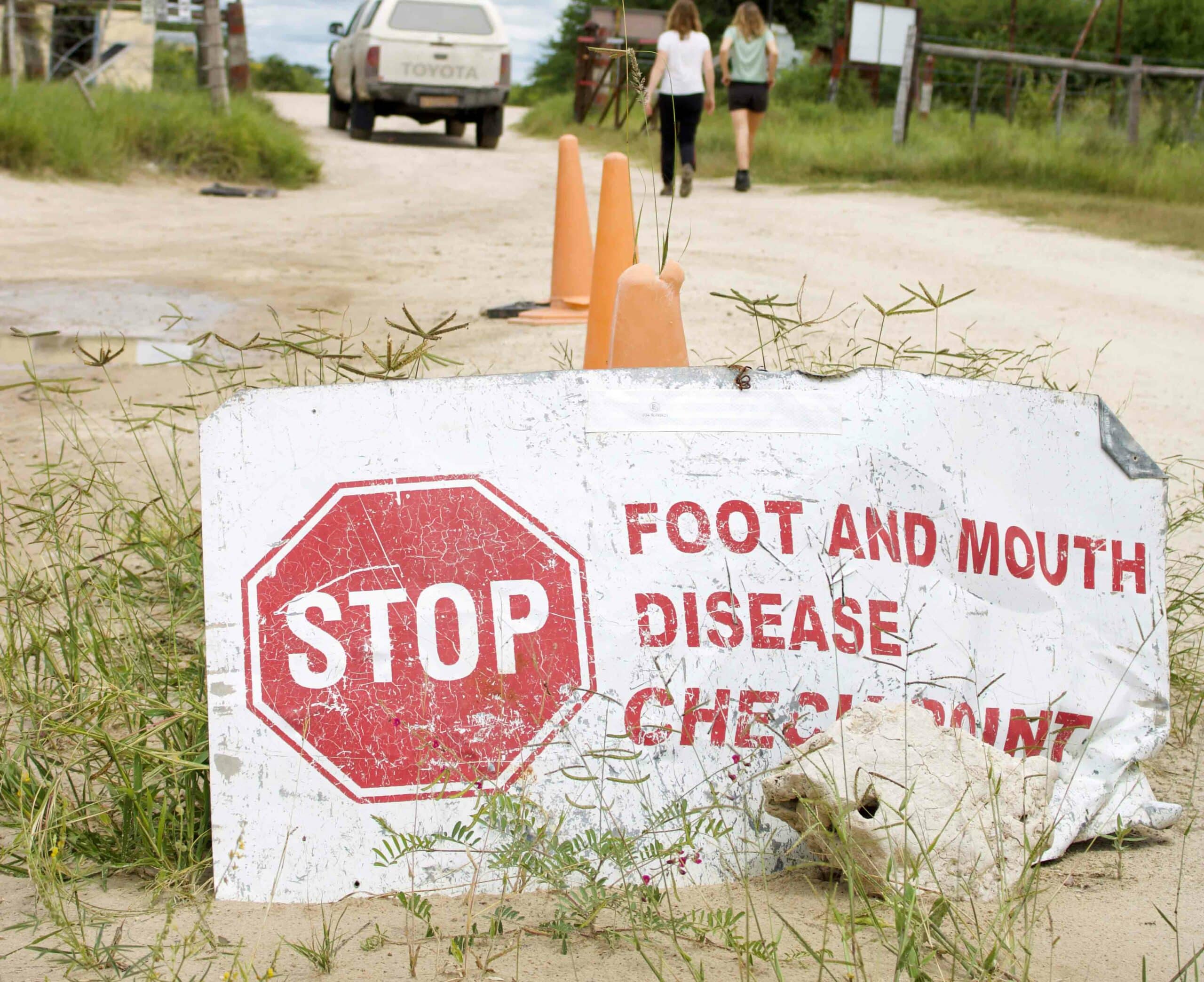
Picture showing the warning sign of a foot and mouth disease checkpoint

Collaboration between CRC Projects B02, C03, A04 and the ERC Rewilding leads to new interdisciplinary publication on “Complexities of multispecies coexistence”

By Arvid van Dam (Project B02), Wisse van Engelen (ERC Rewilding), Detlef Müller-Mahn (Project C03), Sheila Agha (Project B02), Sandra Junglen (Project B02), Christian Borgemeister ...
Read More »
Catching mosquitoes with CDC Light Trap in north-eastern Namibia

Pandemics, ecosystems, and rainforests

What dangers does biodiversity loss pose to the eruption of future pandemics? Virologist and principal investigator of the CRC, sub-project B02, Prof. Dr. Sandra Junglen ...
Read More »

Team Members

Christian-Borgemeister-B02-Future-Infections

Prof. Dr. Christian Borgemeister

Project Leader

University of Bonn

portrait image of simbarashe chitanga

Dr. Simbarashe Chitanga

Partner

University of Namibia

Tatenda Chiuya Portrait

Dr. Tatenda Chiuya

Postdoctoral Researcher

University of Bonn

Portrait of Prof. Eric Fevre

Prof. Eric Fèvre

Partner

International Livestock Research Institute Nairobi

Sandra Jungle Portrait

Prof. Dr. Sandra Junglen

Project Leader

Charitè

portrait image of boniface kiteme

Prof. Dr. Boniface Kiteme

Partner

Centre for Training and Integrated Research in ASAL Development

Portrait of Joel Lutomiah

Dr. Joel Lutomiah

Partner

Kenya Medical Research Institute

portrait image of oscar madzingira

Dr. Oscar Madzingira

Partner

University of Namibia

portrait image of Zbyněk Malenovský

Prof. Dr. Zbyněk Malenovský

Project Leader

University of Bonn

portrait image of john mfune

Dr. John Mfune

Partner

University of Namibia

Hannah Munzel Portrait

Hannah Munzel

PhD Student

Charité

portrait image of michael schmidt

Dr. Michael Schmidt

Postdoctoral Researcher

University of Bonn

portrait image of edgar simulundu

Prof. Dr. Edgar Simulundu

Partner

Macha Research Trust

Scroll to Top