Publication: Connected by water?

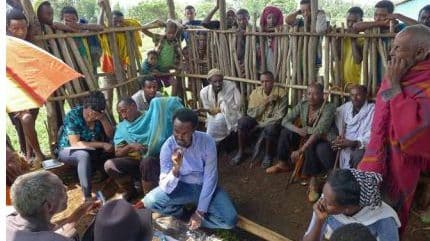
The dam allows me to have a good life, thank God”, says the Ethiopian smallholder. “I don’t have a house in town like rich people, but at least I can provide sufficiently for my family and send my children to school.” This personal testimony stands for all those who have benefited in recent years from the expansion of irrigation in the Ethiopian highlands. Buth there are other voices in the villges along the Blue Nile: The construction of the dam has brought us nothing but hard-ship. They took our land from us. Many people have to look for work elsewhere, it’s tearing families apart. We are neither dead nor living.”

These two statements from interviews carried out in situ present a contradictory picture of change in relation to water supply and social living. They reveal that water has the power not only to connect, but also to divide.

By constructing new dams, Ethiopia hopes to increase food production, respond to growing energy demand, drive forward modernisation and economic growth, and manage the consequences of climate change. Yet among both local communities and experts, there is disagreement as to whether so much can be achieved at once.

Professor. Detlef Müller- Mahn, CRC Spokesperson, is one of the researchers in the DFG-supported Nile Nexus project. In he‘s contribution to the 2021 German Research magazine, he expounds on the connections or “nexus” between water, energy and food security in the contex of current changes in land use.

The article can be accessed here, on pages 10 – 15.
More CRC News

construction workers in sub saharan africa

New Publication: Off-Farm Work Helps Reduce Seasonal Food Insecurity in Rural Sub-Saharan Africa

In this study, Jonas Guthoff, Martin Parlasca and Matin Qaim (Project C08 “Job Futures”) examine whether taking on off-farm work helps rural households in sub-Saharan ...
Read More »
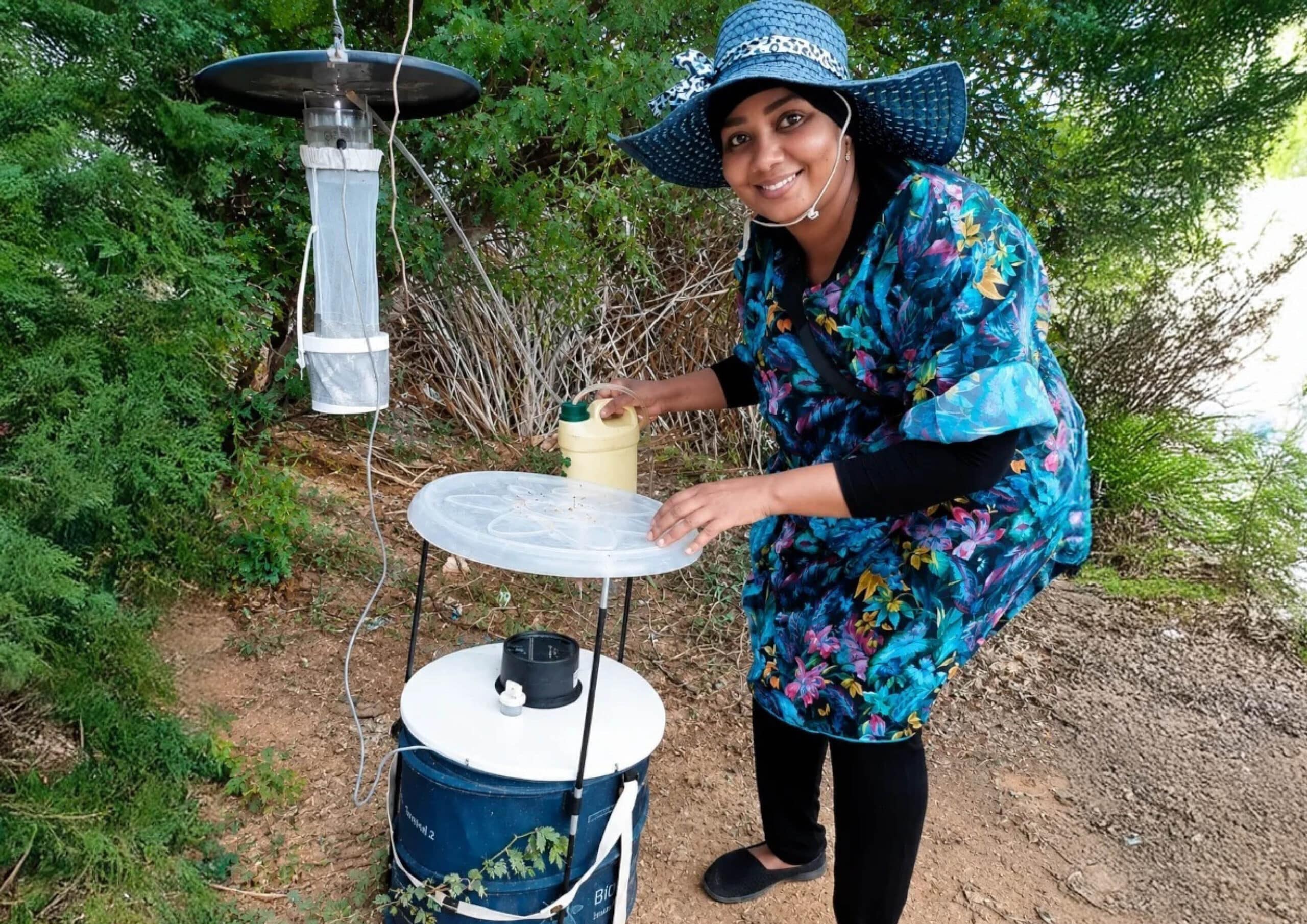
image shows a net contraption to catch tse tse flies

Tsetse Flies Between Threat and Coexistence: Narratives and Disease Landscapes in Zambia

Léa Lacan (Project A04 “Future Conservation”) examines how different narratives portray tsetse flies in Zambia—as dangerous disease vectors, protectors of wilderness, or co-inhabitants—and how these ...
Read More »
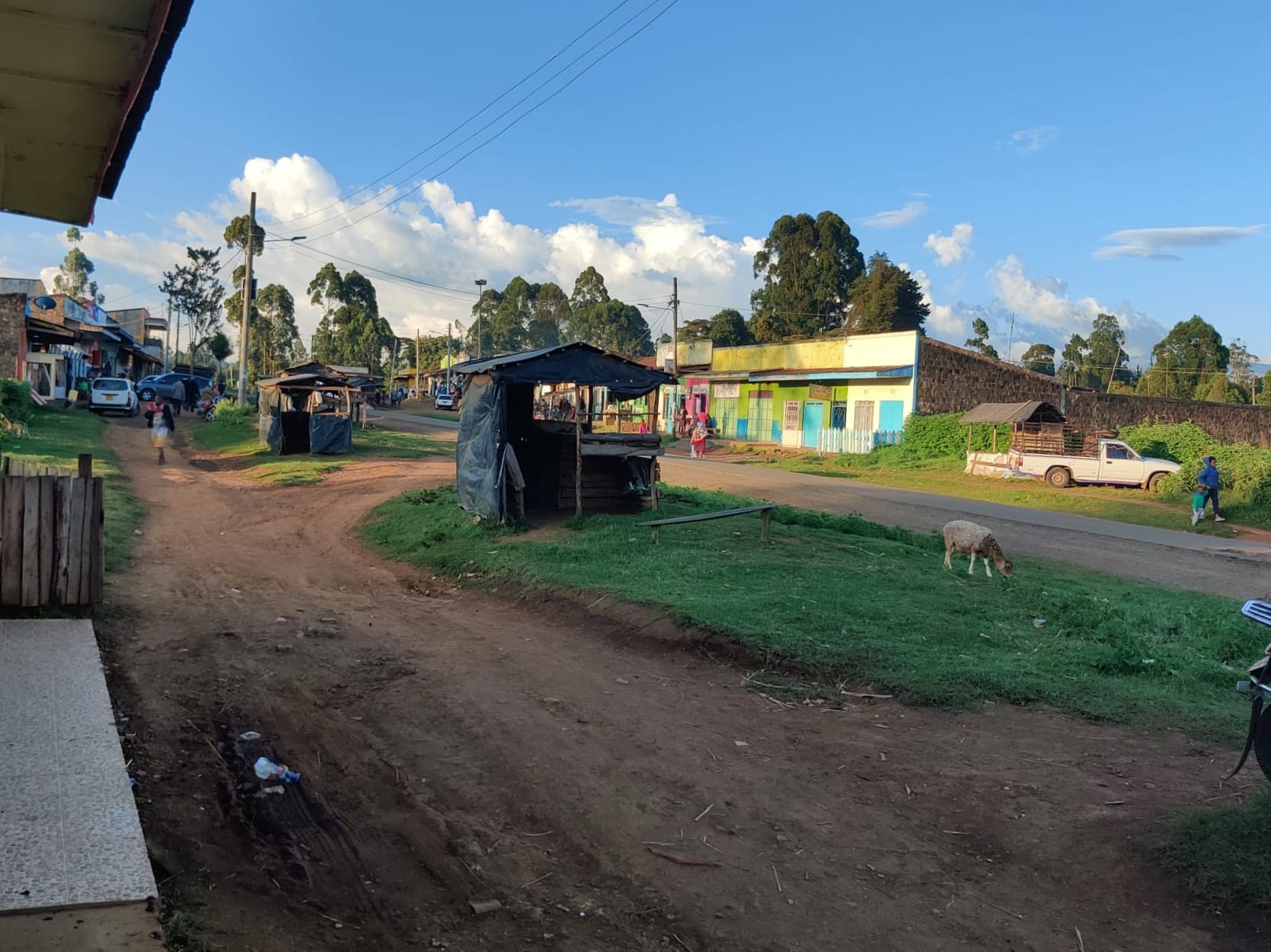
image shows a road in kenya

New Publication: Road Access Improves Market Integration—but Accelerates Land Degradation in Kenya

In this study, Vincent Moseti, Jan Börner and Lisa Biber-Freudenberger from our sub-project A05 “Future Roads” take a look at road accessibility and market access ...
Read More »

Call for Applications: Postdoctoral Researcher / Curator

The Department of Geography at the University of Bonn and Futurium are partnering on the Z05 project “Negotiating African Futures: an exhibition project” of the ...
Read More »
landscape in northern Kenya

How Violence has Evolved into a Political Technique of Territorial Control in Northern Kenya

In this study, Evelyne Atieno Owino uses assemblage theory to examine how devolution has transformed the logic of pastoral conflict from reciprocal raiding into a ...
Read More »
Scroll to Top