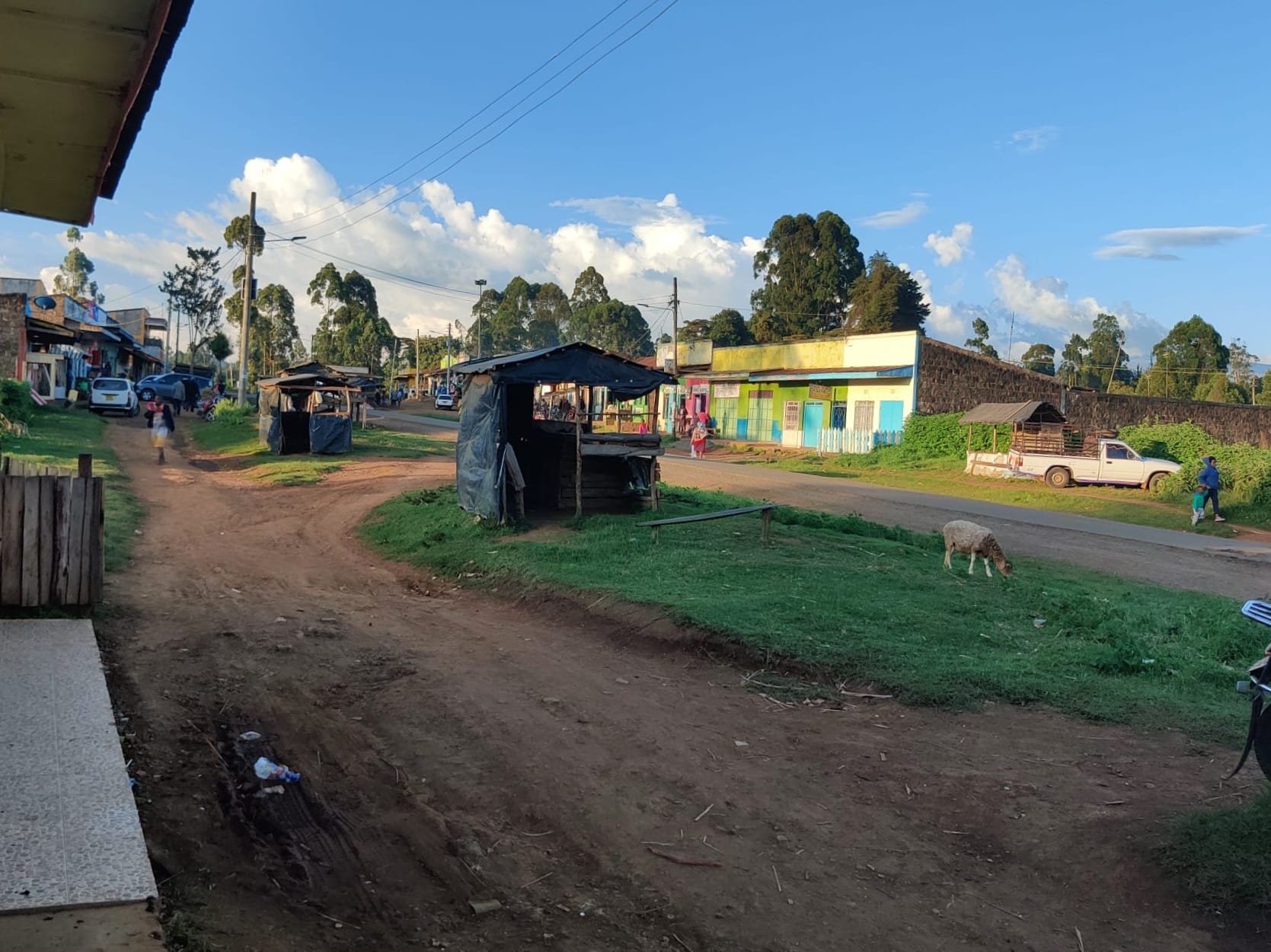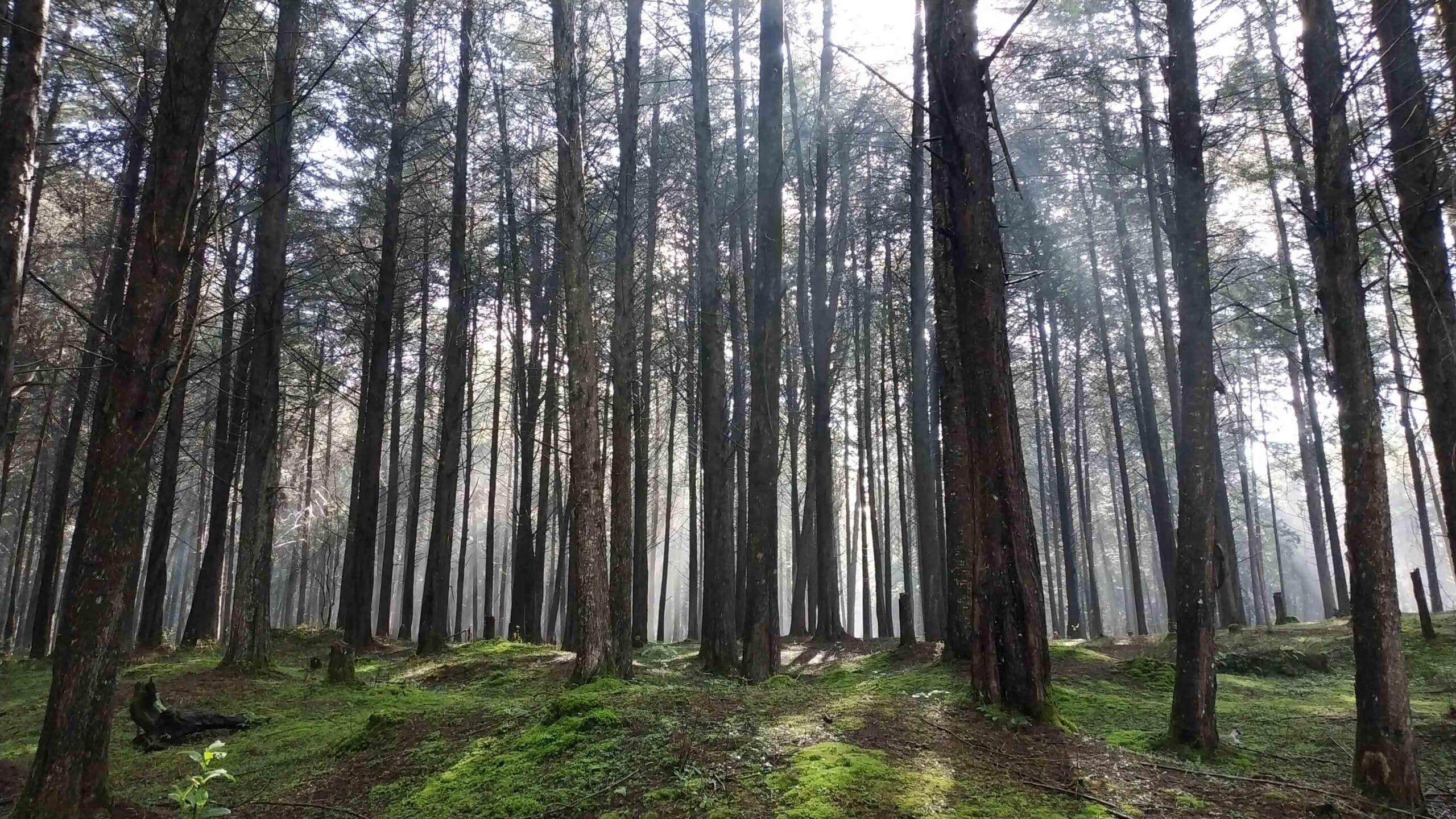
In this paper, Léa Lacan (Project A04 “Future Conservation), Marie Müller-Koné (Project B03 “Violent Futures) and King’asia Mamatia (University of Cologne) examine how indigenous communities in Kenya are using claims of indigeneity to defend their forest rights and challenge histories of state-led dispossession. Drawing on three case studies of the Ogiek, Sengwer and Lembus communities, the authors explore how indigenous identities and cultural ties to the land are reshaping forest conservation politics. The article highlights both the potential of “indigenised conservation” to strengthen indigenous rights and its risks of deepening tensions between and within communities.
When Identity and Environmental Politics Meet: Indigenised Conservation in Three Kenyan Forests
By Léa Lacan, Marie Müller-Koné and King’asia Mamatia
Abstract
Forest politics in Kenya intertwine environmental issues with identity claims. Communities are increasingly emphasising indigeneity to secure forest rights. This article brings together three cases: the struggles of Ogiek residents in the Mau Forest, Sengwer residents in the Cherangany forests, and Lembus activists in the forests around Eldama Ravine. Using ethnographic and archival research, it explores how claimants foreground historical and cultural ties to land and forest, to defend both indigenous rights and forest conservation. The article identifies two ways in which forest conservation is becoming ‘indigenised’. First, activists frame conservation as inherent to their indigenous cultures. Second, they re-appropriate conservation discourses to reverse histories of state-led forest dispossessions justified through conservation. Ultimately, the paper argues that, resonating at the international level, ‘indigenised conservation’ is reshaping Kenyan forest politics by promoting the role of indigenous people in conservation, yet bearing the risk of exacerbating tensions between and within ethnic communities.
Reference
Lacan, L., Müller-Koné, M., & Mamati, K. 2026. When Identity and Environmental Politics Meet: Indigenised Conservation in Three Kenyan Forests. Ethnos, 1–19. DOI