New Publication: The Politics of Suspended Infrastructure in Kenya

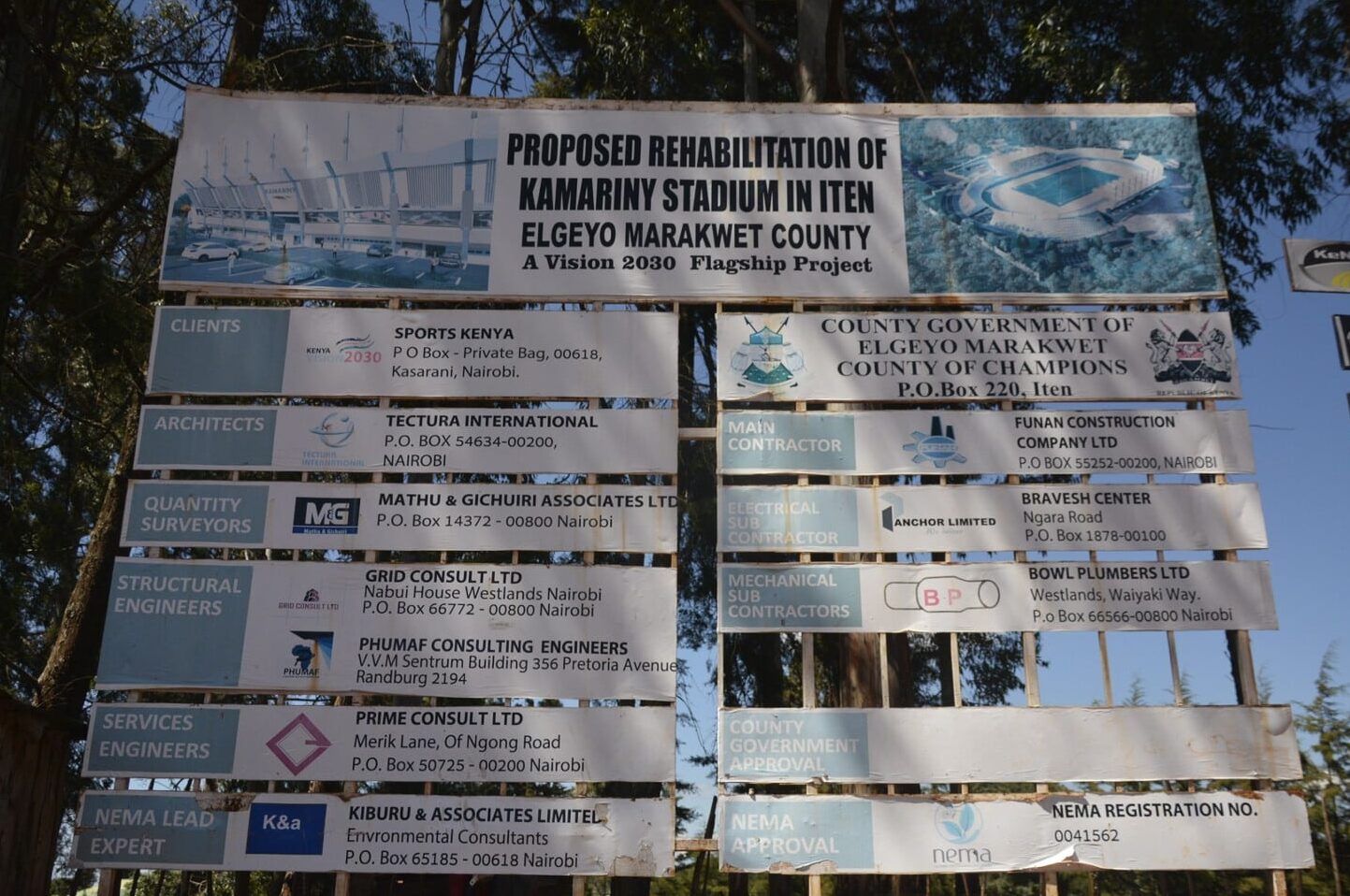
Uroš Kovač (Project B04 “Framing Futures”) examines stalled construction projects in Kenya—focusing on the suspended renovation of Kamariny Stadium—to show how “suspension” functions as a political and social process rather than mere failure. He argues that halted infrastructure projects become tools for state performance, economic speculation, and even civic dissent, complicating official narratives of development and progress.


Suspension as Politics: A Stadium and its Ruins in Northwest Kenya

By Uroš Kovač

Abstract
From mega-projects to small-scale repairs, many construction projects in Kenya are characterised by delays and false starts. One such case is the renovation of the Kamariny stadium, where since the 1960s world-class long-distance runners have prepared for international races. Part of the government’s Vision 2030 development agenda, the renovation promised to turn old athletics tracks into an imposing modern stadium. However, the construction was started and then suspended. Suspension as an ethnographic observation and an analytical framework provides a nuanced account of infrastructural development, one that complicates state-sanctioned narratives of vision and emergence. Conceptualised as a process and a deliberate political action – rather than an ontic condition – suspension is a resource for political performance and economic speculation, a tool for the state to assert itself as a provider of development, but also a method of civic dissent.


Reference

Kovač, U. 2025. Suspension as Politics: A Stadium and its Ruins in Northwest Kenya. Ethnos, 90(2), 313–339. DOI
More CRC News

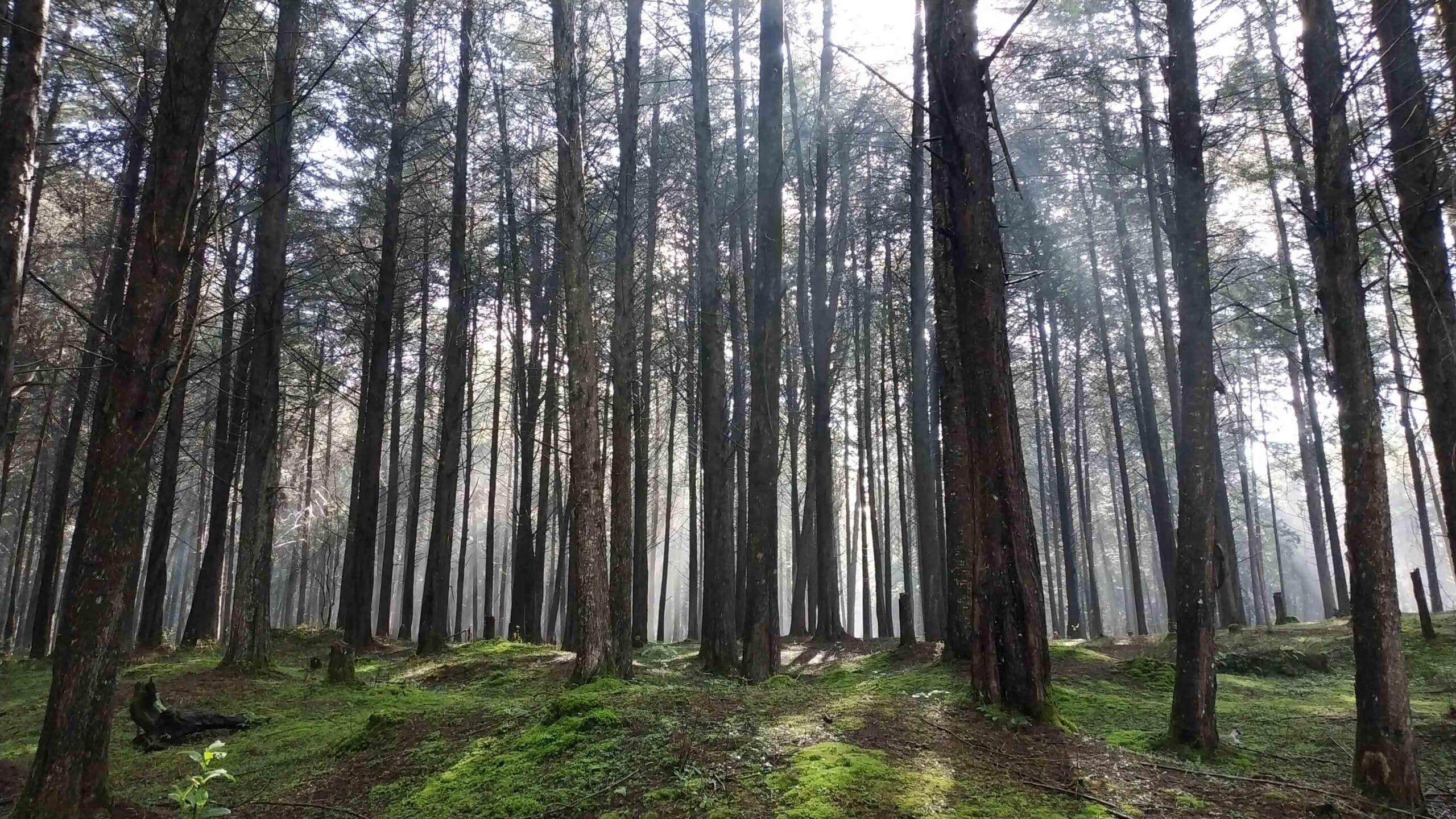
picture shows a forest in kenya

Indigenous Rights and Forest Conservation in Kenya

In this paper, Léa Lacan (Project A04 “Future Conservation), Marie Müller-Koné (Project B03 “Violent Futures) and King’asia Mamatia (University of Cologne) examine how indigenous communities ...
Read More »
a village in rural eastern Africa

Beyond Economic Growth: Development and Life Satisfaction among Tanzanian Smallholder Farmers

This article by Victoria Luxen, Moses Ndunguru and Peter Dannenberg from our sub-project C01 “Future in Chains” examines how agricultural development affects the life satisfaction ...
Read More »
cover for a web post

Gideon Tups, Richard Mbunda, Moses Ndunguru & Peter Dannenberg Receive Best Paper Award

Gideon Tups, Richard Mbunda, Moses Ndunguru and Peter Dannenberg (Project C01 “Future in Chains”) have recently been awarded the Best Paper Award by the Standort ...
Read More »
photo taken during a workshop

“Navigating Power Relations and Intersectional Dynamics in Empirical Research”: Reflections on a Workshop on Positionality, Diversity and Intersectionality

By Marie Müller-Koné, Project B03 “Violent Futures” In June 2025, the workshop “Navigating Power Relations and Intersectional Dynamics in Empirical Research”, led by antidiscrimination expert ...
Read More »
cattle walking down a dirt road in the zambezi region

New Publication: Rift Valley Fever Exposure Identified in Namibia’s Zambezi Region

This study, conducted by scientists from the University of Namibia in cooperation with researchers of our sub-project B02 “Future Infections”, investigates overlooked causes of febrile ...
Read More »
Scroll to Top