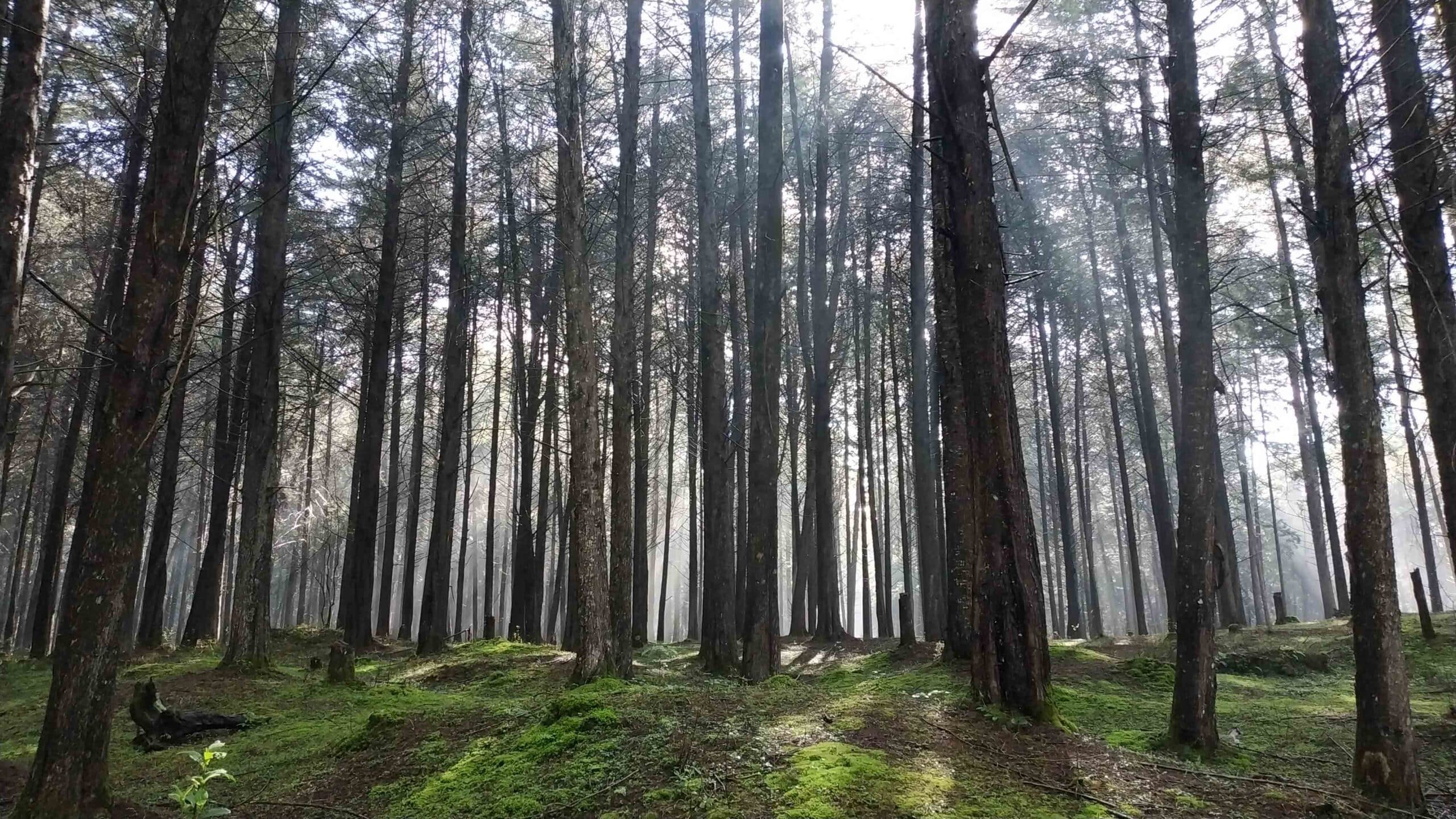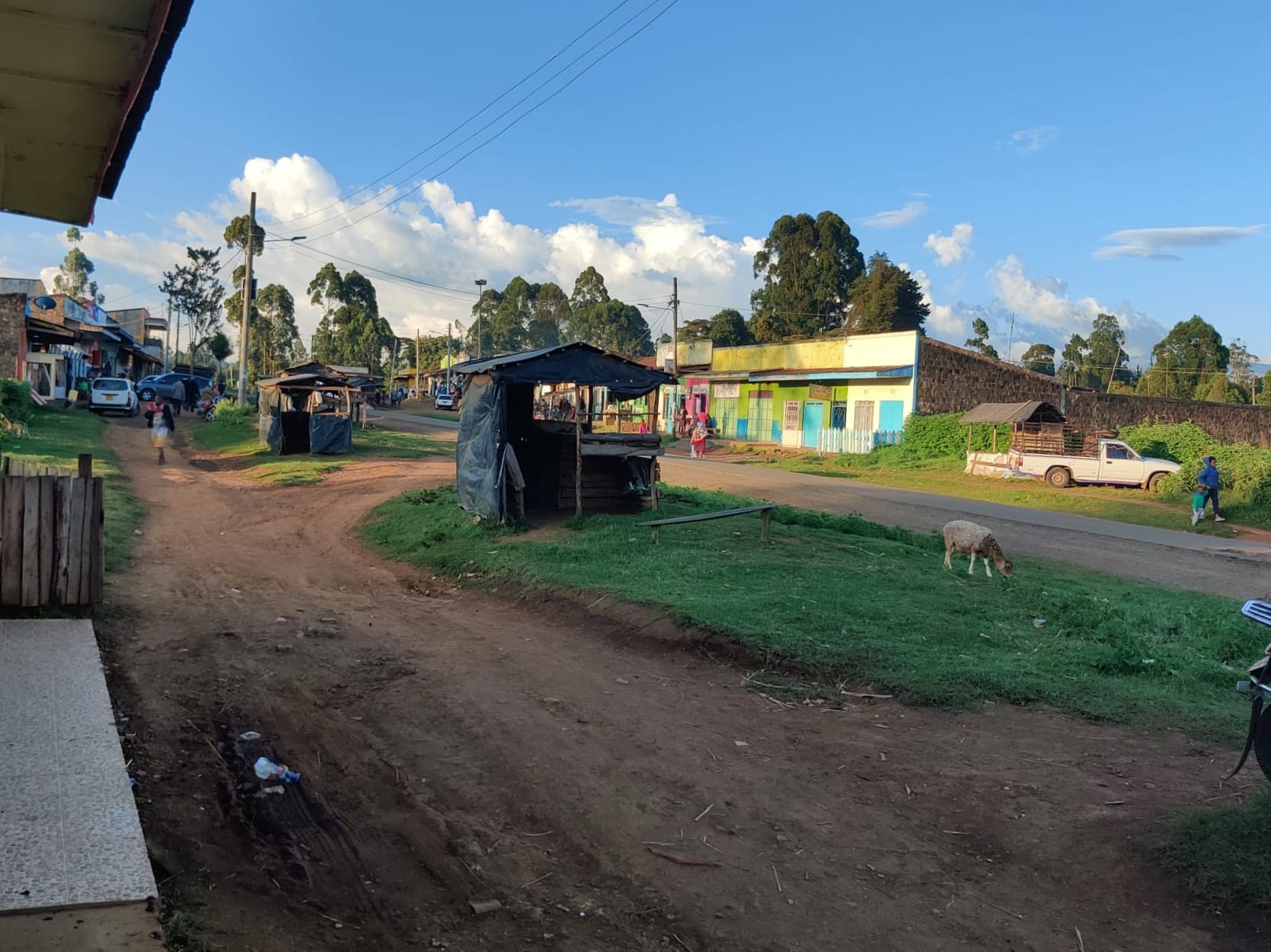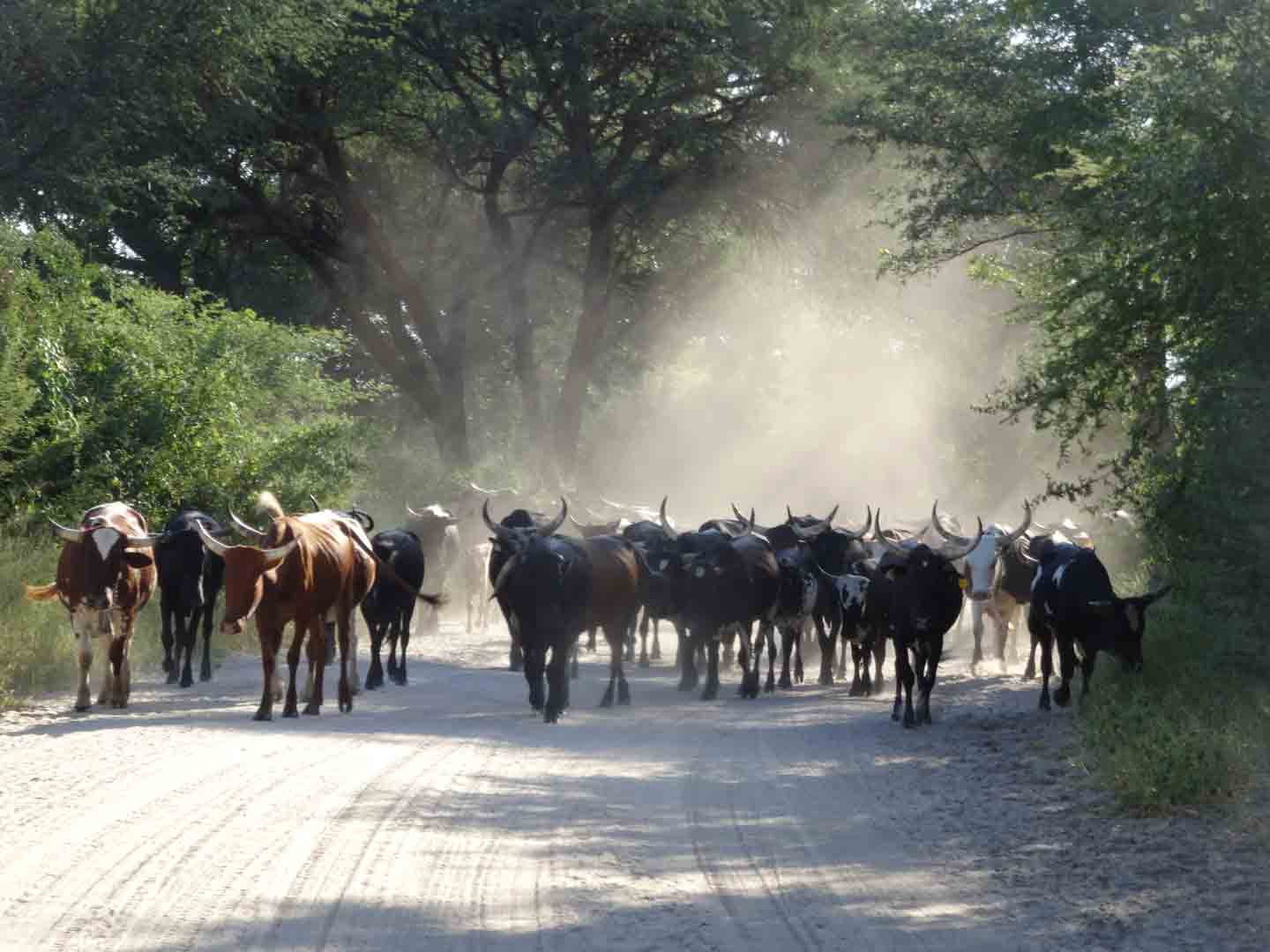
Wood density is an important plant functional trait to understand how trees everywhere in the world grow, compete with each other, persist or are affected by global change. How dense the wood biomass is packed in certain tree species is also essential to estimate how much carbon is being stored in woody vegetation. Wood density is thus a key factor in the prediction of the global carbon cycle and terrestrial ecosystem dynamics under future ecosystem changes.
The Global Wood Density Database (GWDD) provides open access to wood density data across the globe. Previously existing data gaps in the tropics and the Global South have been considerably reduced by a newly published, updated version of the database (GWDD v.2).
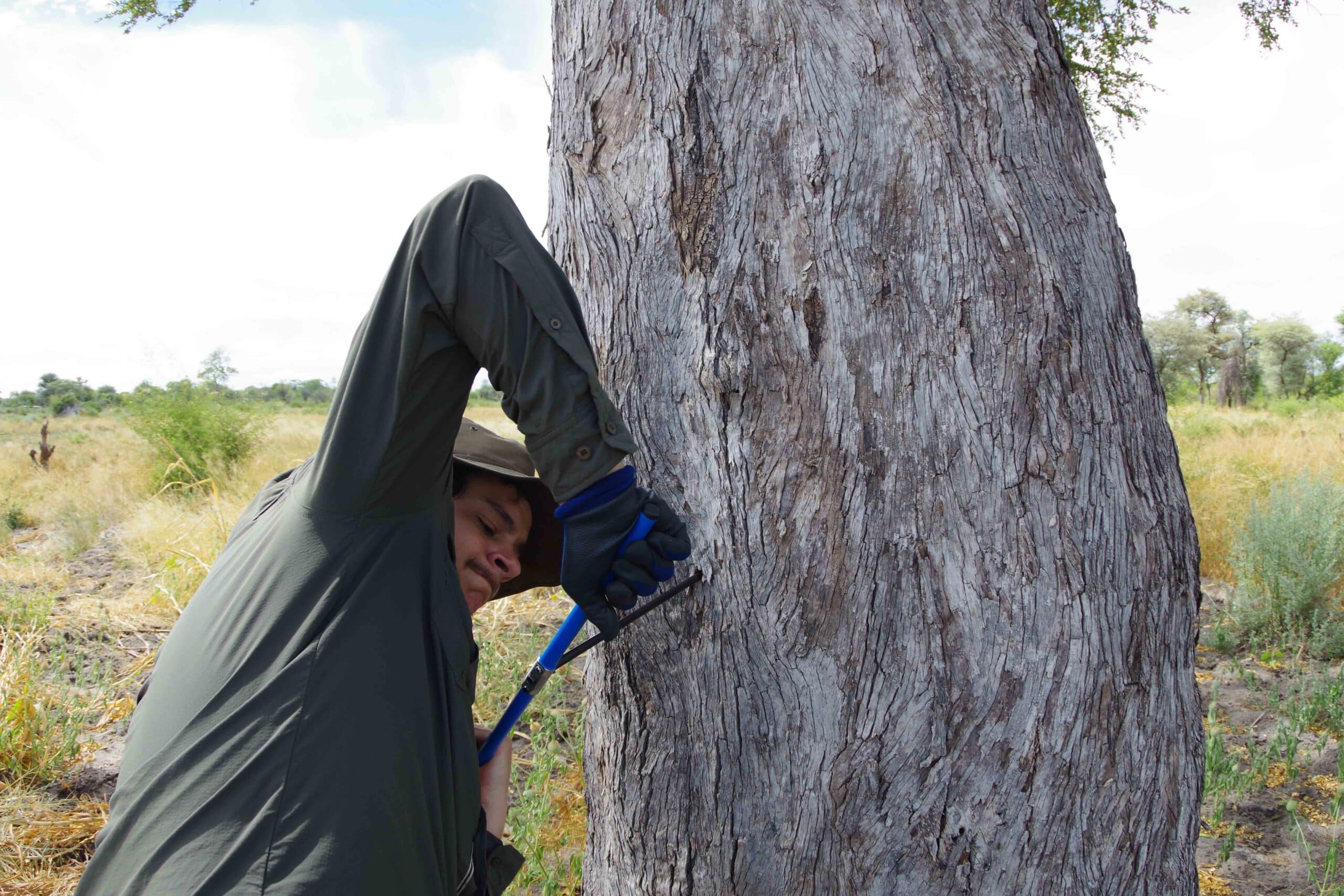
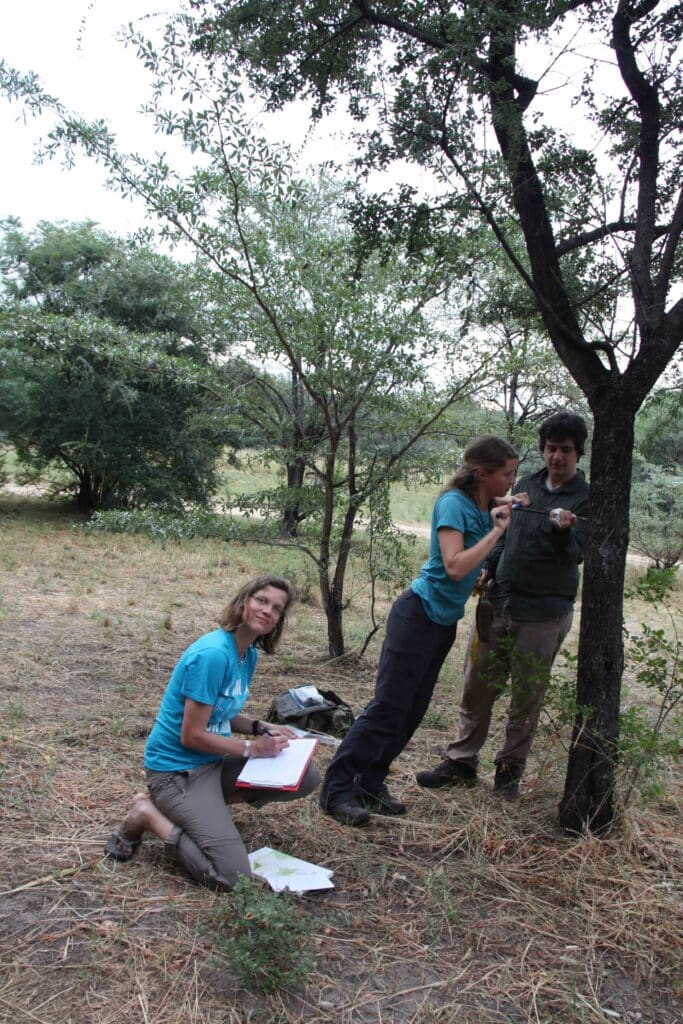
Researchers in Future Rural Africa, project A01 “Future Carbon Storage”, contributed wood density measurements from the KAZA Region which was previously missing in the database.
Beyond Species Means – the Intraspecific Contribution to Global Wood Density Variation
By Fabian Jörg Fischer, Jérôme Chave, Amy Zanne, Magnus Dobler, Ezequiel Chimbioputo Fabiano, Ezequiel Chimbioputo; Kindermann, Liana; Linstädter, Anja et al.
Abstract
Wood density is central for estimating vegetation carbon storage and a plant functional trait of great ecological and evolutionary importance. However, the global extent of wood density variation is unclear, especially at the intraspecific level. We assembled the most comprehensive wood density collection to date, including 109 626 records from 16 829 plant species across woody life forms and biomes (GWDD v.2). Using the GWDD v.2, we explored the sources of wood density variation within individuals, within species and across environmental gradients. Intraspecific variation accounted for c. 15% of overall wood density variation (SD = 0.068 g cm−3). Variance was 50% smaller in sapwood than heartwood, and 30% smaller in branchwood than trunkwood. Individuals in extreme environments (dry, hot and acidic soils) had higher wood density than conspecifics elsewhere (+0.02 g cm−3, c. 4% of the mean). Intraspecific environmental effects strongly tracked interspecific patterns (r = 0.83) but were 70–80% smaller and varied considerably among taxa. Individual plant wood density was difficult to predict (root mean square error > 0.08 g cm−3; single-measurement R2 = 0.59). We recommend (1) systematic sampling of multiple individuals and tissues for local applications, and (2) expanded taxonomic coverage combined with integrative models for robust estimates across ecological scales.
References
Fischer, F. J., Chave, J., Zanne, A. […] Dobler, M., Fabiano, E. C., Kindermann, L., Linstädter, A. et al. 2026. Beyond species means – the intraspecific contribution to global wood density variation. The New phytologist. DOI
Fischer, F. J., Chave, J., Zanne, A. […] Dobler, M., Fabiano, E. C., Kindermann, L., Linstädter, A. et al. Global Wood Density Database v.2 (GWDD v.2): Zenodo. Available online