
In this conversation, Prof. Laleh Khalili (Exeter; author of Time in the Shadows) and Prof. David Anderson (Future Rural Africa Project A02 Past Futures) discuss the traveling methods of colonial policing and punishment that circulated within the British empire and was transmitted across time and space to succeeding governments.

Call for Papers: Edited Volume on Regional Resilience in the Global South
Abstract deadline: 1 October 2026Manuscript deadline: 30 March 2027 Javier Revilla Diez, Mfundo Mlilo & Peter Dannenberg, researchers in our sub-project C01 “Future in Chains”, ...

Elephants, Fences and the Making of Infrastructure
What if infrastructure does not simply fail, but changes through its interactions with the more-than-human world? In their new paper, Wisse Van Engelen and Michael ...
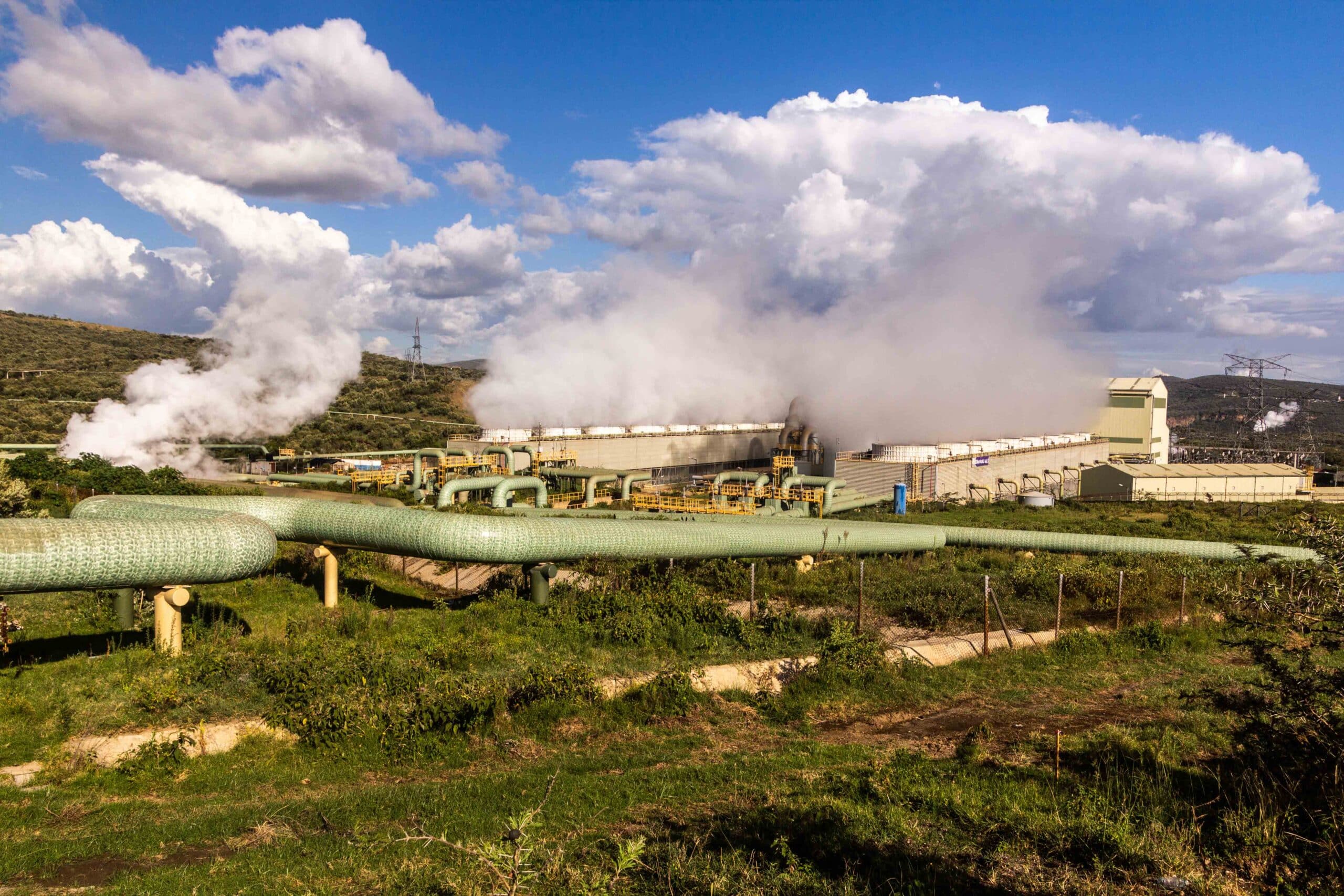
Online Seminar: Navigating the Green Energy Dilemma – a Case Study of Geothermal Development in Kenya
Thu, 27 August 2026 | 13:00 – 14:00 (SAST) Clemens Greiner is a researcher in our sub-project “C02: Energy Futures“. He focuses on the political ecology ...
Apply Now: Mentoring Programmes for Female Doctoral Candidates and Postdoctoral Researchers at the University of Cologne
Are you planning your next career steps in academia or considering career prospects outside of the university? The University of Cologne’s mentoring programmes in HR ...
Call for Applications: Two PhD Scholarships in our Project B06 “Digital Agrarian Futures”
Our sub-project B06 “Digital Agrarian Futures” is currently seeking applicants for two PhD scholarships. The project’s purpose is to understand the current unfolding of digital ...