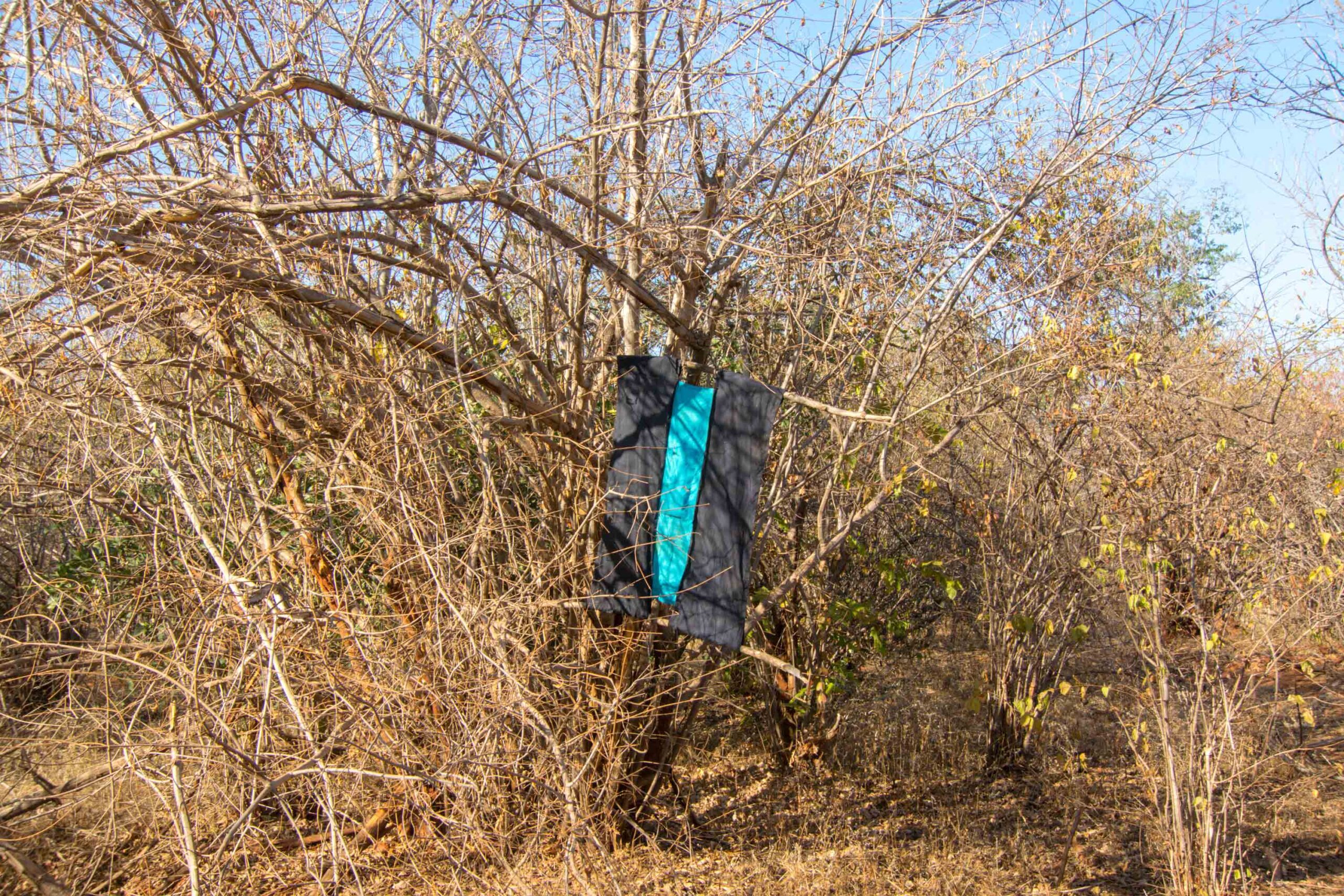
Léa Lacan (Project A04 “Future Conservation”) examines how different narratives portray tsetse flies in Zambia—as dangerous disease vectors, protectors of wilderness, or co-inhabitants—and how these stories shape approaches to controlling trypanosomiasis. It shows that responses to the disease are shaped by political, social, and ecological dynamics, raising questions about whether to pursue eradication or coexistence with the flies.
Flies, pathogens, and wildlife: Tsetse stories and disease vulnerabilities between eradication and coexistence in Zambia
By Léa Lacan
Abstract
Tsetse flies and wildlife-disease reservoirs have long been targeted for spreading trypanosomiasis, an infectious parasitic disease that affects multiple organs in humans and livestock. In Zambia, large-scale conservation promotes closer coexistence between people, livestock and wildlife, renewing concerns: how can people live with dreadful pathogens? This article explores the shifting stories that cast tsetse flies variously as epidemic villains, guardians of wilderness, and awkward neighbours. It aims to unravel the imaginaries, technological and spatial assemblages underlying tsetse stories to understand how they shape disease control and encounters with tsetse. Drawing on archives, entomological literature and interviews with local farmers in southwestern Zambia, the study moves between science, fiction, and local narratives to examine tsetse stories of the 20th and 21st centuries in Zambia (and beyond). It highlights how these stories shape the fears and possibilities of living with tsetse, between eradication and coexistence. Overall, the article shows that vulnerabilities to trypanosomiasis are produced and responded to in political assemblages, and asks: what kinds of multispecies worlds do we want to narrate and inhabit?
Reference
Lacan, L. 2026. Flies, pathogens, and wildlife: Tsetse stories and disease vulnerabilities between eradication and coexistence in Zambia. Environment and Planning E: Nature and Space. DOI