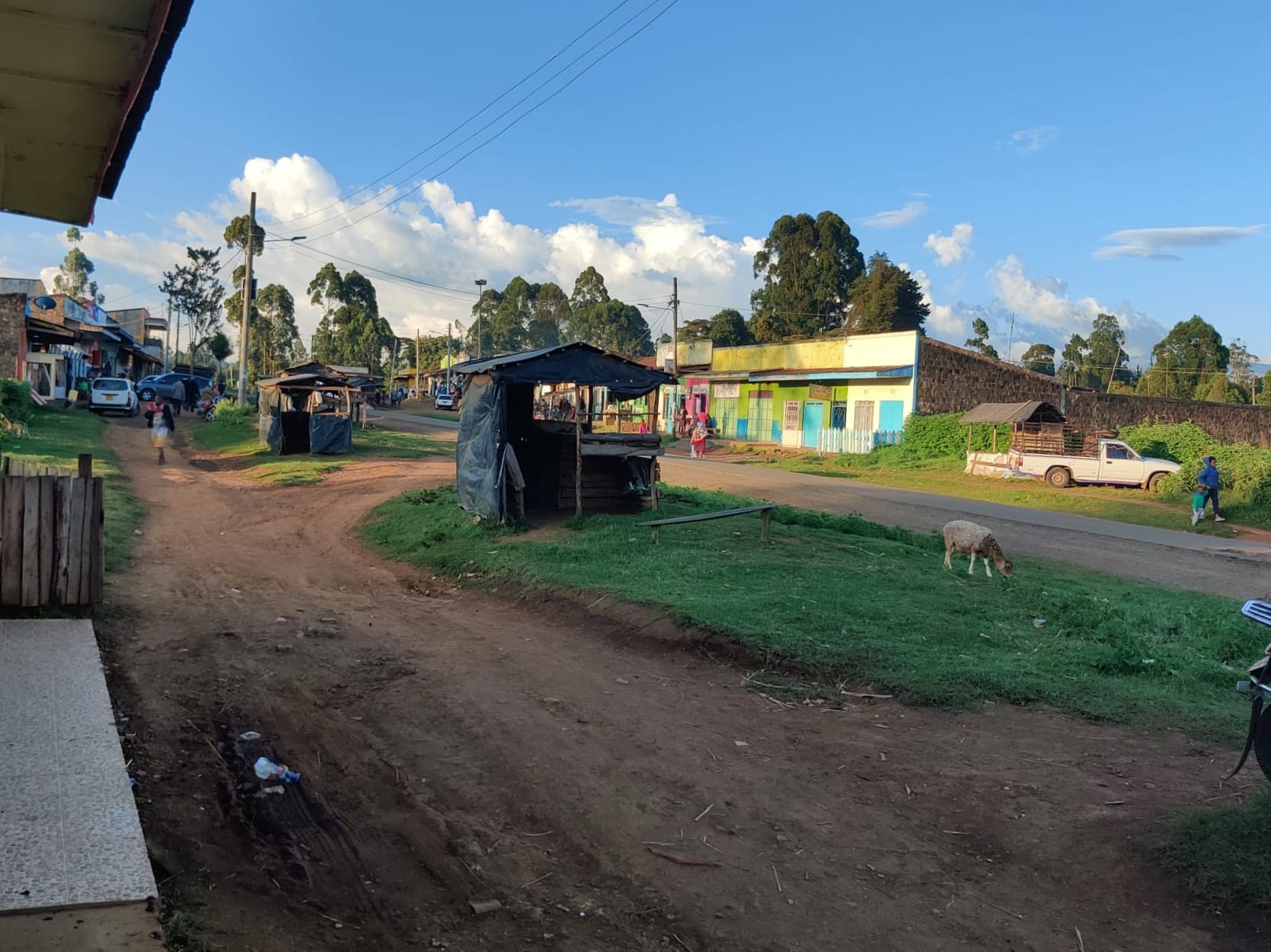
Understanding how farmers cope with environmental and socio-economic change and how they are envisioning their future has been at the core of the focus group discussions held in the Kilombero Valley in February 2019.
The seasonal variability of water availability, the benefit of irrigation, and general farm practices have been the foci of the discussions. The interviews explore the dynamic interaction between farmers and water to highlight their decision rationales. Their current efforts are closely related to their hopes and visions for the future. Furthermore, the impact of past events and activities on local and on national scale influenced farmers’ practices.
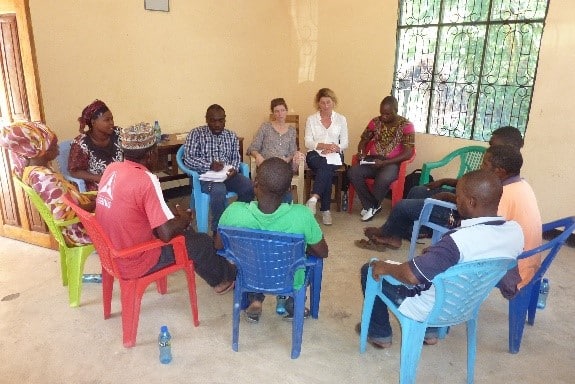
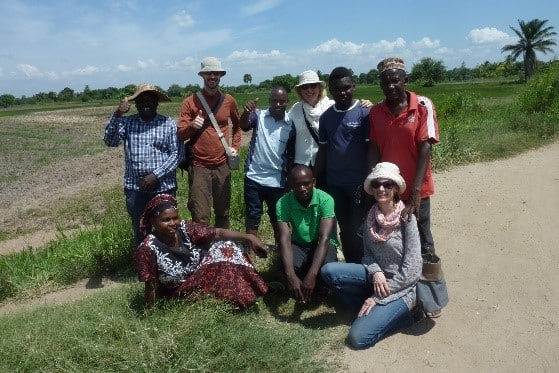
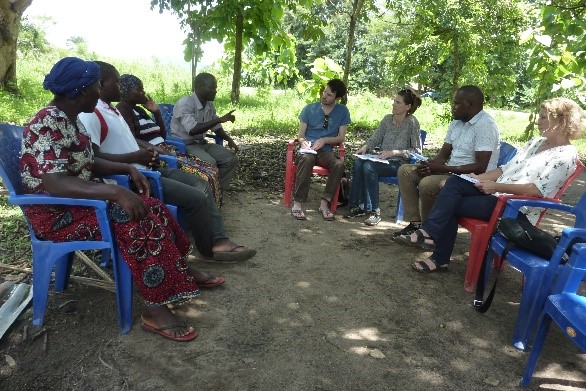
The participants of the focus group covered a broad range of different environmental and also socio-economical settings. We conducted three focus group discussions in villages with irrigation schemes at different stages of implementation and maintenance. As a contrast, we also interviewed rain-fed only farmers at two other villages with different access to resources. In general, the focus group members covered young and old farmers, male and female, small and medium scale plot users, landowners and tenants.
The discrepancy between national visions, good agricultural practices and actual farming practices became especially visible in transect walks with the focus group members through their fields. Factors of constraints, challenges and limitations were illustrated and elaborated.
Finally, the link between the focus group discussions and the transect walks highlighted the influencing factors which might hinder or foster the envisioned future and hopes of each participant.
This fieldwork was initiated by the geographers and hydrologists of the A03 Agro-Futures sub-project Prof. Mariele Evers, Dr. Britta Höllermann and Kristian Näschen. In the field, we have been supported by our colleague Naswiru Tibayendela, Ph.D. candidate (supervisor Prof. Mathias Becker) and agronomist for A03 and also by Ernest Thomas, Master student of Environmental Management from Mzumbe University.