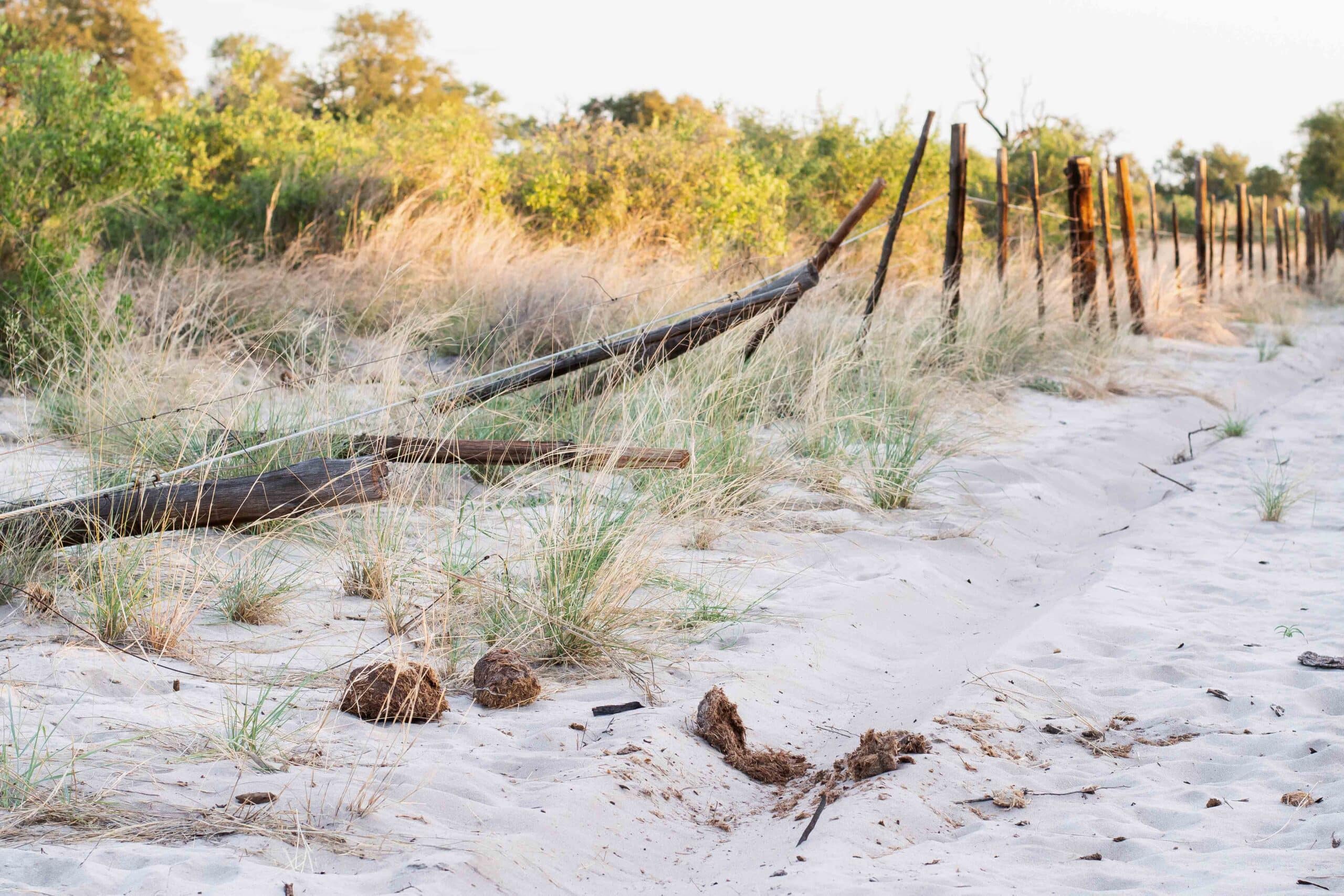
This publication examines how understandings of foot-and-mouth disease (FMD) in Botswana during the 1960s–70s were shaped by colonial and postcolonial contexts, showing how local veterinary practices and interactions with African buffalo redefined the disease’s origins. It challenges the dominance of British FMD concepts by offering a more localized, historically and geographically nuanced account of how global disease policies affect Southern Africa.
Provincialising Foot-and-Mouth Disease: The Construction of the African Buffalo as Disease Reservoir in Botswana, 1961–1976
By Wisse van Engelen (Project A04 “Future Conservation“), Andreas Weber (University of Twente), and Esther Turnhout (University of Twente).
Abstract
Global foot-and-mouth disease (FMD) control policy is largely based on nineteenth-century British ideas about the disease. This partiality risks creating the impression that these ideas of the disease are universal. In this article, therefore, we provincialise the notion of FMD by describing how veterinarians came to know the disease in colonial and postcolonial Botswana. Specifically, we focus on the 1960s and 1970s to write a postcolonial, more-than-human history that details how the African buffalo was identified as the reservoir host for the disease. We point to the local interactions between veterinarians and the buffalo, but also describe the ‘external’ pressure that veterinarians felt to find a culprit. As such, we present a geographically nuanced and historically informed understanding of FMD that challenges the assumed universality of British ideas about FMD, and exposes the ways in which these ideas shaped and continue to shape environmental and socio-economic realities in Southern Africa.
Reference
Van Engelen, W., Weber, A., & Turnhout, E. 2025. Provincialising Foot-and-Mouth Disease: The Construction of the African Buffalo as Disease Reservoir in Botswana, 1961–1976. Global Environment, 0(0), 1-29. DOI