Crises and the futures of rural areas
The past months and years have led us to questioning the nature of what we consider normal and what we consider a crisis. The COVID crisis, the war and its consequences, the climate crisis, they are all changing the way we think about the world and act in it. How do these rapid changes affect rural areas, and the ways rural areas are imagined? Is the rural newly in crisis or should it be considered as having long – or perhaps always – been in crisis, in sometimes under-illuminated ways? Or can we still think of the rural as a place of stability? Which crises pervade the rural and where and when did these crises originate? With regard to the currently most pressing crises, which of the things that were taken for granted about the rural are now being questioned? And, conversely, which new challenges and new paths and futures for the rural have been opened?
- What concepts, institutions, ideas, practices, hierarchies and divides have we been taking for granted in ways that are no longer possible? What are the new insecurities we’ll have to think and live with? What are the solids which have “melted into the air”?
- Resilience, adaptation, restoration, sustainability, solidarity, wellbeing: once these were buzzwords. What do we make of these concepts now – are they still useful? Do we need to rethink them or come up with brand new concepts? What is the role of language in the construction of rural sociological knowledge? Do crisis contexts require different methods of analysis?
- The current crises take place globally, but we still tend to think of the local/the rural as recipients, as the places where crisis arrives and must be dealt with. Can we change this? Can we think of the rural as an active agent of change? Will these changes endure beyond the crises and change established spatial relations?
- What is the place of rural areas in times of crisis? What mobilities and new spatial patterns are emerging out of the crisis? What values are people looking for in the rural? Can the rural fulfil these affective needs, given its historical imbrication with evolving forms of capitalism and colonialism? What challenges and opportunities does the rural as place of refuge bring for people and places?
- What are the meanings of the rural in these ‘new normal’ times? Have the social, cultural, economic and political representations of the rural changed with the current crises?
- What are we learning about the global, national and regional centre-periphery relations throughout the multiple crises? How are these relations and their attributes shifting? What impacts do these crises have on the periphery and what does it even mean, to be on the periphery these days?
- How do these developments affect agriculture and farming families? What new dynamics emerge in the agriculture and food systems? What adaptation to the change in food chains can we expect? How has farming been affected by lockdowns, labour shortages, logistical issues, digitalisation and other changes?
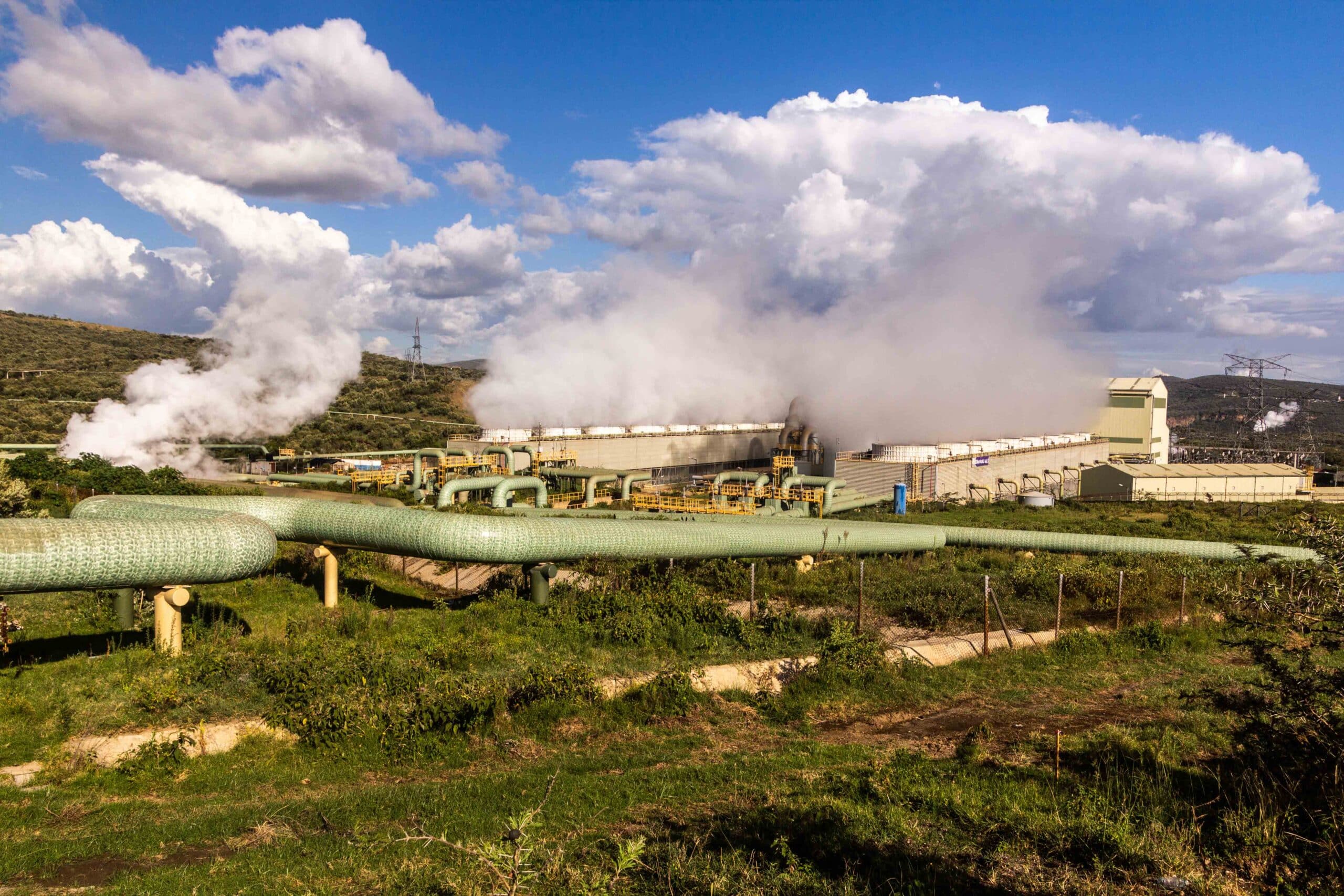
- What futures can we discern, in and from this time of crisis, for rural areas, in terms of food production, (mental) health, energy, community, planning, tourism, nature preservation, education, technology, diversity, … ? Will the rural areas be able to benefit from energy transitions and how? Will the crises produce alternative trajectories to neoliberal policies, or will these merely take new shapes?
Click here for calls for working groups (open until 5 October 2022)
Click here for registration.