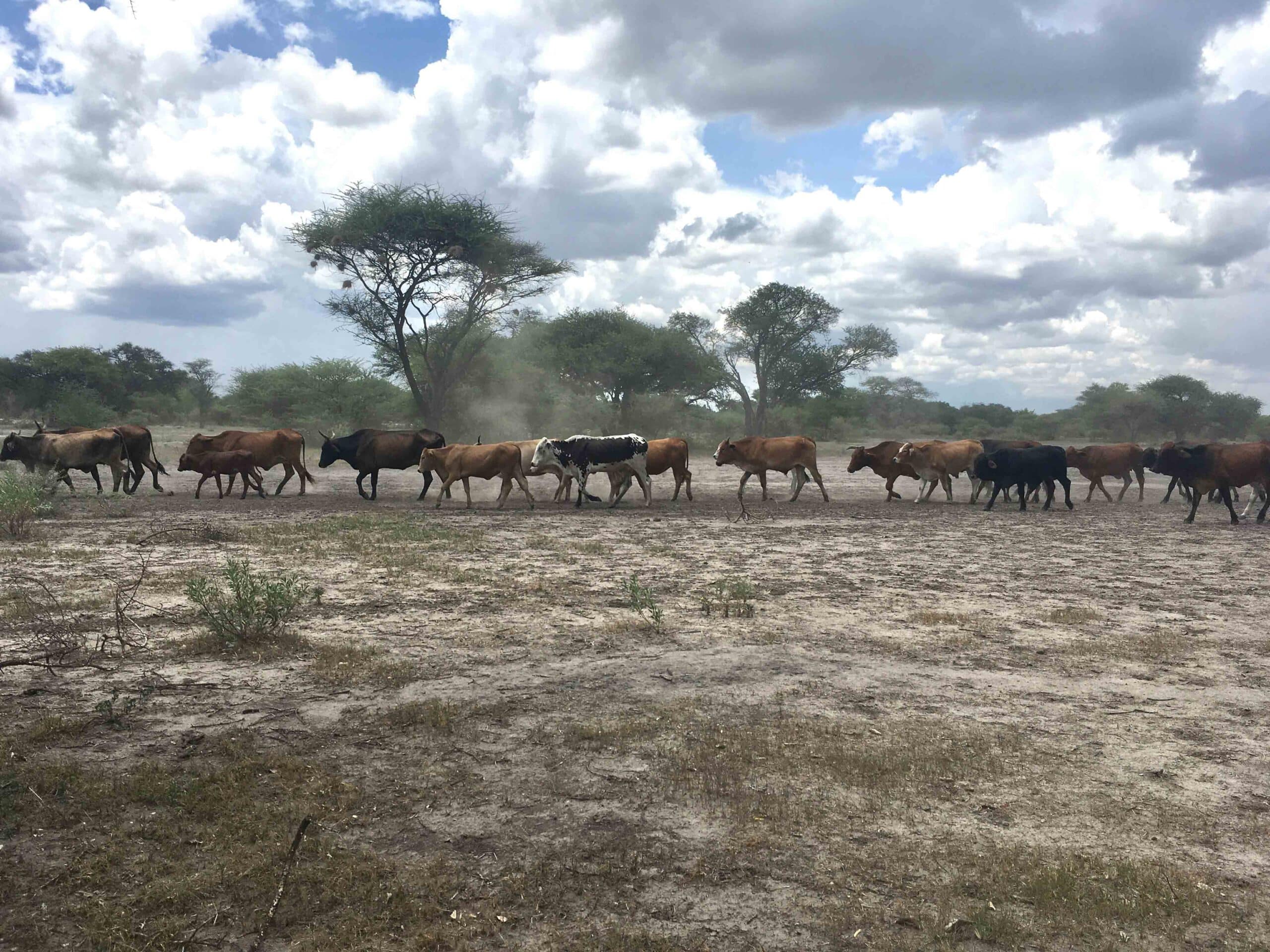
In this study, Evelyne Atieno Owino uses assemblage theory to examine how devolution has transformed the logic of pastoral conflict from reciprocal raiding into a strategy of governing through terror in the pastoral rangelands of northern Kenya. She argues that Kenya’s devolution reform, meant to promote fairness, has instead intensified ethnic conflict in northern pastoral regions by turning local governance into a system of territorial control enforced through violence.
Assemblages of terror and the policing of settlement boundaries: Devolution and the production of order in northern Kenya
By Evelyne Atieno Owino
Abstract
The 2010 Constitution of Kenya established devolution to address historical marginalization and promote equitable development. However, in the pastoral rangelands of northern Kenya, this reform has unintentionally functioned as a violent territorializing machine, reassembling governance into exclusionary ethnic orders. This paper uses assemblage theory to examine how devolution has transformed the logic of pastoral conflict from reciprocal raiding into a strategy of governing through terror. Based on qualitative research conducted between 2022 and 2024 in the contested borderlands of Amaya and Lorogon, at the intersections of Samburu, Baringo, Turkana, and West Pokot counties, the study reveals how boundary-making has militarized the commons. The paper demonstrates that violence has evolved from an economic survival strategy (livestock rustling) into a political technique of territorial control, characterized by sieges, maiming, and targeted killings designed to displace rival communities. The findings show how the territorialization of ethnicity has reconfigured fluid pastoral spaces into rigid war machines, where county elites, security actors, and armed warriors assemble to enforce boundaries that administrative maps cannot guarantee. The analysis concludes that devolution has not merely decentralized power but has institutionalized a violence assemblage, turning the county unit into a vehicle for ethno-territorial dominance and dispossession.
Reference
Owino, E. A. 2026. Assemblages of terror and the policing of settlement boundaries: Devolution and the production of order in northern Kenya,
Journal of Rural Studies, Volume 124, 2026, DOI