Call for contributions to a special issue of Third World Quarterly
Abstract of the special issue:
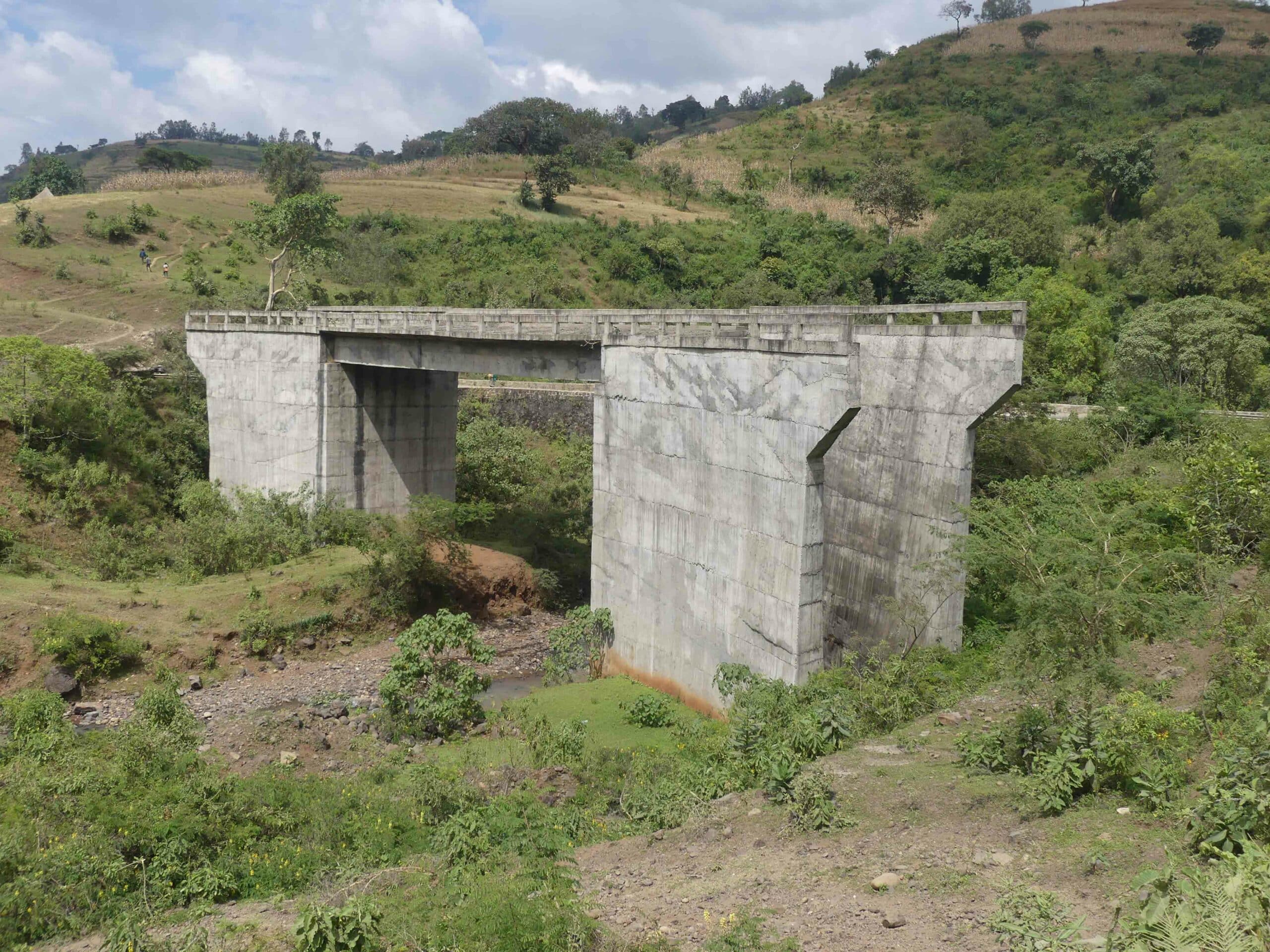
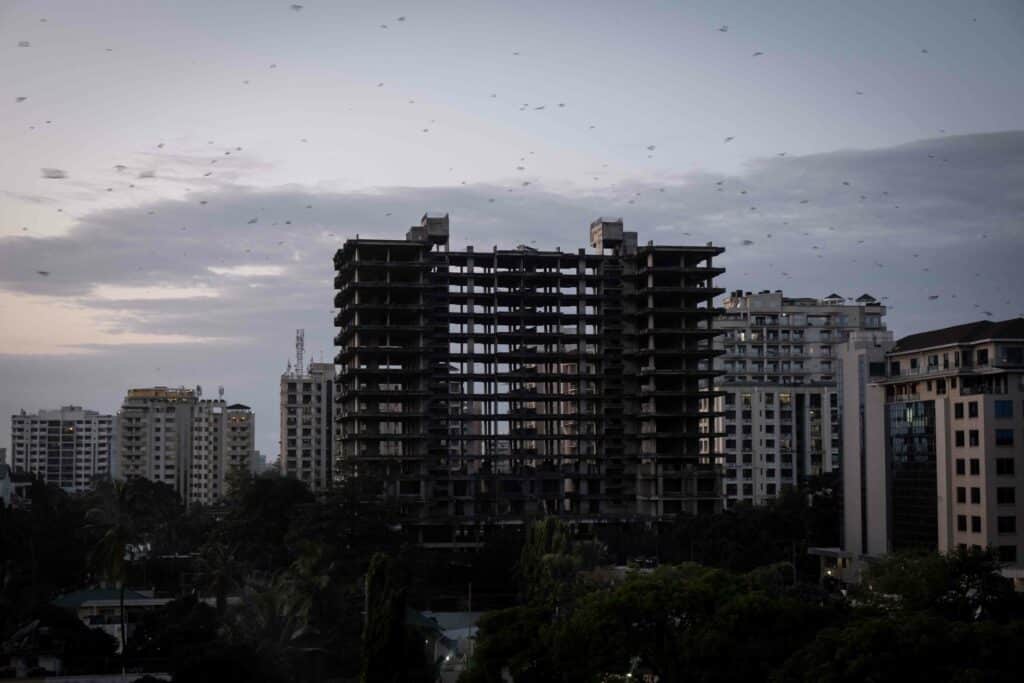
Many low-income countries are spotted by ruins of development and the sites of projects that never materialized. These “ghost projects” question the teleology of development and its unfulfilled promises. Dams that have been on the agenda for decades, roads that exist only on maps, canals without water – all these more or less invisible phenomena are traces of imagined futures that did not unfold, at least not as planned. While failed or postponed infrastructure projects may be disappointing for planners and developers, this is not necessarily the case for the local communities that would have been most affected if the project had gone ahead. And yet ghost projects are not just things that didn’t happen. Even when they do not materialise, they leave traces in terms of follow-up costs, frustration and prolonged uncertainty, but in some cases also opportunities for alternative developments. The contributions to the special issue investigate the history and significance of “ghost projects” especially in the Global South based on empirical examples. They address a number of questions:
- How do the ruins of failed development projects and the ghosts that haunt them influence contemporary practices of future-making?
- How common are deviations from original plans, and what does this tell us about the creativity of future-making at local as well as national scales?
- How are such plans locally appropriated and filled with life?
- To what extent do ‘ghost projects’ repeat histories of neglect and ruination for marginalized people, and offer openings for contentious re-imaginations of what was and could be?
- How are visions and “dreamscapes of modernity” translated into practices of future-making, even if the originally aspired future is not achieved?
The special issue makes a contribution to development studies by interpreting “development” in terms of future-making. It revisits the notion of development through the lens of futures studies. By focusing on failed and incomplete development projects, and the unintended side-effects of development, the case studies address such aspects as aspiration and the “capacity to aspire” (Appadurai 2013), “dreamscapes of modernity” (Jasanoff and Kim 2015), “fictional expectations/imagined futures” (Beckert 2016), and “ruination” (Aalders 2020; Lesutis 2022). The geographical focus on the Global South invites contributions to a burgeoning literature on the relationship between failed and abandoned development projects and the “ruins of empire” (Stoler, 2013). Contributions in this special issue study specific infrastructural development projects and the ruins they leave behind. They thus contribute to recent advancements in the critical scholarship of the future by anchoring debates about socially constructed future imaginaries in the concrete and material artefacts left behind by ‘ghost projects’ (see for example: Müller-Mahn, 2020; Ramakrishnan et al., 2021; Yarrow, 2017), with a complimentary focus on “unbuilt or unfinished” projects (Carse & Kneas 2019), and “development in waiting”.
Deadlines and instructions for authors
The guest editors invite contributions that address the topic described in the abstract above, especially by authors from the Global South. Articles with a focus on Asia and Latin America are particularly welcome. Articles should be no more than 8000 words, inclusive of abstract, references and endnotes. Please consult the instructions for authors on the TWQ website:
• March 22nd 2024: Deadline for submitting abstracts to the guest editors
• May 16th 2024: submission of articles to the guest editors for an optional internal review
• June 21st 2024: Final deadline for article submission to TWQ via the journal’s submission portal
Please send your abstract to the guest editors:
Detlef Müller-Mahn, mueller-mahn@uni-bonn.de
Eric Kioko, kioko.eric@ku.ac.ke
Theo Aalders, aalders@uni-bonn.de