Of aid and trade

By: Maximilian Meyer, Project A01 Future Carbon Storage.

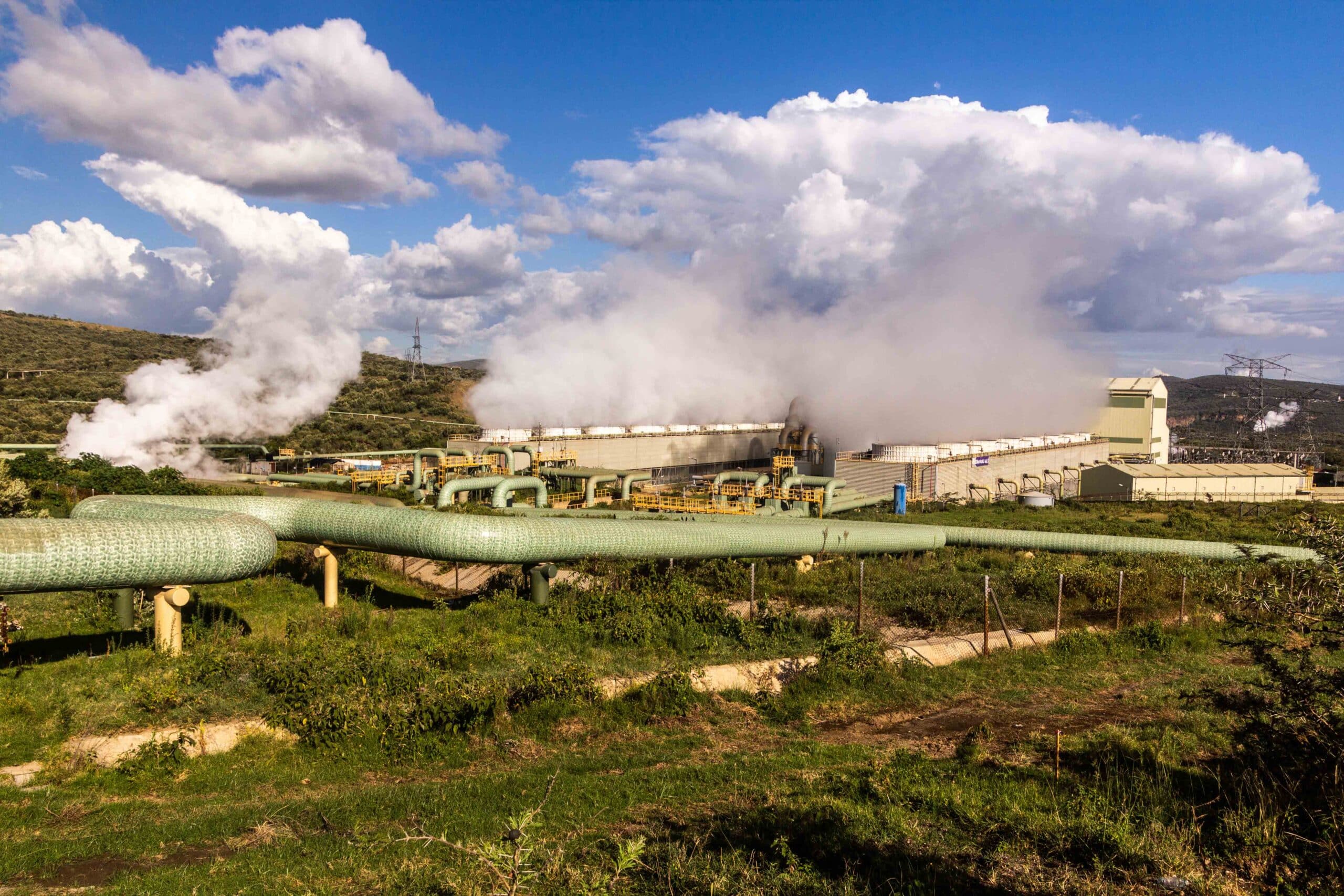
Dambisa Moyo’s seminal book Dead Aid is the antidote to past and current development strategies of western countries for Africa: development aid. Moyo’s solution? Foreign direct investment and trade intended to solve desolate economic situations of African countries. Dorninger et al. (2020) shed new light on trade of resources and associated trade policies, giving a bitter taste to trade as a solution: high-income countries are effectively net appropriators of resources, generating monetary surplus. This observed inequality is systematic and to the detriment of the global poor, as low-income countries experience monetary trade deficits. Current trade policies, therefore, reinforce global economic inequality, consequently affirming power structures and asymmetries in global trade. Could the ‘resource curse’ phenomenon be a symptom of global unequal exchange? Negotiations of trade and free trade agreements surely need to focus on fairness and equity to overcome this poverty paradox.

References

Dorninger, C., Hornborg, A., Abson, D. J.; von Wehrden, H., Schaffartzik, A., Giljum, S., et al. (2021): Global patterns of ecologically unequal exchange: Implications for sustainability in the 21st century. In Ecological Economics 179, p. 106824.

Moyo, D., (2010): Dead aid. Why aid is not working and how there is another way for Africa. London: Penguin.

 

More CRC News

cover for a web post

Online Workshop: Commitment, Courage, Curiosity: How to be(come) an Inclusive Leader

On November 7 and 14, 2025, the Board for Gender Equality and Diversity hosted the online workshop “Commitment, Courage, Curiosity: How to be(come) an Inclusive ...
Read More »
a researcher drilling a hole in a tree with a manual drill

Wood Density Varies More Within Species than Previously Recognized, Global Analysis Shows

Wood density is an important plant functional trait to understand how trees everywhere in the world grow, compete with each other, persist or are affected ...
Read More »
kibagare area in nairobi, kenya

Power, Land, and Informality: How Cartels Shape Governance and Urban Life in Nairobi’s Informal Settlements

Valentine Opanga and Detlef Müller-Mahn (Project C03 “Green Futures”) examine how land cartels operate as powerful, embedded actors in Nairobi’s informal settlements, shaping land access, ...
Read More »
cover for a web post

New Publication: The Politics of Suspended Infrastructure in Kenya

Uroš Kovač (Project B04 “Framing Futures”) examines stalled construction projects in Kenya—focusing on the suspended renovation of Kamariny Stadium—to show how “suspension” functions as a ...
Read More »
logo of the cologne international forum

Cologne International Forum Grants: Innovative Tandem Collaborations

The University of Cologne will be awarding five project grants (€ 15,000 each) annually for project-related innovative tandem collaborations between University of Cologne-based academics and ...
Read More »
Scroll to Top