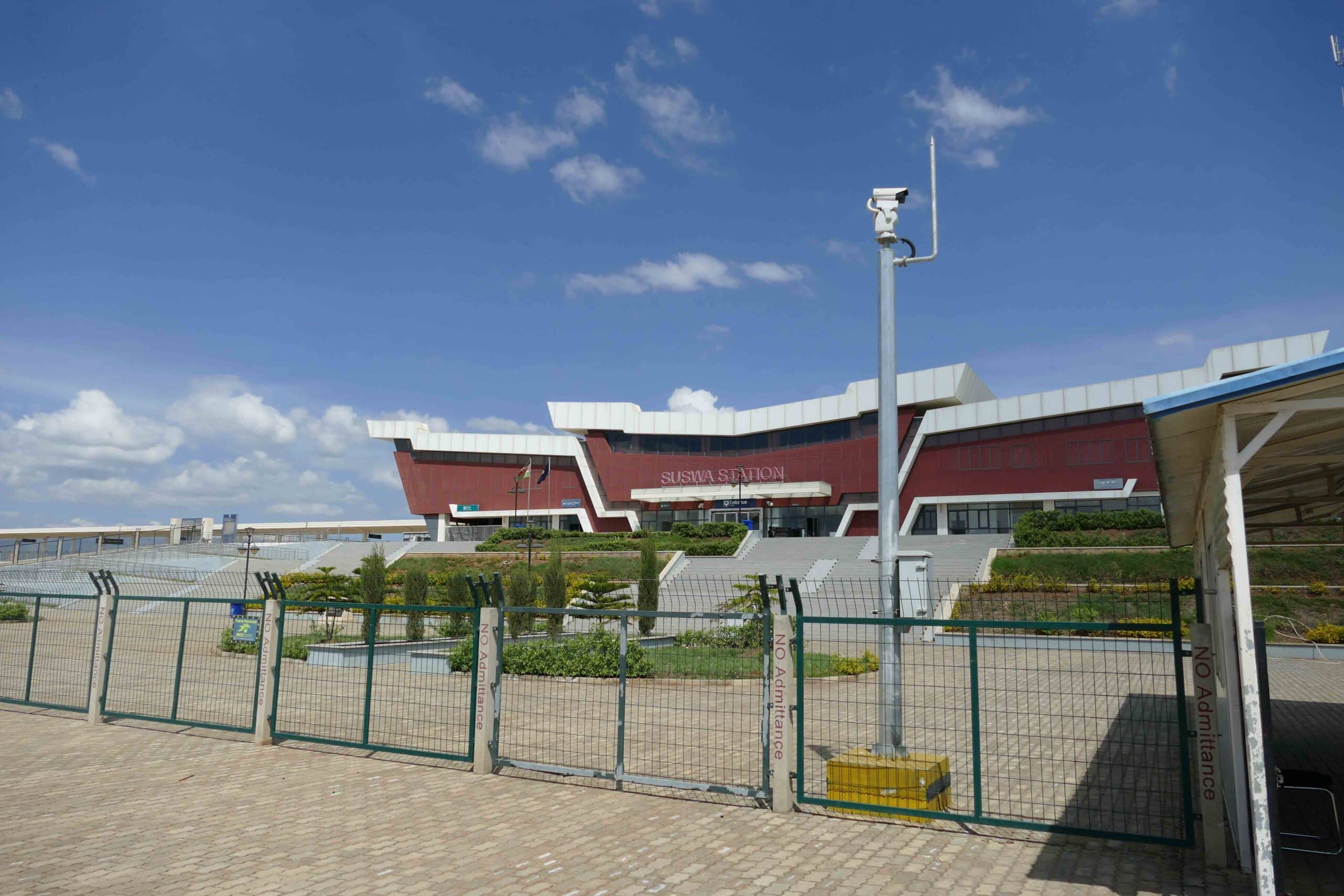
In this new publication, Eric Kioko (Project C03 Green Futures) and Winnie Changwony (Kent State University) examine the impact of government-led megaprojects on communal land and conservation areas in rural Africa, focusing on how infrastructure development, such as the LAPSSET corridor in Kenya, reshapes land tenure, power dynamics, and socio-cultural relations. It highlights how various actors exploit institutional changes to privatize common lands, often leading to conflict and resistance, and emphasizes the overlooked consequences of such projects on community-managed natural resources.
Infrastructure-driven land appropriation, institutional change and conflict in a communal conservancy in Kenya
By Eric Kioko and Winnie Changwony
Abstract
The construction of government-led megaprojects, particularly in the energy, transport, water and technology sectors, is booming in Africa to support fast-growing economies. Rural areas are a key focus for the development of megaprojects due to the perceived availability of space. Whether at the planning or implementation stage, expectations of infrastructure, including valorization and connectivity, fuel anticipatory behavior and speculation, leading to the convergence of different actors with different interests. This article explores how infrastructure reconfigures land tenure and changes power dynamics in community-owned conservation landscapes that fall victim to infrastructure construction. It examines how actors and strategic groups appropriate and privatize the commons by exploiting and influencing institutional change, and how these processes are contested and resisted. The impact of megaprojects on communally owned and managed natural resources has received little scholarly attention, particularly in Africa, despite the global push to expand protected areas. Using the proposed Isiolo section of the Lamu Port South Sudan Ethiopia Transport Corridor (LAPSSET) in Kenya as a case study, we show how asymmetric power relations and conflict define infrastructural frontiers as different actors exert influence and compete for strategic interests prior to project implementation. We argue that infrastructure reconfigures property rights regimes, socio-cultural relations, and shifts power and conflict dynamics in these fragile ecosystems, threatening their very existence.
Reference
Kioko, E., Changwony, W. 2025. Infrastructure-driven land appropriation, institutional change and conflict in a communal conservancy in Kenya, World Development, Volume 195, 2025, 107089, DOI