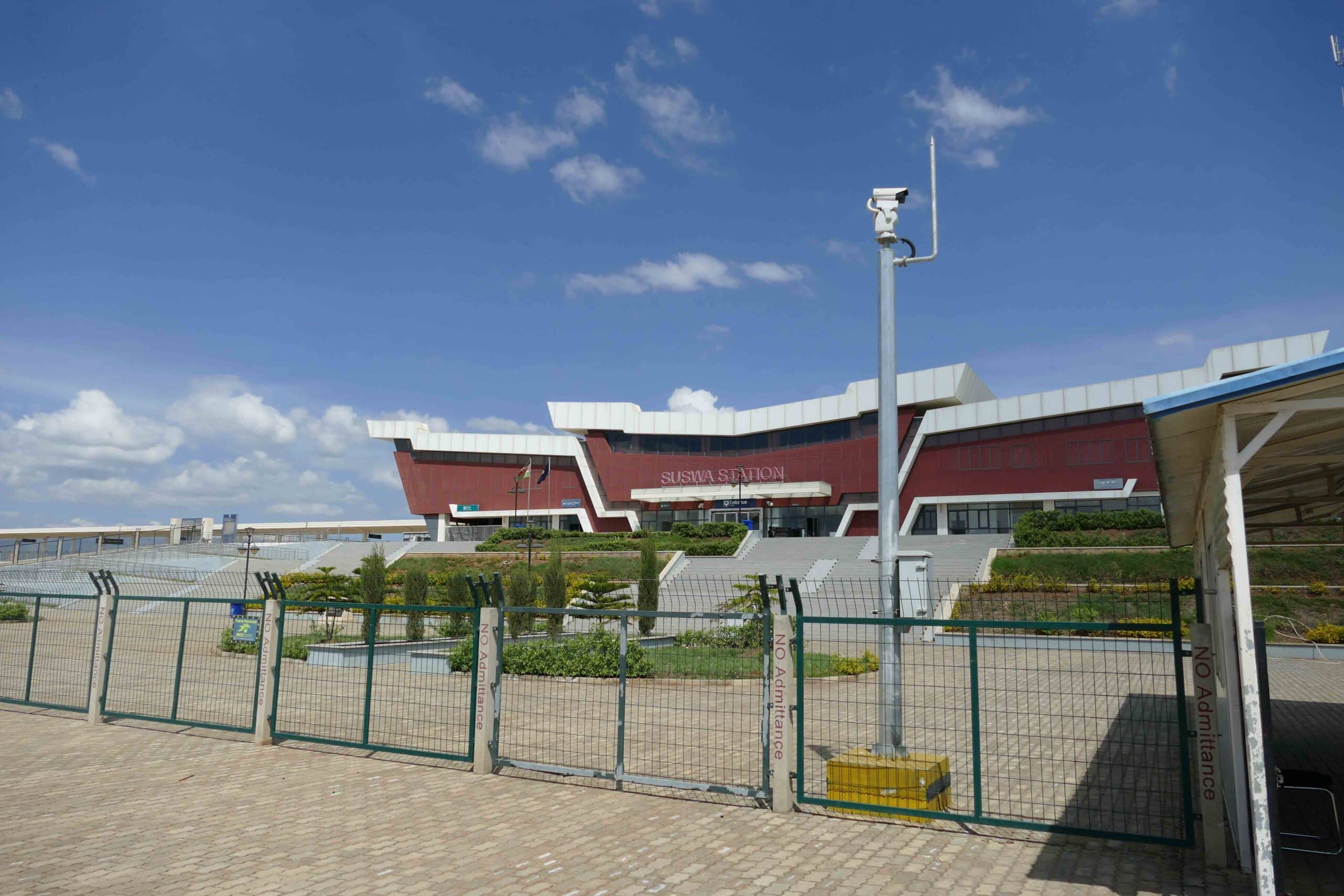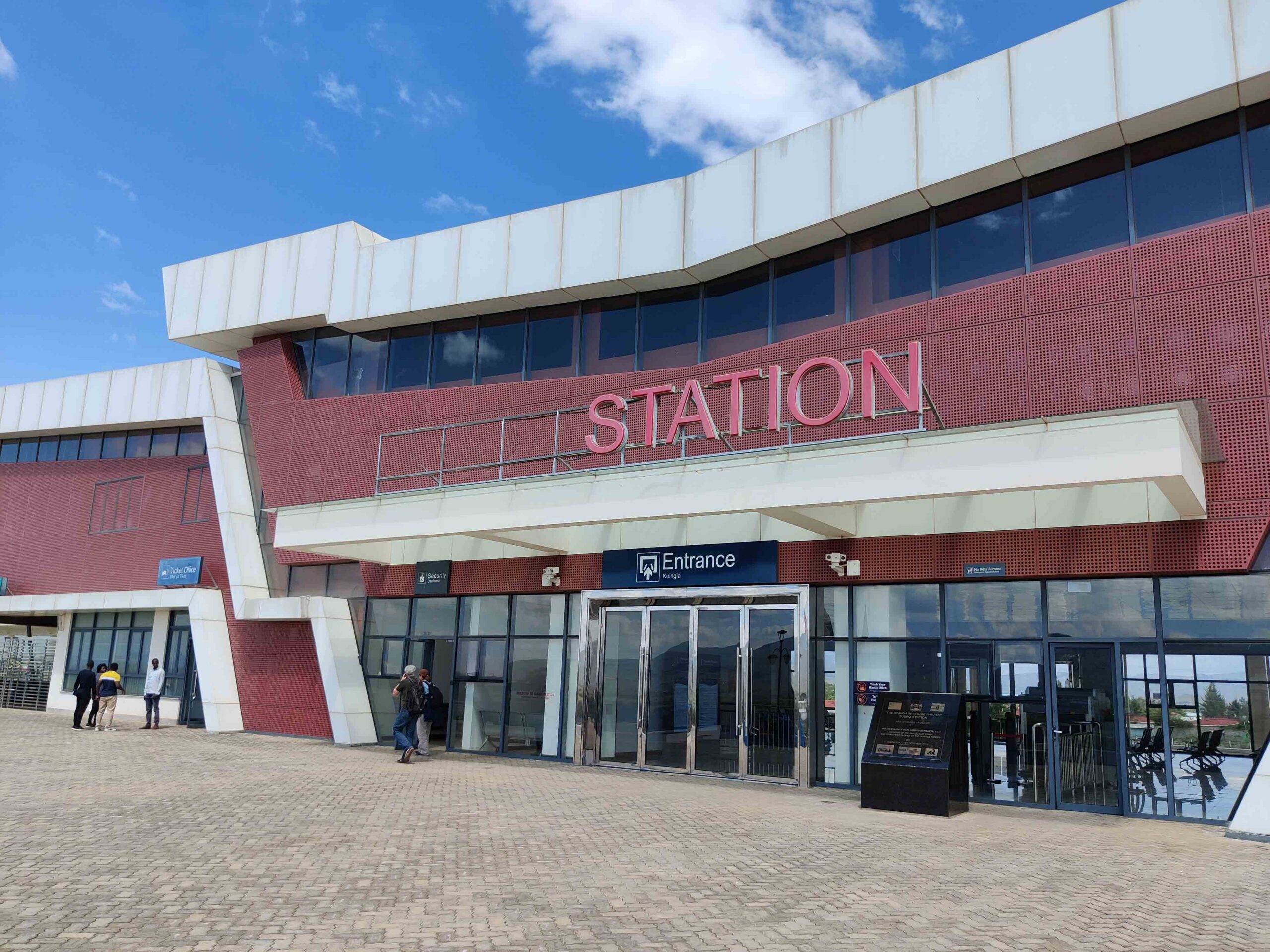
Kennedy Mkutu, Evelyn Owino and Conrad Schetter from sub-project B03 Violent Futures and Tessa Mkutu examine how Kenya’s Nairobi–Mombasa Standard Gauge Railway (SGR) has affected land tenure and dispossession in Voi town, revealing that large infrastructure projects can deepen inequalities through land commodification and elite accumulation. The study finds that while private land titles offer some security, they also promote speculative sales, whereas group tenure—especially through Community Land Trusts—provides stronger protection against dispossession.
Double Gain, Double Loss: Property Rights and Dispossession Surrounding Kenya’s Rail Project
By Kennedy Mkutu, Evelyn Owino, Conrad Schetter and Tessa Mkutu
Abstract
There is growing interest in how rural transformations due to mega-infrastructure projects in Africa are causing widening inequalities. We examine the impact of Kenya’s Nairobi–Mombasa standard gauge railway (SGR) on land tenure, property rights, and dispossession in Voi town, southeastern Kenya. Drawing from frontier and neo-colonial theoretical perspectives, we argue that large-scale infrastructure projects in Africa facilitate resource extraction and deepen local inequalities through land commodification, speculation, and elite accumulation. Through an ethnographic case-study approach involving fieldwork, interviews, and focus group discussions, the research highlights the complex interplay between infrastructure development and tenure insecurity. By analysing three cases we show how different land tenure systems—private, group, and public land—offered varying degrees of protection and vulnerability. We find that while private titling provides some security, it also encourages speculative sell-outs, exacerbating inequalities. Group land tenure arrangements, including a novel Community Land Trust (CLT) model, offer more robust protection against dispossession and fragmentation. We conclude with policy recommendations for stronger legal frameworks, including proactive land governance frameworks surrounding infrastructure projects, better protection of public land, and education on land rights, while calling for an inquiry into irregular land acquisitions surrounding the SGR itself.
Reference
Mkutu, K., Owino, E. A., Schetter, C., Mkutu, T. 2025-. Double Gain, Double Loss: Property Rights and Dispossession Surrounding Kenya’s Rail Project. Journal of World Affairs 1(1) 121-137. DOI