The killing of George Floyd in 2020 and the aftermath it caused, were a global turning point concerning issues of systemic racial discrimination. This injustice not only pointed to a rotten culture of police brutality in the USA but also reminded the world of the systemic and structural racial discrimination which minority groups and people of color face. Today, we argue that this marks a critical juncture; a major event that disrupted the existing balance of societies and politics globally – especially in western countries. This event has also shifted the focus of attention to broader concerns over diversity and inclusion within the CRC. Because discrepancies in race, gender, and diversity also have their manifestation in the workplace and academia, bringing this debate to the fore was critical and a pivotal undertaking for the CRC’s Gender Board.
We as the gender board have worked hard on gender issues since the start of the project in order to achieve a gender balance in research and academic professions. We do this by providing the necessary channels to support family commitments amongst our researchers. The three thematic pillars which guide our work are: support for female careers, raising awareness on critical gender issues as well as family support. These topics resulted in different actions throughout the years and included, among others, lectures on progressive masculinities and training and coaching workshops such as resilience training and voice and body coaching for both female and male researchers.
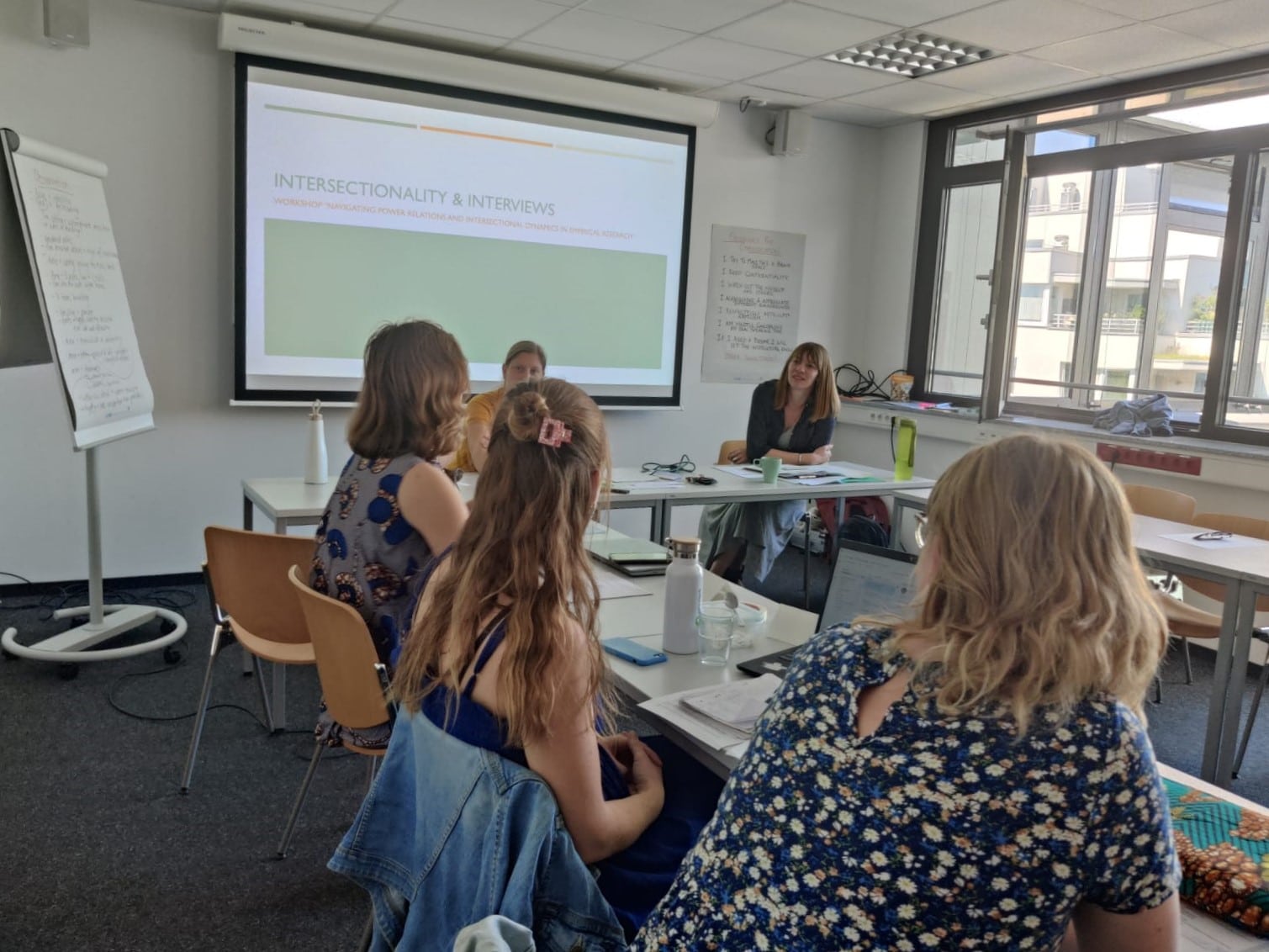
Envisioning topics of diversity and inclusion in the next phase of the project (2022 – 2025) is not only necessary but inevitable. As a first step, we have already started to include the topic through a workshop on unconscious biases. We were also able to set up a grant and award it to a female researcher.
While the tasks of inclusivity remain paramount, we are confident that every step forward is worthwhile. With this, we hope to have an impact on the current academic landscape and will continue to do so in the coming years.
More information about our body of work is accessible here.
By. Maximillian Meyer and Tracy Kariuki on behalf of the Gender Board