
In connection with the project C05 ‘Framing Futures’, we currently invite applications for a student assistant position for a period of 12 months in 2025. The workload is approximately 40 hours per month (SHK) or 36 hours (WHB) or 29 hours (WHK) according to the current salary scheme for SHK/WHK/WHB.
The number of hours is flexible to some extent, but the duration of the contract is not. Activities include the co-organisation of a workshop in project C05 (scheduled for the end of September 2025), general office tasks and literature research. Students can also write their thesis within the thematic framework of project C05.
Click here for more information.
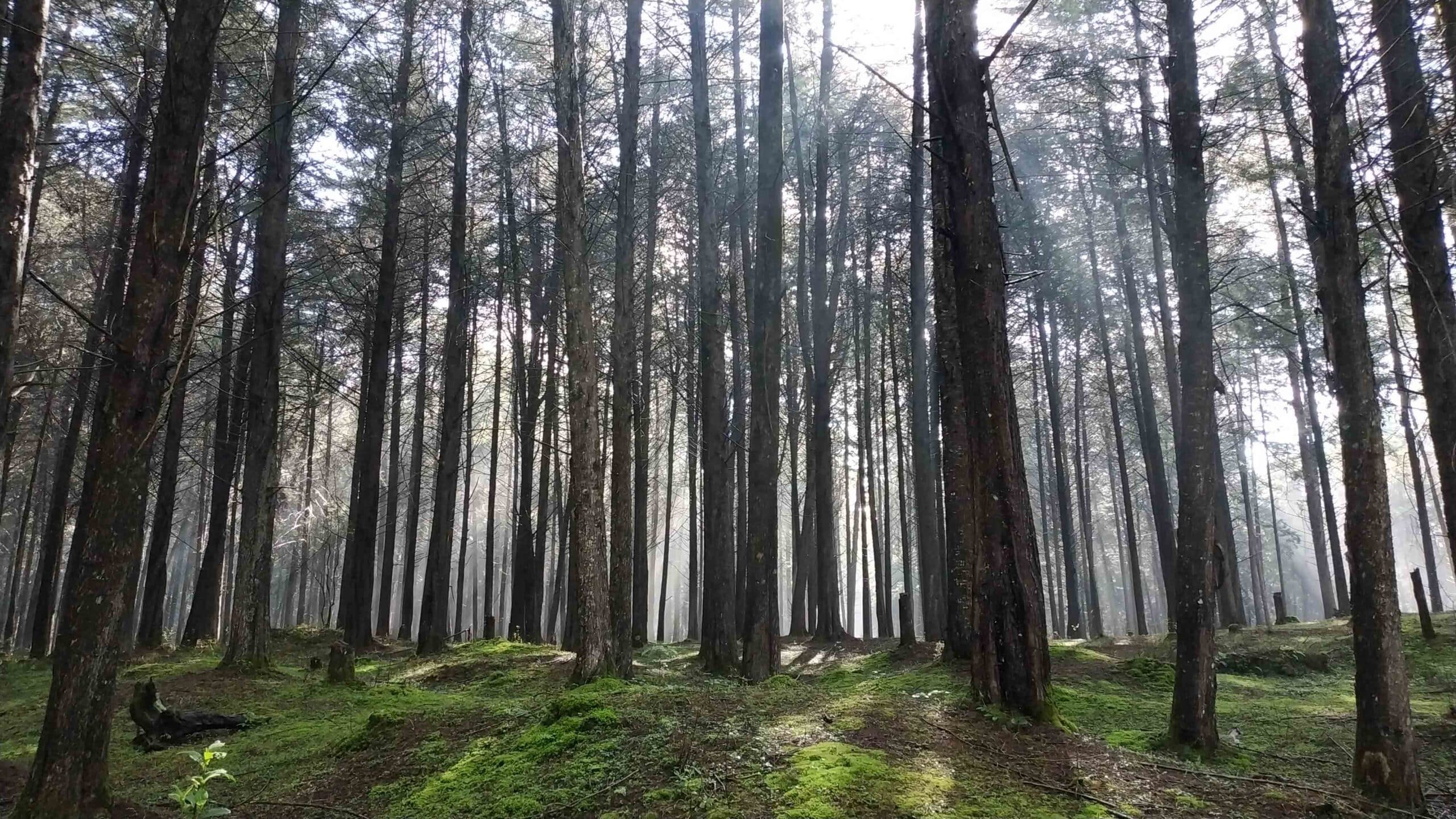
Indigenous Rights and Forest Conservation in Kenya
In this paper, Léa Lacan (Project A04 “Future Conservation), Marie Müller-Koné (Project B03 “Violent Futures) and King’asia Mamatia (University of Cologne) examine how indigenous communities ...
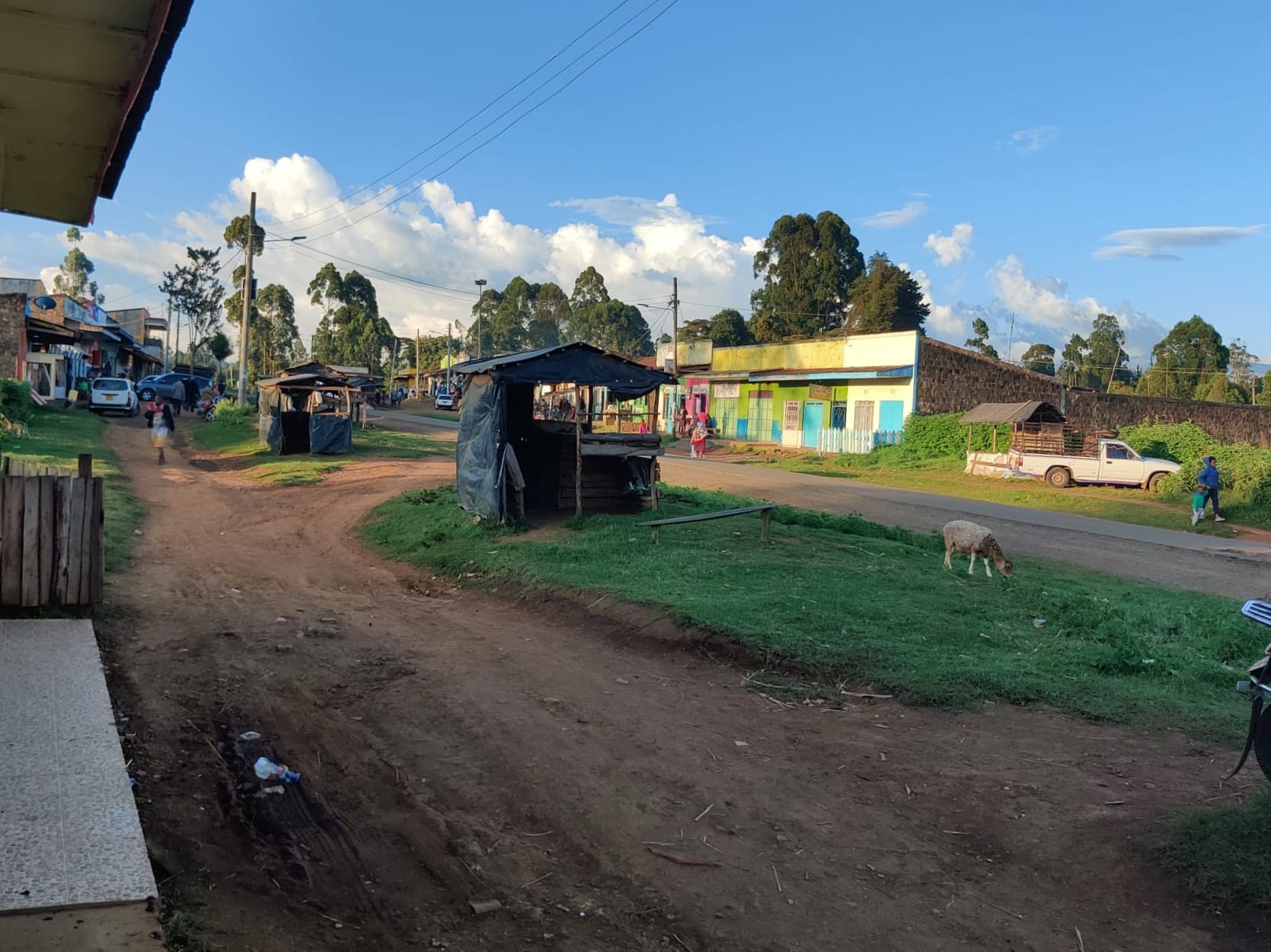
Beyond Economic Growth: Development and Life Satisfaction among Tanzanian Smallholder Farmers
This article by Victoria Luxen, Moses Ndunguru and Peter Dannenberg from our sub-project C01 “Future in Chains” examines how agricultural development affects the life satisfaction ...

Gideon Tups, Richard Mbunda, Moses Ndunguru & Peter Dannenberg Receive Best Paper Award
Gideon Tups, Richard Mbunda, Moses Ndunguru and Peter Dannenberg (Project C01 “Future in Chains”) have recently been awarded the Best Paper Award by the Standort ...
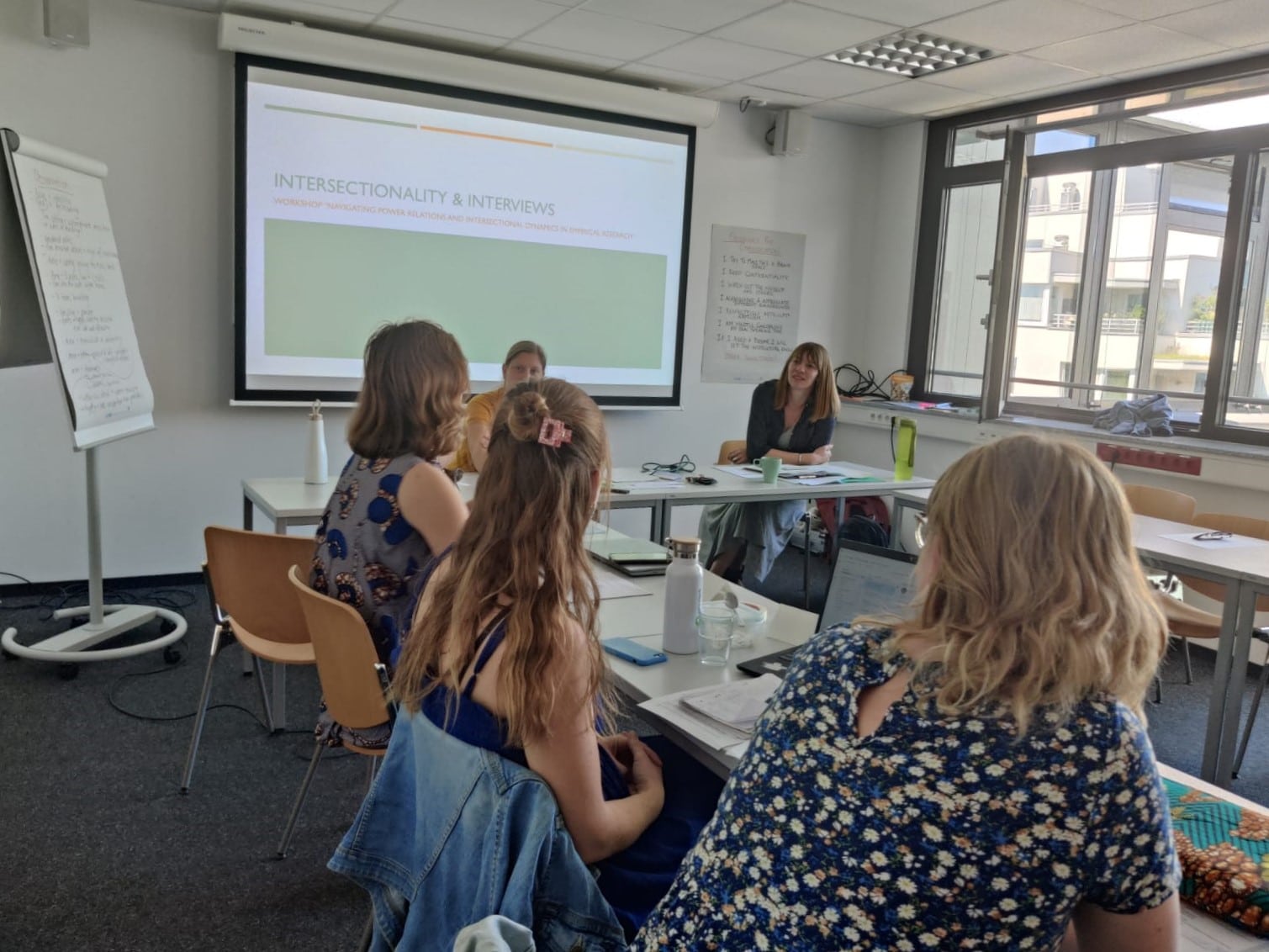
“Navigating Power Relations and Intersectional Dynamics in Empirical Research”: Reflections on a Workshop on Positionality, Diversity and Intersectionality
By Marie Müller-Koné, Project B03 “Violent Futures” In June 2025, the workshop “Navigating Power Relations and Intersectional Dynamics in Empirical Research”, led by antidiscrimination expert ...
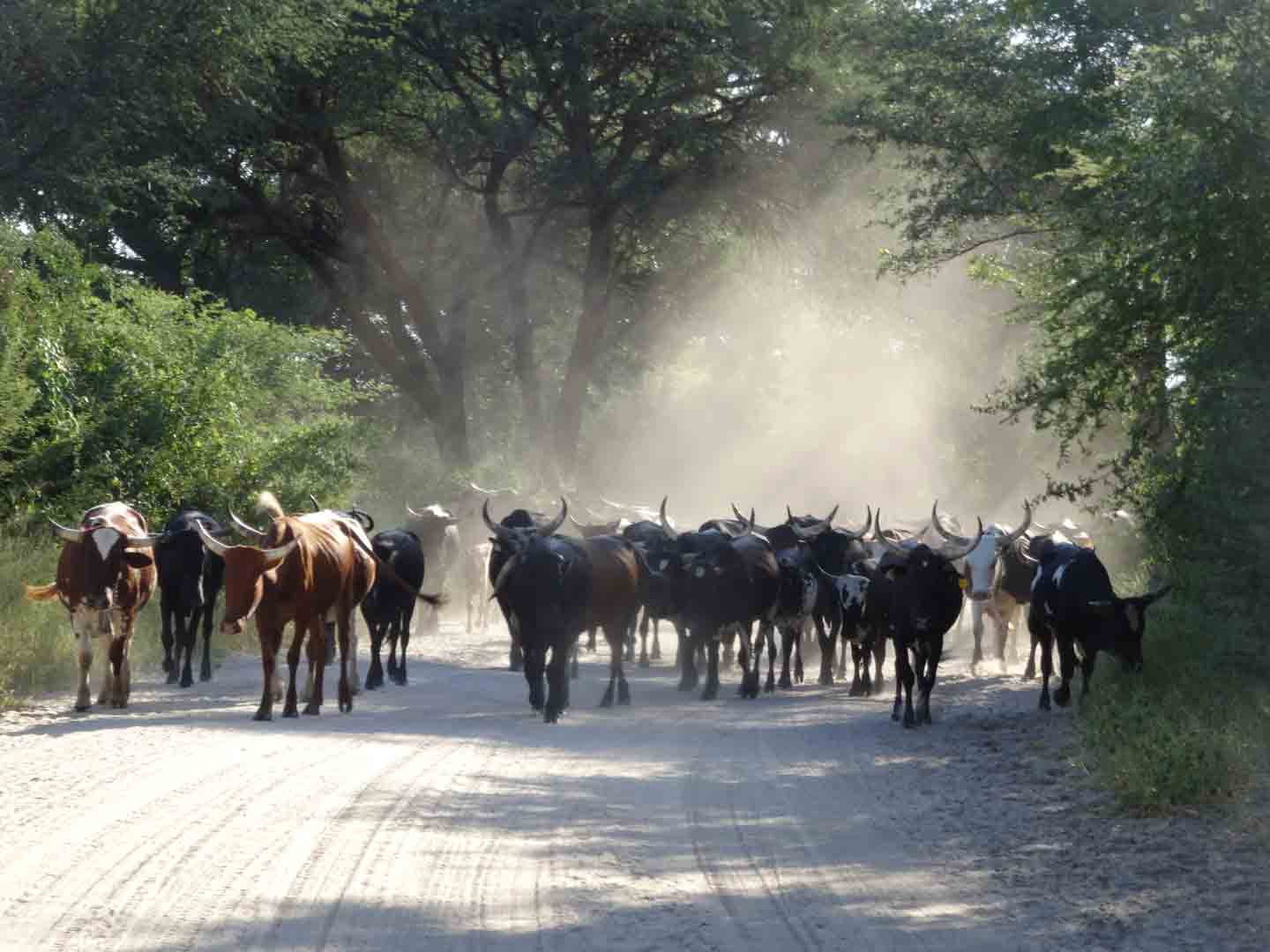
New Publication: Rift Valley Fever Exposure Identified in Namibia’s Zambezi Region
This study, conducted by scientists from the University of Namibia in cooperation with researchers of our sub-project B02 “Future Infections”, investigates overlooked causes of febrile ...