By Linus Kalvelage & Carolin Hulke
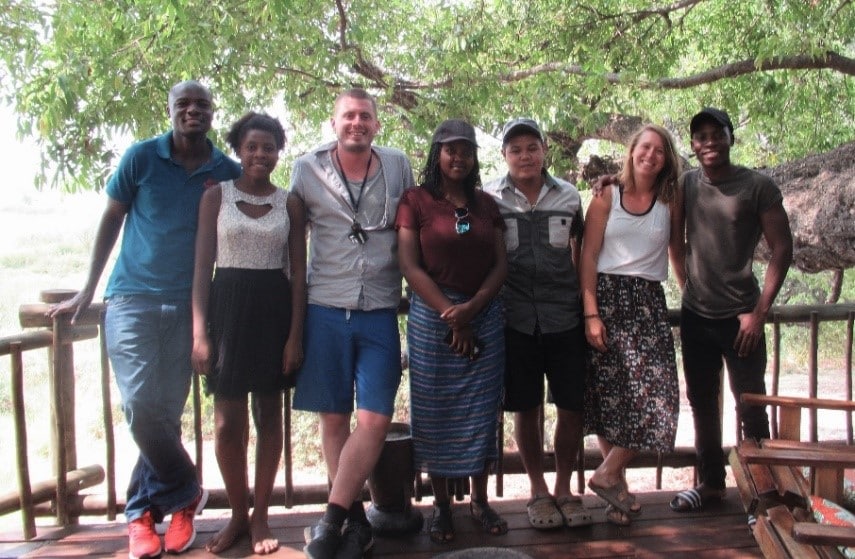
Thanks to the very vital collaboration with our research partners from the Wildlife Management and Ecotourism Department of the University of Namibia (UNAM) in Katima Mulilo, lecturer Jim Kairu and Head of Department Dr. Ekkehard Klingelhoeffer, the two geography doctoral candidates Carolin Hulke and Linus Kalvelage have completed the first phase of data collection in Northern Namibia. From September to mid-November they worked closely with the Wildlife Management and Ecotourism Department of the University of Namibia (UNAM) campus in Katima Mulilo on their respective research questions. Together with the two UNAM graduate researchers Pauline Mungindei and Image Katangu, the team conducted intensive field research in the Zambezi region.
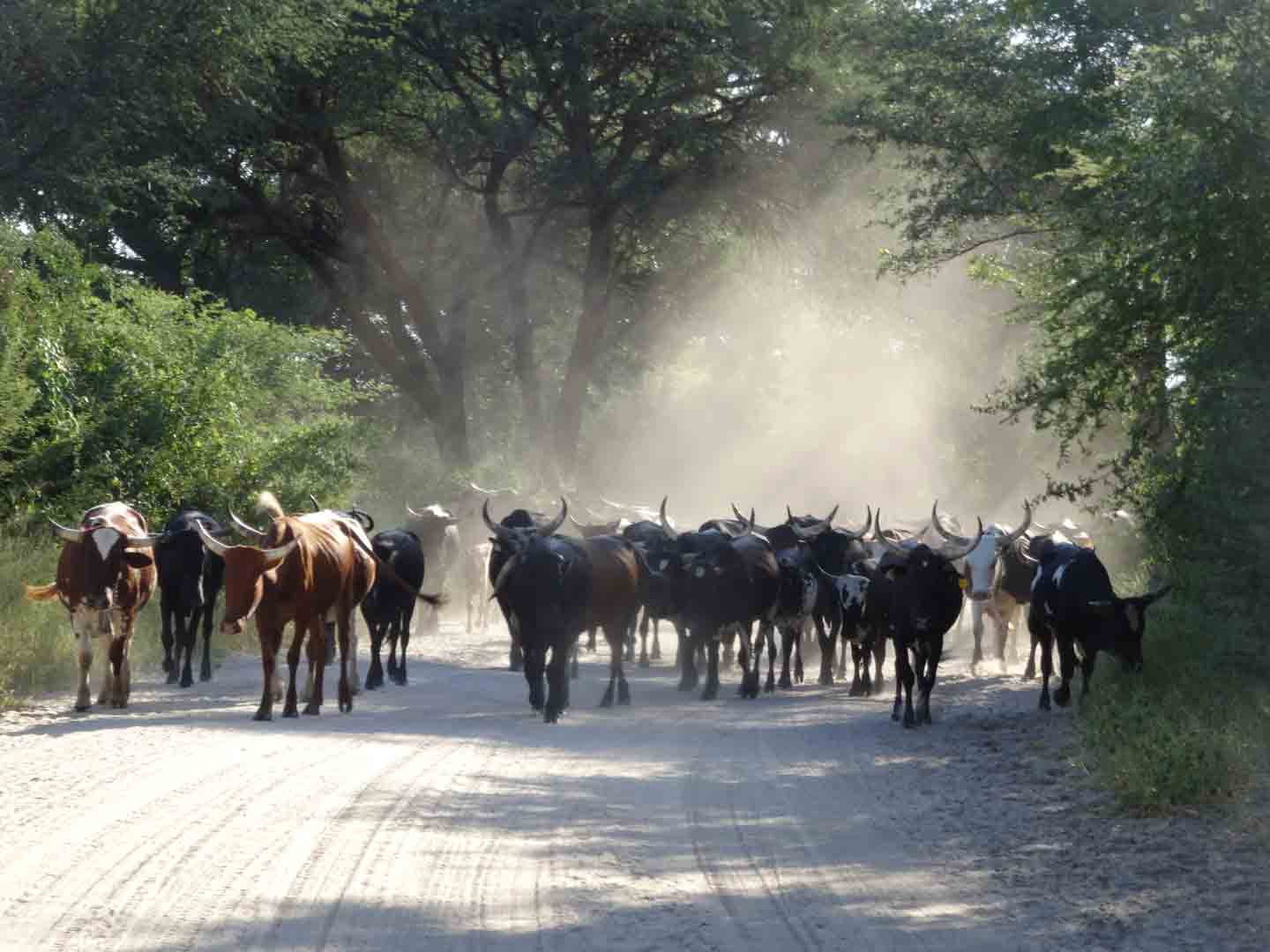
Sofia and Brendan, two Bachelor students of the Wildlife and Ecotourism Department completed the team. Carolin Hulke conducted nearly 20 focus group discussions with smallholder farmers in six rural communities in- and outside conservancies and additional stakeholder interviews in Zambezi region and Windhoek. Her research focusses on the possibility of participating in (global) agricultural value chains and the influences of top-down political initiatives such as community-based natural resource management (CBNRM) on smallholders’ livelihood wellbeing. She is comparing various visions of future developments in the agricultural sector promoted by NGOs, government agencies and parastatal organisations with their materialization on the ground. The questions: “Who participates in value chain dynamics, why are certain groups not participating and how do top-down initiatives shape bottom-up agricultural practices?” will be analysed.
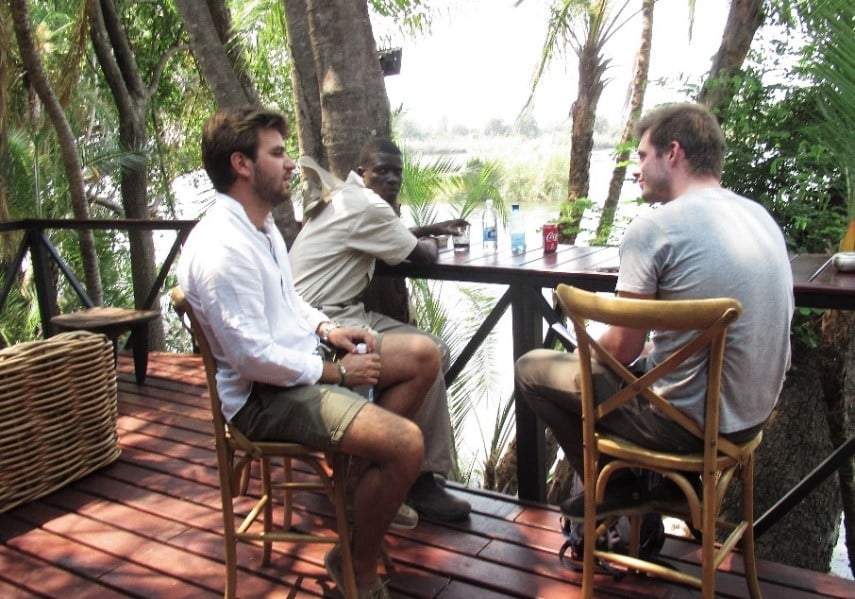
Linus Kalvelage is interested in the effects of the tourism global production network on regional development. He began with a survey of tourism enterprises in the Zambezi region. Special interest is given to the relations between tourism enterprises and CBNRM projects. Almost 40 qualitative interviews were conducted with lodge owners and conservancy enterprise officers. Background interviews with public and private stakeholders provide the necessary context. In combination with additional statistical data, this study will shed light on value capture processes in the tourism industry. Particular attention will be paid to the analysis of the local linkages of high quality tourism enterprises and their contribution to conservancy projects.