Publication: Megaprojects—mega failures? The politics of aspiration

Megaprojects are returning to play a key role in the transformation of rural Africa, despite controversies over their outcome. While some view them as promising tools for a ‘big push’ of modernization, others criticize their multiple adverse effects and risk of failure. Against this backdrop, the paper revisits earlier concepts that have explained megaproject failures by referring to problems of managerial complexity and the logics of state-led development. Taking recent examples from Kenya, the paper argues for a more differentiated approach, considering the symbolic role infrastructure megaprojects play in future-oriented development politics as objects of imagination, vision, and hope. We propose to explain the outcomes of megaprojects by focusing on the ‘politics of aspiration’, which unfold at the intersection between different actors and scales. The paper gives an overview of large infrastructure projects in Kenya and places them in the context of the country´s national development agenda ‘Vision 2030′. It identifies the relevant actors and investigates how controversial aspirations, interests and foreign influences play out on the ground. The paper concludes by describing megaproject development as future making, driven by the mobilizing power of the ‘politics of aspiration’. The analysis of megaprojects should consider not only material outcomes but also their symbolic dimension for desirable futures.

Müller-Mahn, D., Mkutu, K., Kioko, E. (2021): Megaprojects—mega failures? The politics of aspiration and the transformation of rural Kenya. The European Journal of Development Research DOI.
More CRC News

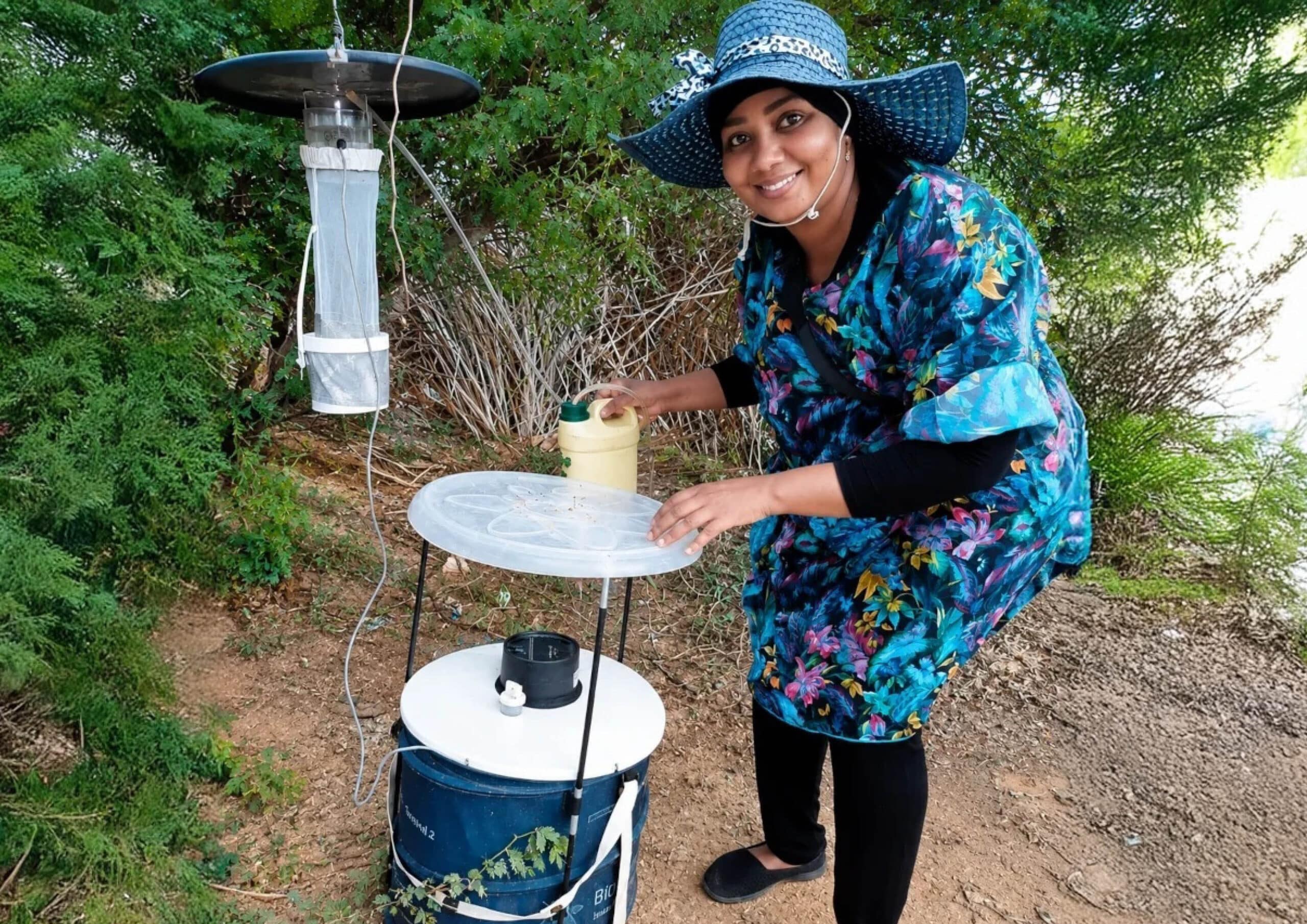
researcher in the field operating a mosquito trap

Spotlight On: Interview with Doctoral Student Tasneem Osman

Tasneem Osman, doctoral researcher in our sub-project B02 “Future Infection”, recently gave an interview about her research on invasive plants, mosquito habitats and disease risks ...
Read More »
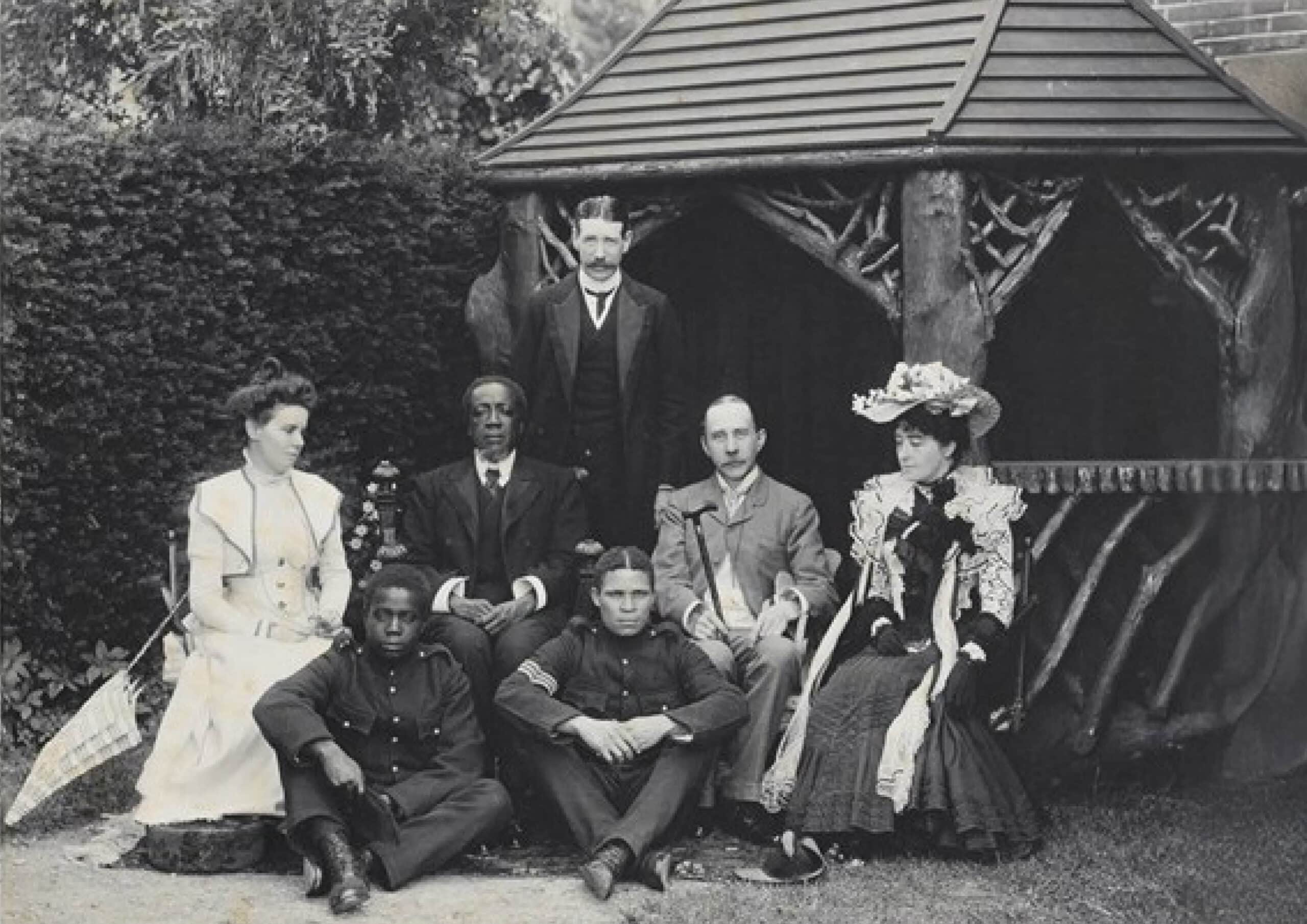
Group photograph taken at Langley Lodge, Oxford. From left to right: unknown; Sikota Ishee Kwandu (aide); Lewanika; Colin Harding (standing); Amba (aide); Philip Lyttelton Gell; Edith Mary Gell. Source: Matlock, Derbyshire Record Office,

King Lewanika’s 1902 Visit to London: African Diplomacy, Sovereignty and Imperial Power

In this study, Jonathan M. Jackson (Project A02 “Past Futures”) examines King Lewanika of Barotseland’s 1902 visit to London for the coronation of King Edward ...
Read More »
picture shows a forest in kenya

Indigenous Rights and Forest Conservation in Kenya

In this paper, Léa Lacan (Project A04 “Future Conservation), Marie Müller-Koné (Project B03 “Violent Futures) and King’asia Mamatia (University of Cologne) examine how indigenous communities ...
Read More »
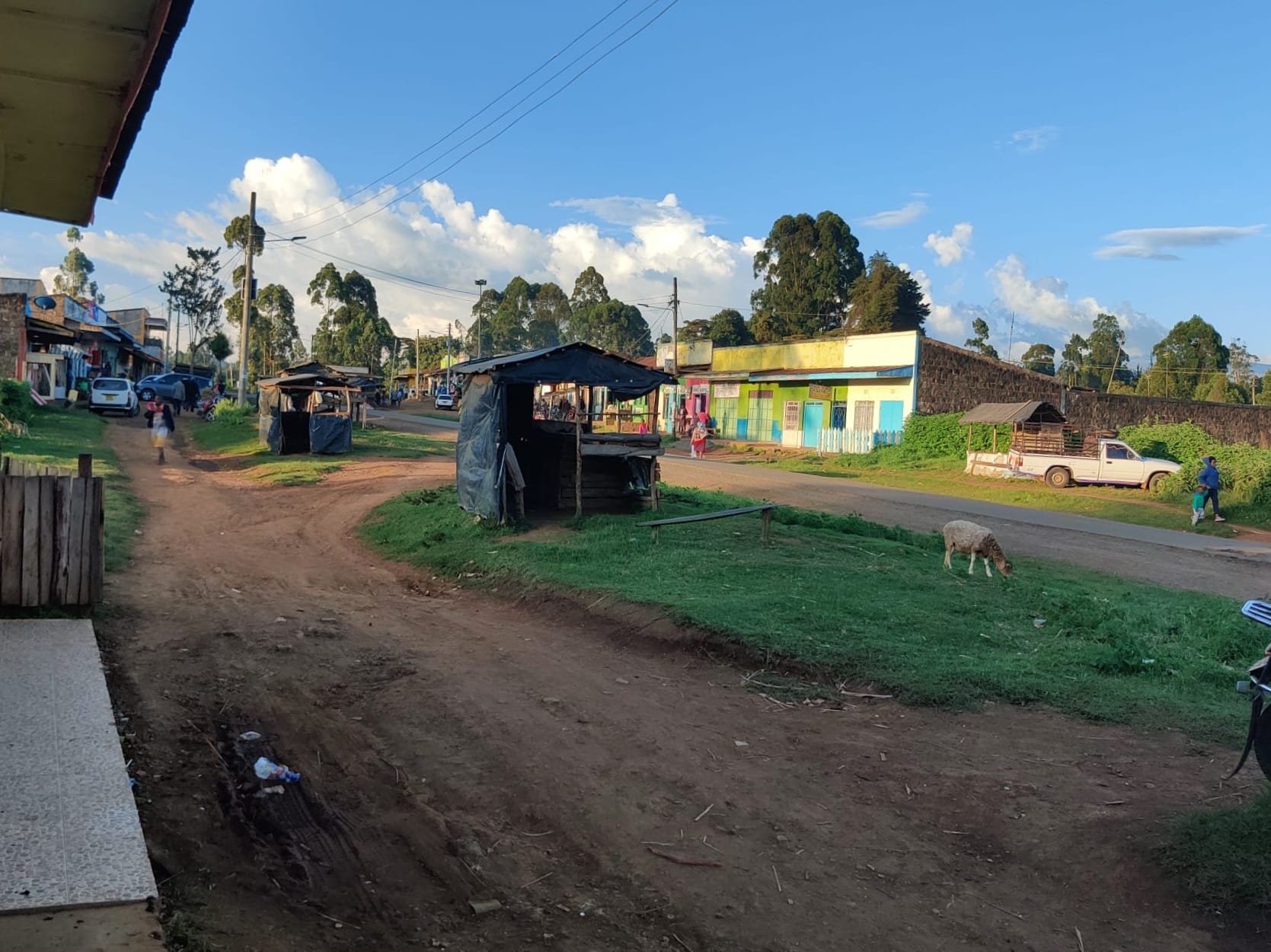
a village in rural eastern Africa

Beyond Economic Growth: Development and Life Satisfaction among Tanzanian Smallholder Farmers

This article by Victoria Luxen, Moses Ndunguru and Peter Dannenberg from our sub-project C01 “Future in Chains” examines how agricultural development affects the life satisfaction ...
Read More »
cover for a web post

Gideon Tups, Richard Mbunda, Moses Ndunguru & Peter Dannenberg Receive Best Paper Award

Gideon Tups, Richard Mbunda, Moses Ndunguru and Peter Dannenberg (Project C01 “Future in Chains”) have recently been awarded the Best Paper Award by the Standort ...
Read More »
Scroll to Top