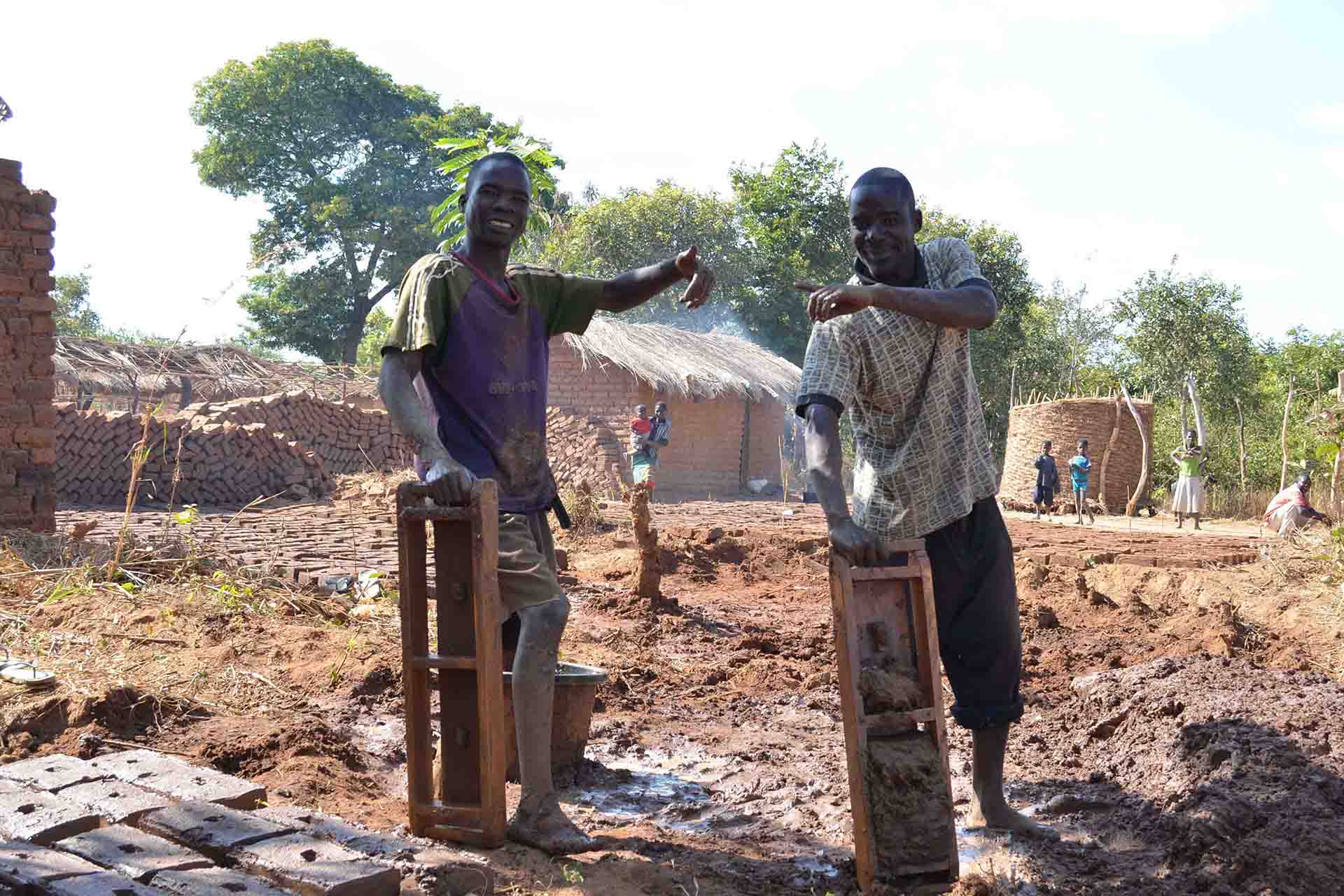
In this article, Jackson Elias Nzira, Martin C. Parlasca and Matin Qaim (Project C08 “Job Futures”) examine labour conditions across different rural economic sectors in four African countries, finding that most adults are self-employed, few have wage jobs, and many wage workers earn below the minimum wage under poor conditions. It highlights significant disparities between sectors and calls for policies to expand decent wage employment and improve rural labor conditions.
An inquiry into labor conditions across key rural sectors in Africa
By Jackson Elias Nzira, Martin C. Parlasca and Matin Qaim
Abstract
While agriculture remains a key source of livelihoods in rural Africa, employment in other economic sectors is gaining in importance. However, details of the labor conditions are under-researched. Here, we examine labor conditions in different sectors of the rural economy using survey data from wage workers and key employers in Kenya, Namibia, Tanzania, and Zambia. We find that close to 60% of the adult population are self-employed in agriculture or small non-agricultural businesses, whereas only 7% are wage-employed. Over 60% of those in wage employment earn below the minimum wage. The main employers are agricultural farms and small private firms in hospitality and other services sectors. Average working conditions remain poor. Payment above the minimum wage, employment stability, and certain social benefits are more widely observed in sectors such as public administration, education, and healthcare, where longer-term or permanent contracts are common. Workers in agriculture and construction predominantly depend on seasonal and temporary contracts. Although individual education levels, training, and experience enhance payment and job quality, those with higher education often report lower job satisfaction. Our findings underscore the need for policies that broaden wage employment opportunities and improve the labor conditions in rural Africa.
Reference
Nzira J. E., Parlasca, M.C, Qaim, M. 2025. An inquiry into labor conditions across key rural sectors in Africa. PLOS ONE 20(12): e0338694. DOI