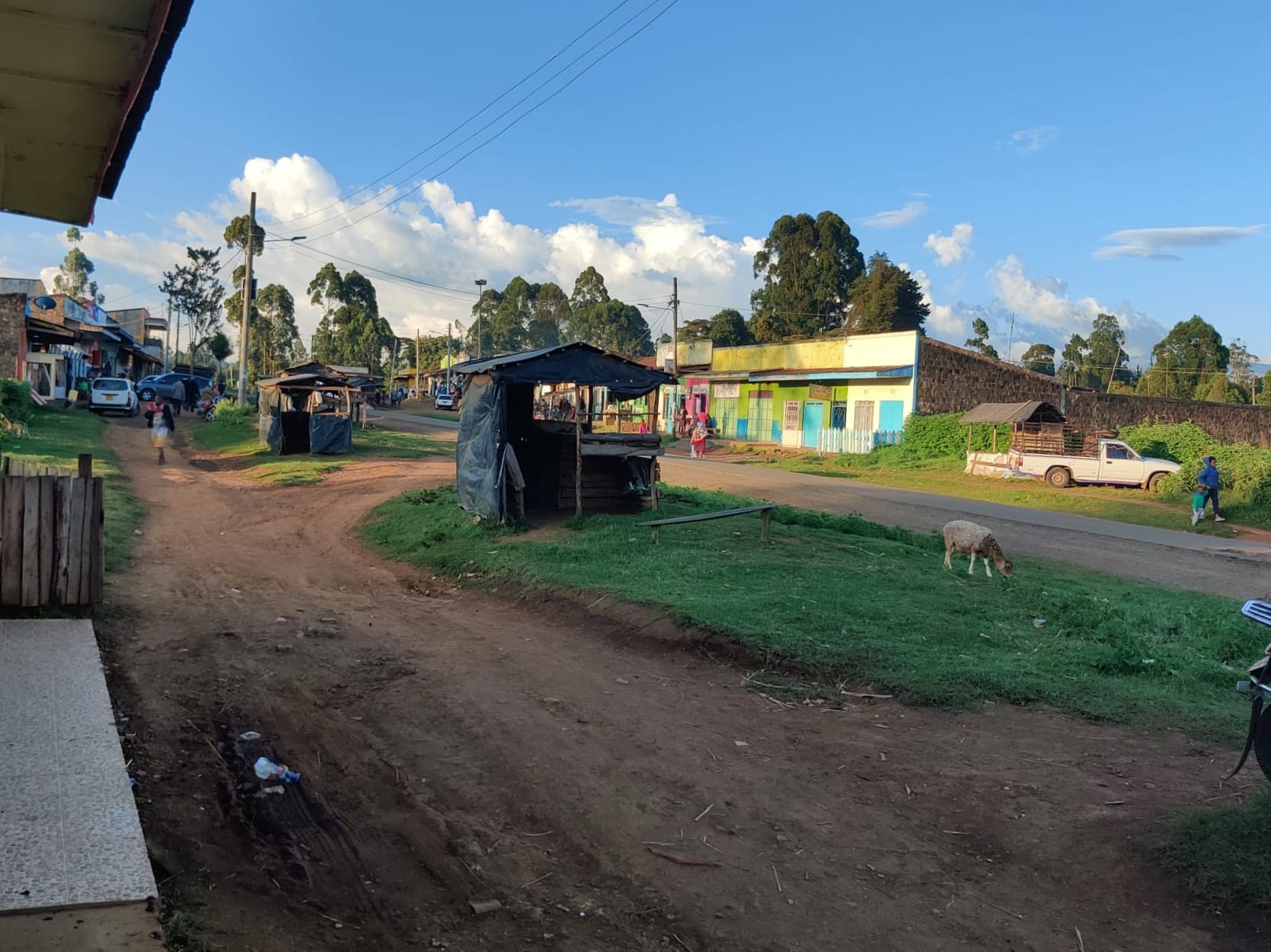
Dr. Emmanuel Nshakira Rukundo from the Institute of Food and Economic Resources and Dr. Christiane Stephan from the Department of Geography, both at the University of Bonn are among the 15 recipients of this year’s Argelander grant special call towards furthering research on the COVID-19 pandemic. Their research seeks to investigate how African countries are reacting to the shocks caused by the pandemic, focusing on the effects of (mis)information on reinforcing preventive measures and access to other healthcare services and needs in rural and urban Kenya, as well as rural Namibia, Tanzania, and Zambia. “The current COVID-19 pandemic elicits a research enthusiasm especially in studying how these communities are dealing with these shocks as a current reality, as well as their interpretation of their future aspirations,” remarked Dr. Rukundo.
The (mis)information dimension of the study addresses the influence of access and impact on people’s perception and response to preventive initiatives by the respective governments. Moreover, access and circulation of misinformation in rural areas is often overlooked and so the research provides an opportunity to gauge the extent of such influences in relation to adherence levels.
Secondly, measures to limit the spread of the coronavirus such as curfews, lockdowns, travel restrictions, and social distancing precautions have disrupted access to other prevalent healthcare services such as maternal healthcare, malaria, tuberculosis, and HIV/AIDS which are still rampant in the continent. In this regard, the study looks into how healthcare systems are responding to other healthcare needs during the current pandemic.
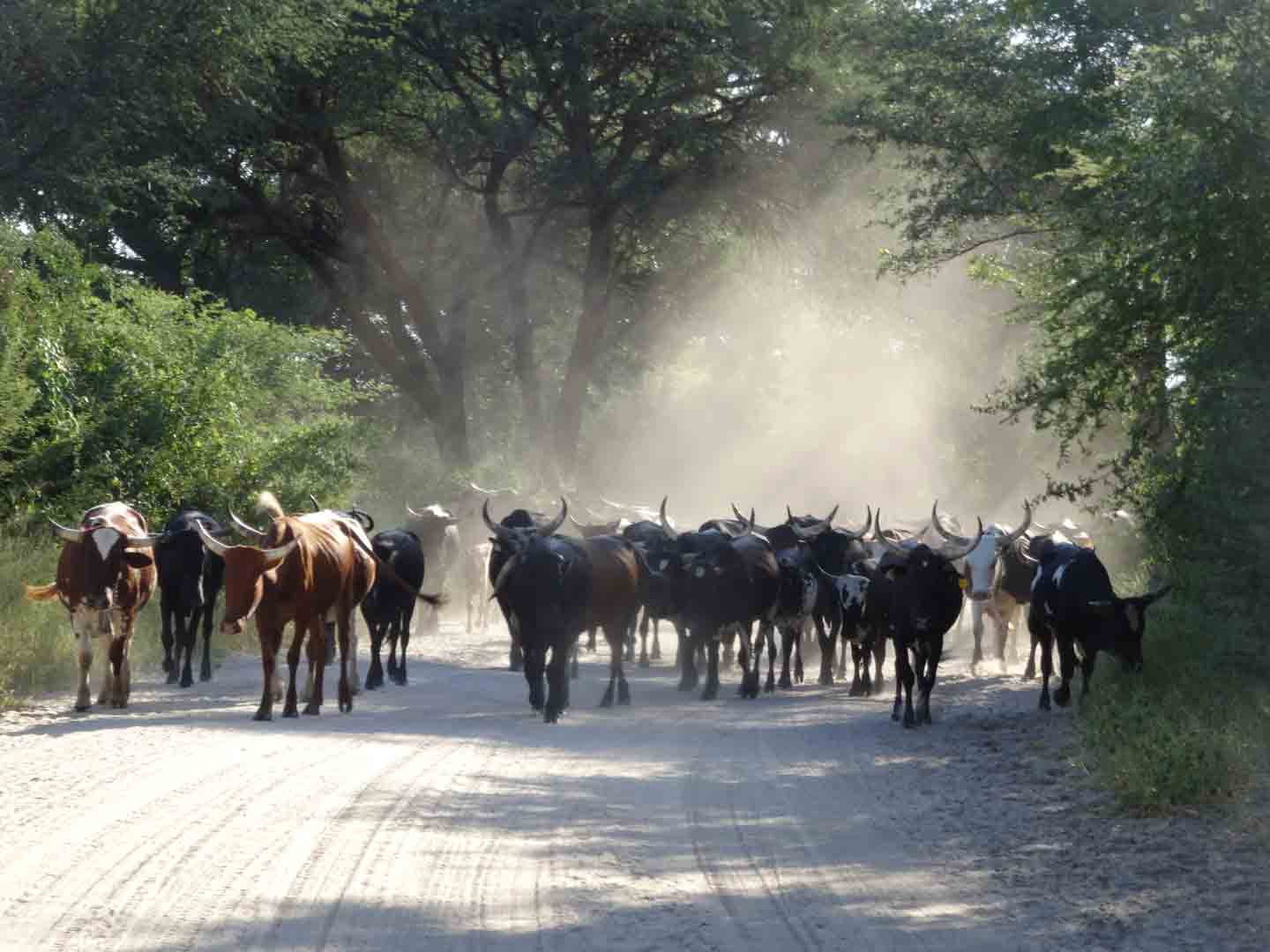
The research study builds on a baseline household survey conducted in the four countries in 2019, with a coverage of 3,000 households and 10,000 individuals, along the LAPSSET transport corridor in Kenya, the Walvis Bay-Ndola-Lubumbashi Development Corridor in Southern Africa region and the Southern Agricultural Corridor, in Tanzania.
The qualitative study led by Dr. Christiane Stephan in collaboration with researchers, Dr. Eric Kioko (Kenyatta University, Kenya) and Dr. Mario Schmidt (University of Cologne), addresses a range of challenges faced and strategies developed to deal with social and economic pressures stimulated by the COVID-19 pandemic in different urban settings in Kenya. “In our approach, we want to specifically look at how the immediate effects of the COVID-19 containment measures in Kenya are affecting specific geographies of inequality and power”. says Dr. Stephan. This approach includes an analysis of the subtle shifts in the spatial and economic constitution of households (and social networks more broadly understood) and relations of care that take place inside of them.
About the Argelander grant
The Argelander grants provide financial support to advanced doctoral students and postdoctoral researchers seeking to grow their research careers. Click here to read more about the grant.