By Alexandra Sandhage-Hofmann (Project A01 Future Carbon Storage), Judith Lenzen (Bundesamt für Naturschutz), Katharina Frindte (University of Bonn), Simon Tuhafeni Angombe (Project A01 Future Carbon Storage) and Wulf Amelung (Project A01 Future Carbon Storage).
Abstract
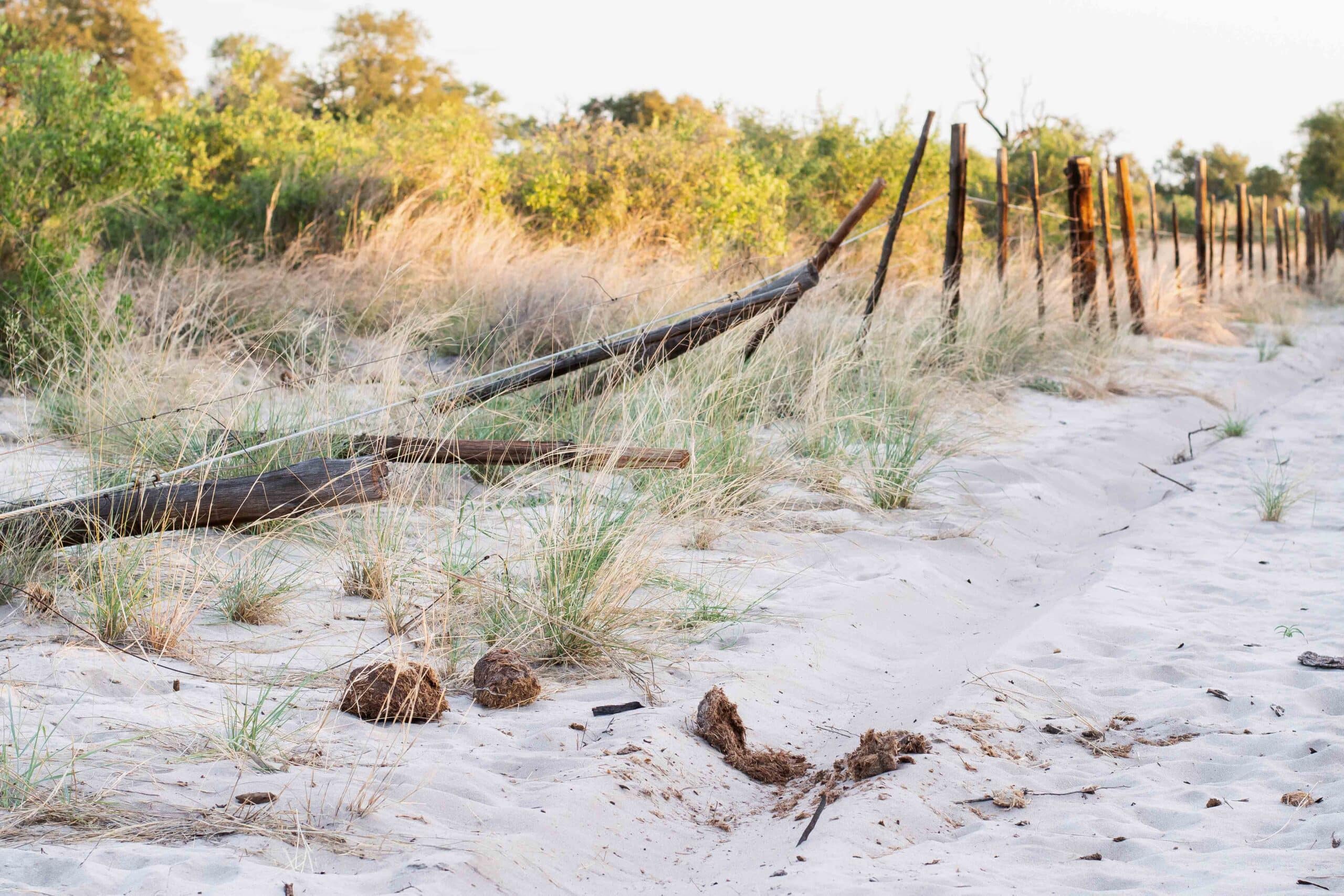
Increasing global temperatures promote heterotrophic soil respiration (Rh) and subsequent carbon losses. In addition, greater variability in precipitation leads to more frequent rainfall following dry periods, resulting in a ’pulse’ of microbial activity and carbon release known as the Birch effect, especially in dry regions. But the effect of wildlife conservation and landuse intensification on Rh and Q10 in savanna systems is almost unknown. We hypothesized that i) the Rh pulse after rewetting (“Birch” effect) contributes notably to carbon losses in semi-arid regions, ii) conservation with increasing elephant numbers leads to higher Rh and lower Q10 values compared to rangeland and cropland, iii) modulated locally by habitat type (subcanopy, grass, bare patch), and iv) explained by microbial community composition. We sampled topsoils (0–10 cm) from different habitat types in high and low elephant density plots, croplands, and rangelands in savanna woodlands of the Zambezi region, Namibia. The samples were incubated at different temperatures (20-40° C) using a Respicond® apparatus. Microbial biomass and associated community composition were analyzed by DNA analysis. Immediately after rewetting, carbon losses were substantial and amounted to 200 g CO2-C day-1ha−1.
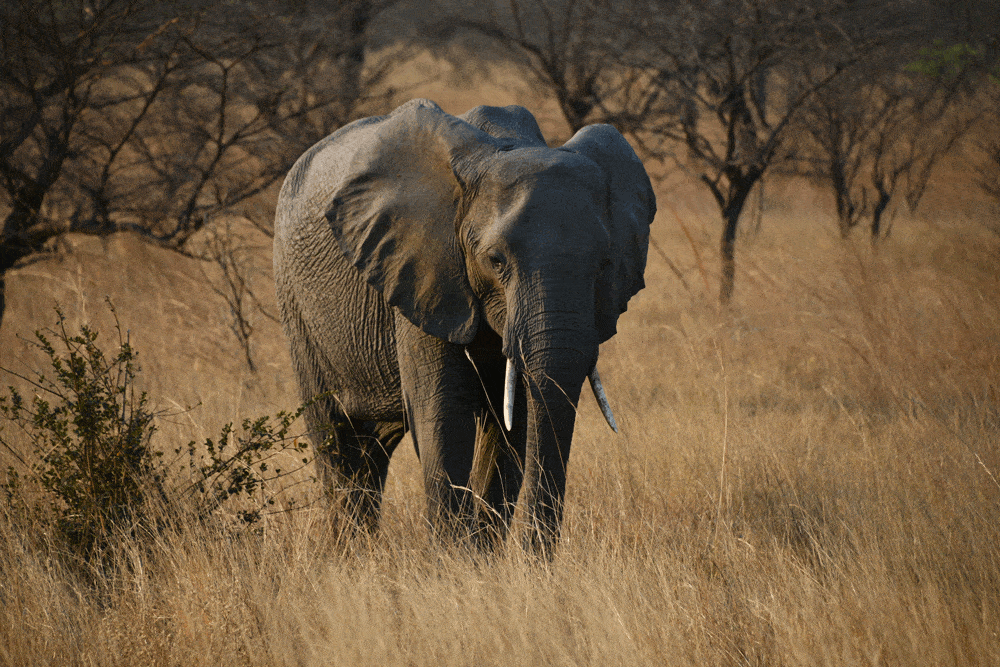
High elephant densities had the highest Rh at 25° C (1.21 µg CO2 g-1h−1) relative to other land uses (mean 0.75 µg CO2 g-1h−1) and significantly higher qPCR copy numbers. Rh was similar under different habitat types. The mean Q10 value during the growing season was comparable under cultivation and high elephant density (∼2.3), exceeding fixed values of land surface models. Warming increased Rh from 0.6 µg CO2 g-1h−1 at 20° C by a mean factor of 2.6 at 40° C, with the highest increase at high elephant densities (factor 3.4). Generalized linear mixed models identified contents of nitrogen, silt, pH, and land use type as main predictor variables, explaining 57 % of Rh variability. We conclude that savanna soil’s vulnerability to climate warming is comparable between conservation and intensification but that carbon losses due to warming will be highest under wildlife conservation with high elephant densities.
Reference
Sandhage-Hofmann, A., Lenzen, Frindte, K., Angombe, A., Amelung, W. 2025. Effects of wildlife conservation and land use intensification on heterotrophic soil respiration and temperature sensitivity (Q10) in semiarid savannas, Geoderma,Volume 454, 2025,117171, ISSN 0016-7061, DOI